The Hidden Cost of Skipping Caulk in Exterior Painting: Up to $800 in Repairs
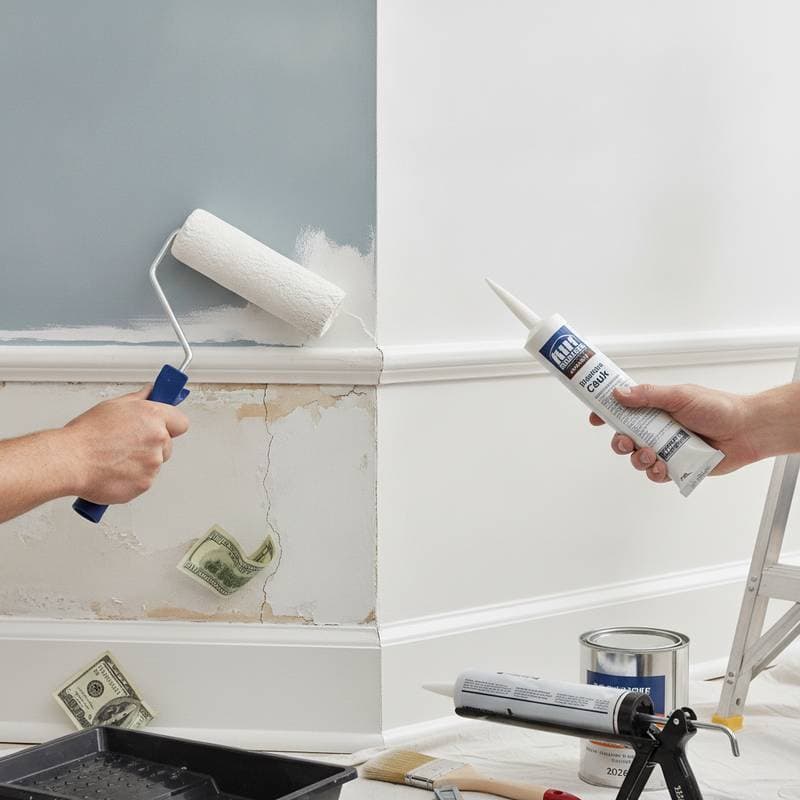
Consider a newly painted exterior that initially appears flawless. The trim aligns precisely, and the color enhances the home's appearance. However, within months, peeling paint or discoloration emerges near joints and seams. This issue often stems from omitted caulking, a critical preparation step that, when skipped, results in substantial repair expenses.
Understanding Caulk's Role in Protection
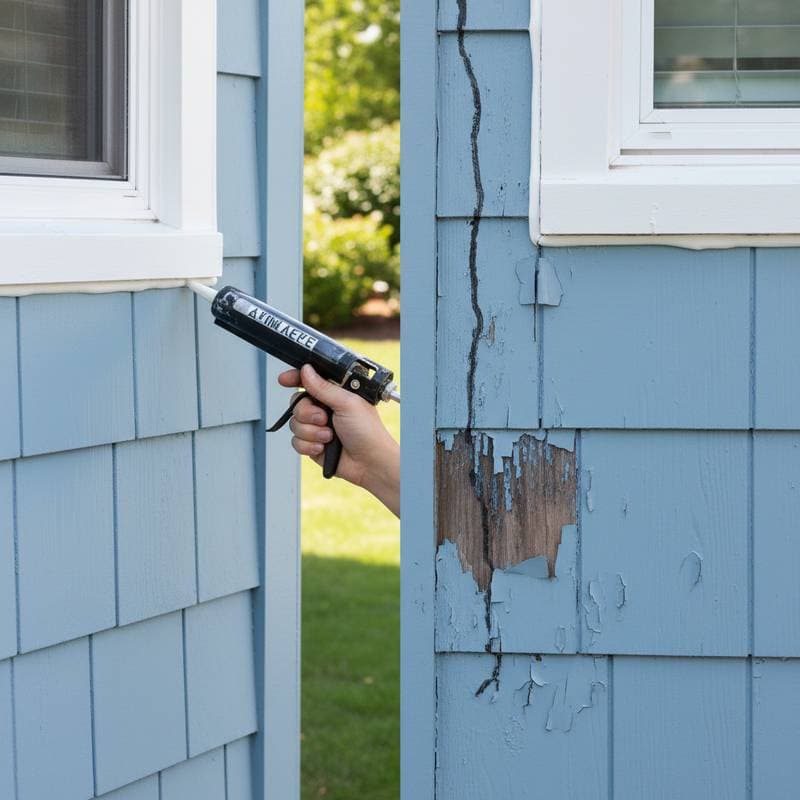
Caulk serves as an essential sealant in exterior painting projects. It fills gaps between siding and trim, around windows and doors, and in areas subject to expansion and contraction from weather variations. By creating a barrier, caulk prevents water and air from penetrating behind the paint layer.
Without this seal, moisture infiltrates the substrate, causing wood fibers to swell and disrupting the paint's adhesion. A single overlooked joint allows sufficient water entry to blister the paint, promote wood decay, or corrode underlying fasteners. When multiple areas suffer, the affected sections require extensive scraping, sanding, priming, and repainting, with average costs approximating $800 for labor and materials on a standard exterior portion.
Common Reasons for Omitting Caulk
Painters frequently bypass caulking due to time constraints or a misunderstanding of its necessity. Some assume that a generous paint application will suffice to close gaps, but paint functions as a surface coating rather than a gap filler. Others select inexpensive latex caulk that deteriorates within one season, permitting water re-entry.
Experiences from job sites reveal this oversight repeatedly. Rushed crews prioritize speed over thoroughness, only to invest additional effort later in correcting flaking edges. The lesson remains clear: shortcuts in exterior work rarely endure environmental stresses.
Steps for Effective Caulking Application
Implementing proper caulking proves straightforward, cost-effective, and yields a refined finish. Tailor the approach to your budget level for optimal results.
Budget-Friendly Option:
- Select a paintable acrylic latex caulk suitable for exterior use.
- Trim the nozzle tip to a narrow opening, roughly the diameter of a pencil lead.
- Apply in manageable segments, smoothing immediately with a moistened finger or dedicated tool.
- Allow full curing time as specified on the product label prior to painting.
Moderate Investment Approach:
- Choose a siliconized acrylic or urethane-based caulk for enhanced durability.
- Apply painter's tape along edges to achieve precise lines.
- Prime any exposed wood adjacent to joints to promote better adhesion.
Premium Solution:
- Opt for elastomeric caulk that accommodates movement and lasts up to ten years.
- Engage a professional to inspect and seal all seams, including concealed areas beneath horizontal trim where moisture accumulates.
Enhancing Aesthetics and Functionality with Caulk
Beyond protection, caulking contributes to a polished visual outcome. A neatly applied bead creates clean transitions that elevate the overall appearance of trim work. This detail ensures colors appear vibrant, as it eliminates distracting shadows in board separations.
For seamless integration, consider tintable caulk varieties that match the painted surface. Even if minor cracks develop over time, they remain inconspicuous, preserving the professional look.
Detailed Breakdown of Potential Expenses
Failing to caulk leads to escalating costs in several areas:
- Addressing Paint Deterioration: Removing loose paint, sanding surfaces, and reapplying coats demands considerable time and effort.
- Repairing Wood Damage: Trapped moisture weakens trim boards, necessitating replacements and additional carpentry, which can exceed initial labor expenses threefold.
- Remediating Mold Growth: Water intrusion fosters mold, requiring specialized cleaners and surface refinishing that accumulate significant charges.
- Mitigating Energy Inefficiency: Unsealed gaps permit air leakage, increasing utility costs for heating and cooling.
These factors combine to transform a minor omission into an $800 or greater financial burden.
Practical Techniques for Flawless Execution
Insights from extensive field and production experience provide reliable methods applicable to homeowners:
- Verify Coverage with Light: Post-application, direct a flashlight at an angle along the joint to detect irregularities or voids.
- Control Environmental Conditions: Apply caulk to dry surfaces in moderate temperatures; extremes hinder adhesion or curing.
- Maintain Cleanliness: Keep a damp cloth handy to remove excess material promptly, preventing hardened residues.
- Test Paint Compatibility: After curing, apply paint to a test area to ensure uniform sheen and color.
These practices streamline the process and deliver noticeable improvements.
Long-Term Benefits of Proactive Preparation
From a business perspective, thorough preparation safeguards investments. Contractors avoid callbacks and reputational harm by prioritizing caulking, while homeowners prevent premature repainting. This diligence extends to broader applications, such as sealing product edges in manufacturing to withstand transport and environmental shifts.
Maintaining Your Sealed Exterior
With proper caulking and painting complete, upkeep requires minimal effort. Conduct an annual inspection of joints for fine cracks or separations, addressing them promptly with touch-up applications. In climates with significant temperature fluctuations, flexible caulk formulations adapt without failure, sustaining the seal across seasons.
Effective preparation remains unobtrusive yet evident in the enduring quality of lines and surfaces. Invest in it to enjoy lasting satisfaction with your home's exterior.