Why Satin Finish Outperforms Matte in 2026 Homes
Paint finish selections shape both the appearance and longevity of interior surfaces. Satin finishes now outsell matte options by a ratio of three to one among homeowners. This preference stems from practical needs and updated design priorities rather than fleeting style changes.
Distinctions Between Satin and Matte Finishes
Matte paint creates a nonreflective surface that conceals minor wall flaws. It delivers a soft texture suited to spaces with light use. Satin paint introduces a low level of sheen that reflects light evenly. The finish feels smooth and withstands regular cleaning without losing color.
Satin occupies a middle position on the sheen scale. It avoids the high gloss of enamel surfaces while adding subtle depth. Homeowners select this balance when they require both visual refinement and everyday resilience.
Factors Behind Satin Preference
Several practical advantages explain the shift toward satin. These qualities align with current household demands for surfaces that perform well under daily conditions.
Durability and Cleaning Ease
Satin resists scuffs, moisture, and fingerprints more effectively than matte. Households with children or pets find that mild soap and water remove marks without damaging the surface. Matte finishes often require more frequent repainting after scrubbing.
Satin also maintains color stability over extended periods. This trait proves valuable in kitchens, hallways, and bathrooms where walls face repeated contact.
Visual Balance and Light Interaction
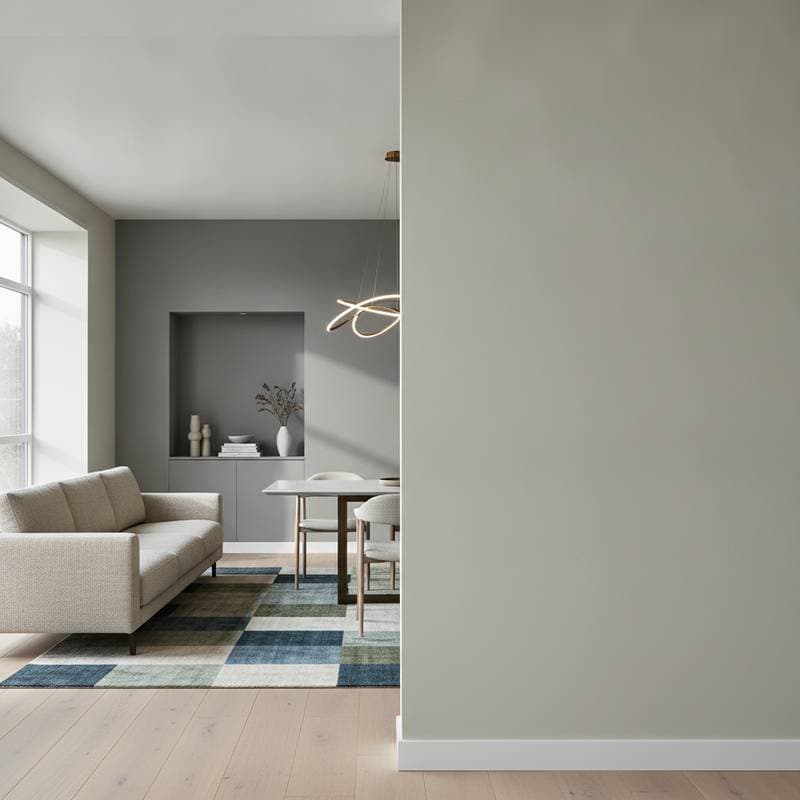
Matte surfaces can appear flat in rooms with restricted daylight. Satin introduces gentle luminosity that accentuates color without creating glare. The effect highlights trim details, molding, and textured walls such as shiplap or wainscoting.
Designers apply satin across both modern and classic room styles. The finish enhances architectural features while preserving a cohesive appearance.
Room Versatility
Satin performs reliably on walls, ceilings, and cabinetry throughout most home areas. It creates consistent transitions between rooms. Matte finishes often need selective placement to avoid wear in busy zones.
Lighting Compatibility
LED fixtures and recessed lighting now appear in many homes. Satin distributes this illumination evenly and reduces shadow formation. Matte surfaces absorb light and can make corners seem darker.
Cost and Long Term Value
Satin paint carries a modest price premium. A gallon typically ranges from 35 to 55 dollars compared with 30 to 45 dollars for matte equivalents. Reduced touch up frequency and longer surface life offset the initial difference for most owners.
Professional application may involve extra care to prevent brush marks. The resulting durability still yields lower overall maintenance expenses across several years.
Recommended Applications
Homeowners achieve strong results with satin in these locations:
- Hallways and entry areas that experience frequent traffic
- Kitchens and bathrooms where moisture resistance matters
- Living rooms that benefit from subtle warmth
- Trim and doors that require clear definition
Selecting the Appropriate Finish
Assess traffic levels and lighting conditions in each room before deciding. Satin suits the majority of living spaces when durability and easy upkeep rank as priorities. Matte remains suitable for low use bedrooms where a completely flat appearance is desired.
Partnering With an Experienced Painter
A qualified painter evaluates wall conditions and recommends surface preparation steps. Proper priming and application technique ensure even sheen and maximum longevity. Owners who follow this guidance obtain finishes that retain quality for multiple years.
Making the Final Decision
Satin delivers a practical combination of appearance and performance that matches 2026 household expectations. The finish supports brighter interiors, simpler cleaning routines, and reduced repainting cycles across varied room types.