Why 220-Grit Sanding Transforms Paint Results
Smooth, flawless paint finishes depend on more than just quality paint. The secret lies in the surface preparation. One of the most powerful tools for achieving professional results is 220-grit sandpaper. This fine abrasive level helps create a surface that bonds evenly with paint. It produces a sleek, durable finish that looks and feels refined.
Understanding why 220-grit sanding matters can make a major difference in the outcome of any painting project. Projects may involve walls, cabinets, or furniture.
The Role of 220-Grit Sanding in Surface Preparation
Sanding prepares a surface by smoothing imperfections. It removes minor roughness that can cause uneven paint coverage. While coarse grits remove heavy texture or old finishes, fine grits like 220 refine the surface to a near-polished state. This level of sanding is particularly effective before applying primer or between coats of paint. It helps eliminate small bumps and dust nibs. The result is a finish that feels silky to the touch and reflects light evenly.
How 220-Grit Sanding Affects Paint Adhesion
A perfectly smooth surface may look appealing. Paint needs a slight texture to grip effectively. Sanding with 220 grit creates microscopic abrasions. These allow paint or primer to adhere securely without visible scratches. The fine grooves enhance bonding strength. This reduces the risk of peeling or flaking over time. For cabinets or trim, where surfaces often endure wear, this step ensures the coating holds firm and maintains its appearance longer.
Ideal Surfaces for 220-Grit Sanding
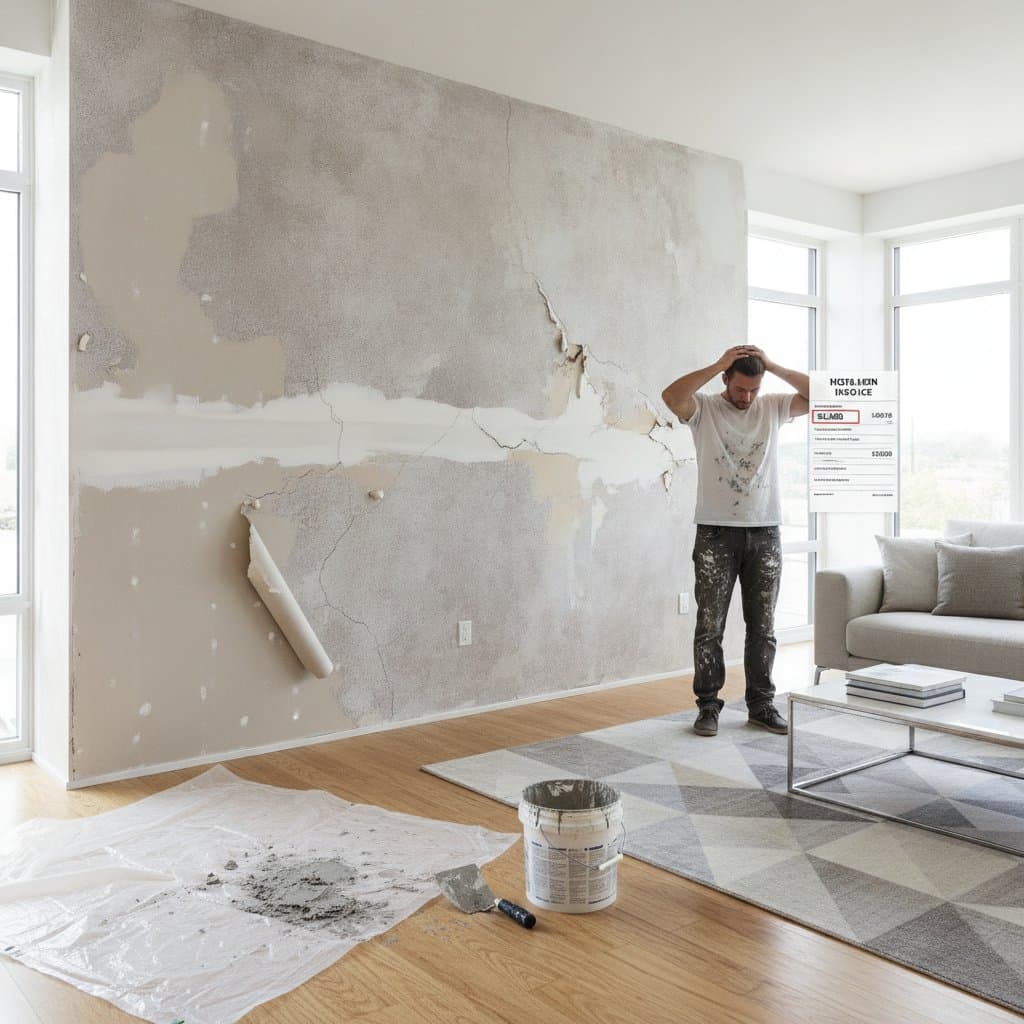
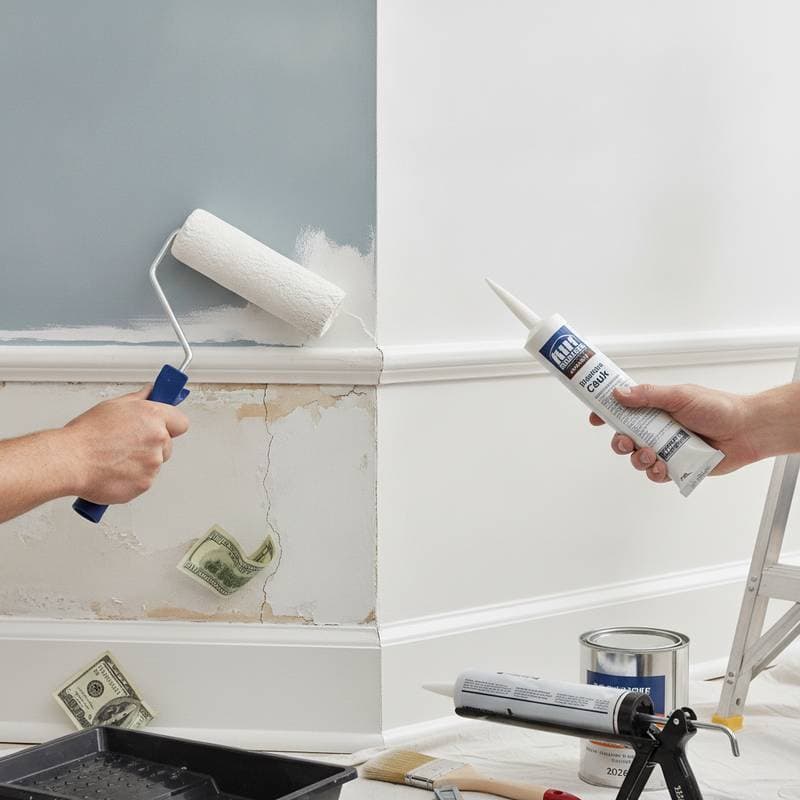
This grit level works best on surfaces that are already fairly smooth. Examples include wood that has been planed or pre-sanded with a coarser grit. Previously painted surfaces require a light scuff before repainting. Drywall patches or spackled areas need blending before priming. Furniture pieces being refinished benefit from a professional-grade coating.
Using 220 grit on these materials helps achieve uniformity. It prepares them for either primer or the final coat.
Step-by-Step Process for Using 220-Grit Sandpaper
- Clean the surface to remove dust, grease, or loose debris that could clog the sandpaper.
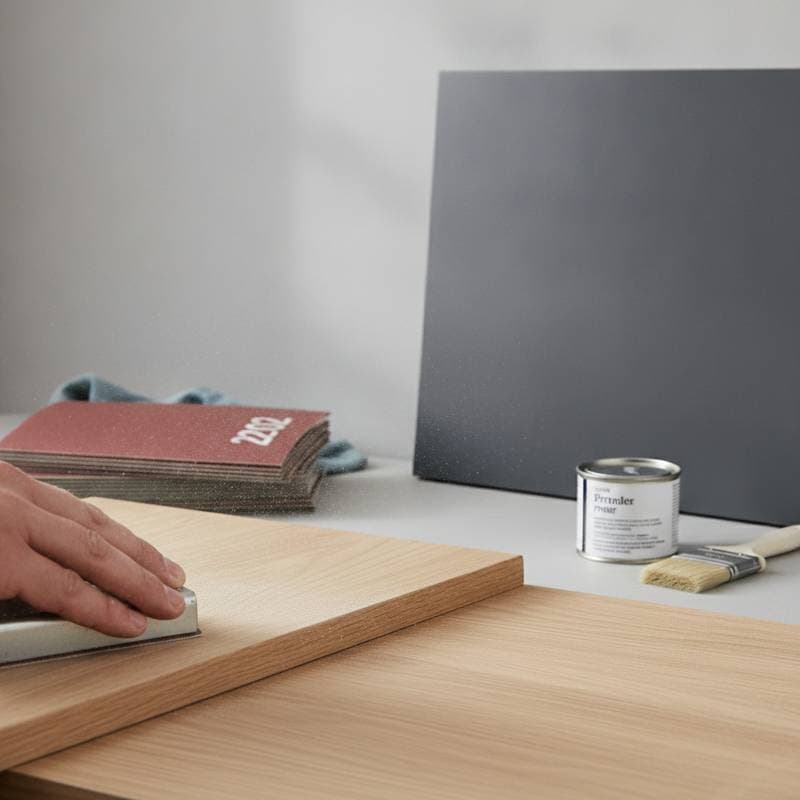
- Sand evenly using light pressure. Move in consistent strokes that follow the grain for wood or in circular motions for walls.
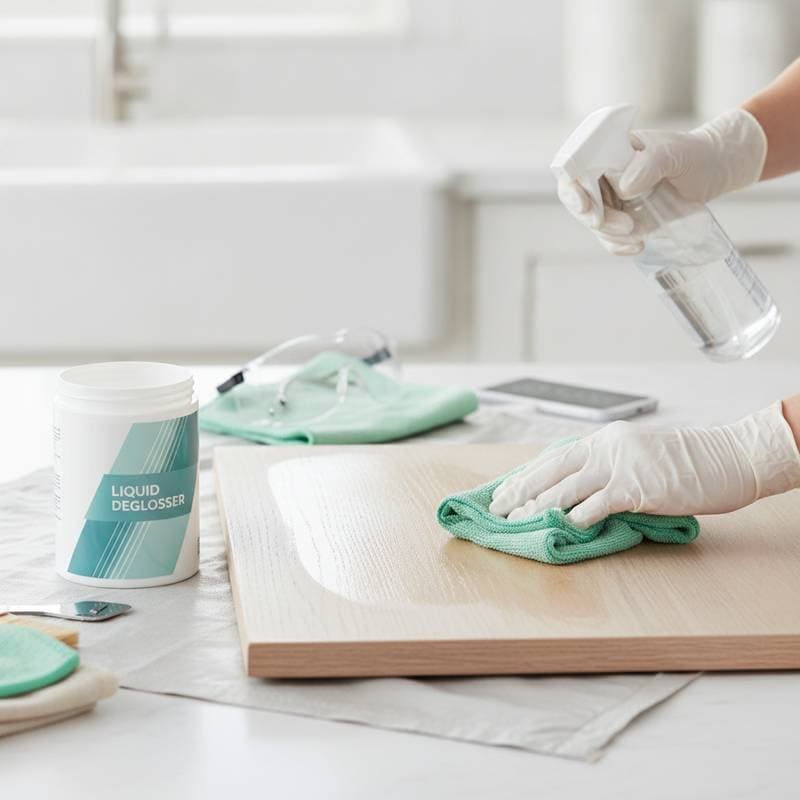
- Wipe away dust with a tack cloth or damp microfiber cloth. This prevents residue from affecting the paint.
- Inspect and repeat if necessary, especially if applying multiple coats. Sand lightly between coats to maintain a consistent texture.
This simple routine refines the surface. It ensures each new layer of paint adheres smoothly.
Quality Differences Among Grit Levels
| Grit Level | Typical Use | Surface Result | Paint Impact |
|---|---|---|---|
| 80 - 120 | Stripping old paint or rough shaping | Coarse | Removes heavy texture but may leave deep scratches |
| 150 - 180 | General smoothing before priming | Moderately smooth | Good for initial prep on bare materials |
| 220 | Final sanding before painting | Very smooth | Creates ideal texture for paint adhesion and sheen |
| 320+ | Ultra-fine finishing or polishing | Glossy | Best for high-gloss or specialty finishes |
Making Smart Decisions for Paint Preparation
Choose 220 grit when surfaces are ready for final preparation. This choice supports even coverage and long-term durability.
Frequently Asked Questions
1. Why is 220-grit sandpaper preferred before painting?
It creates a smooth surface with enough texture for paint to bond securely. This produces a more even and durable finish.
2. Should I sand between paint coats with 220 grit?
Yes. Lightly sanding between coats removes small dust particles. It helps each layer adhere better. The result is a uniform surface.
3. Can I use 220 grit on all materials?
It works best on wood, drywall, and previously painted surfaces. For metal or glossy finishes, use specialized abrasives designed for those materials.
4. Is hand sanding or power sanding better with 220 grit?
Both work well. Hand sanding offers control on detailed surfaces. Power sanding saves time on larger areas.
5. How do I prevent over-sanding with 220 grit?
Use gentle pressure. Keep the sandpaper clean. Stop once the surface feels smooth to the touch. Over-sanding can polish the surface too much. This reduces paint adhesion.
6. When should I replace 220-grit sandpaper?
Replace it when it feels smooth or clogged. Worn paper stops cutting efficiently. It can burnish the surface instead of refining it.