2026 Paint Codes Require TSP-Free Surface Cleaners
New paint prep regulations require TSP-free cleaners for all surface preparation work. These rules eliminate phosphates that harm waterways. The change promotes safer homes and cleaner runoff while maintaining effective cleaning power.
Professionals and DIY painters must adapt their methods. Traditional trisodium phosphate has been common for cutting grease and de-glossing walls. Now, alternatives provide similar results without environmental drawbacks.
Defining TSP-Free Cleaners
TSP-free cleaners rely on compounds such as sodium carbonate, surfactants, or plant-derived degreasers. These ingredients remove dirt and oils without phosphates. Some formulas incorporate mild abrasives or buffering agents for residue removal on various surfaces.
Effective TSP-free cleaners meet several criteria. They remove oil, mildew, and grime efficiently. They rinse clean without leaving film. They remain safe for drains and septic systems. They work on drywall, wood, and masonry.
Shoppers should seek labels marked phosphate-free, biodegradable, or eco-certified. Such markings confirm compliance with updated paint codes.
Preparation Steps with TSP-Free Cleaners
Switching products requires minor technique adjustments. The following process supports flawless finishes.
- Dust first with a dry microfiber cloth or vacuum brush. This step removes loose particles before wet cleaning.
- Mix the cleaner according to label instructions. Proper concentration prevents dulling or residue.
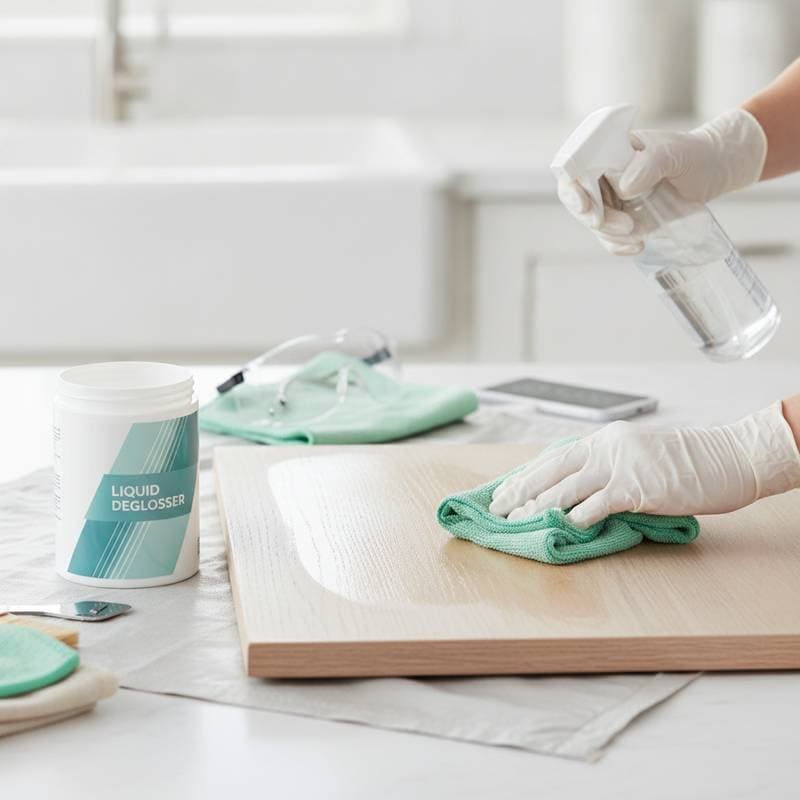
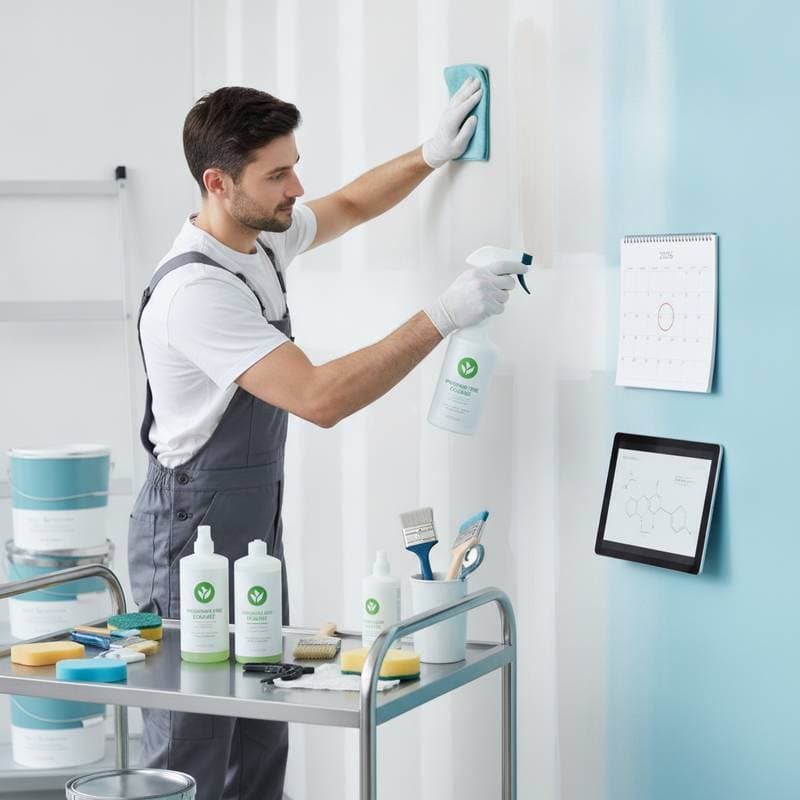
- Apply the solution evenly using a sponge, mop, or spray bottle. Avoid excess liquid near cracks or outlets.
- Scrub gently, with focus on high-touch areas such as switches, handles, and baseboards.
- Rinse thoroughly with clean water. Residue-free surfaces promote better paint adhesion.
- Dry surfaces completely with air drying or lint-free towels before priming.
Test the cleaner on a hidden area first. This confirms compatibility and checks for any adverse effects.
Impact on Paint Performance
Clean surfaces form the basis of durable paint jobs. Advanced primers fail to bond over oily or soapy residue. TSP-free cleaners preserve adhesion while protecting the environment.
Surface preparation determines the final appearance. Missed spots become visible under bright lighting. The new standards improve consistency for both professionals and homeowners.
Practical Outcomes in Various Settings
Design projects demonstrate how fresh walls enhance spaces. Streak-free finishes originate from thorough preparation. Studio conditions highlight any remaining imperfections.
Phosphate-free cleaners produce less haze and faster drying times. Primer coverage becomes smoother and more consistent. These benefits extend to residential projects such as nurseries, offices, and exterior siding.
Advantages for Contractors and Clients
Contractors must adopt compliant practices. Approved products prevent penalties during inspections. They also build a reputation for responsible workmanship.
Clients appreciate eco-conscious approaches. Such methods indicate professionalism and forward thinking. Opportunities arise with green builders and suppliers.
Contractors benefit from early adoption. Stock compliant cleaners, update checklists, and train teams now. Established systems provide advantages over later adopters.
Maintenance After Painting
Walls with new coatings require simple upkeep. Use mild phosphate-free cleaners for routine cleaning. Avoid harsh chemicals that might damage finishes.
Future repainting benefits from prior compliance. Walls already meet preparation standards. This approach saves time and reinforces good practices.
Strong foundations support great results in painting projects. Clean, safe, residue-free surfaces deliver lasting color and quality. Both DIY enthusiasts and contractors gain from these improved methods.