Why Professional Sanding Costs $800 More Than DIY
The Essential Role of Sanding in Professional Painting
When a contractor provides a quote for a painting project, the line item for sanding often stands out, adding $800 or more to the total. Many homeowners question this expense, assuming sanding requires only basic effort. In reality, sanding forms the critical foundation for a durable paint finish. This process distinguishes professional results from those that deteriorate quickly, ensuring surfaces remain smooth and attractive for years.
Professional sanding demands precision to prepare walls, trim, and cabinets effectively. Without proper preparation, paint fails to adhere, leading to peeling, cracking, or uneven coverage. The additional cost reflects investment in techniques and tools that deliver lasting quality.
Beyond Basic Smoothing: The Core Purpose of Sanding
Sanding removes imperfections, creates a uniform texture, and promotes strong paint adhesion. Professionals approach this task systematically, addressing every surface variation. This preparation prevents common issues such as bubbling or flaking that arise from inadequate groundwork.
The process begins with assessing the existing surface for gloss, residue, or damage. Technicians select appropriate abrasives based on material type, whether drywall, wood, or plaster. Each step contributes to a base that supports multiple coats of paint without compromise.
Specialized Equipment and Its Impact on Quality
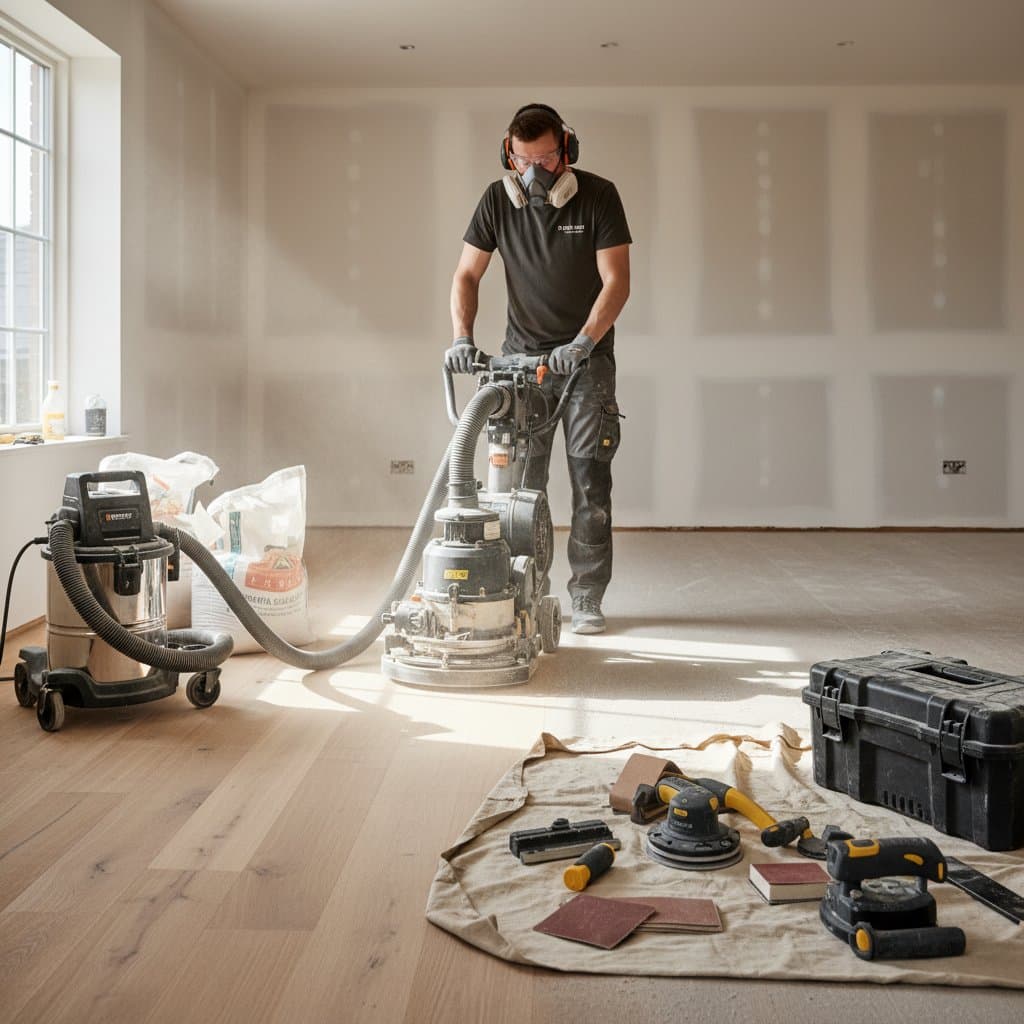
Professionals rely on advanced tools that exceed consumer-grade options. Dustless sanding systems minimize airborne particles, protecting health and property. Orbital sanders with variable speeds adapt to delicate areas, while HEPA vacuums capture microscopic dust for a cleaner environment.
Consider the following components of a professional setup:
- HEPA filtration units that trap 99.97 percent of particles as small as 0.3 microns
- Variable-speed orbital sanders designed for controlled pressure on varied surfaces
- Progressive grit sequences, starting with 80-grit for rough areas and finishing at 220-grit for smoothness
- Protective equipment, including respirators and coveralls, to ensure crew safety
- Precision tools for edges, such as detail sanders that avoid overworking trim or corners
These investments yield consistent results. Paint applied to such surfaces bonds securely, resists wear, and maintains an even sheen under various lighting conditions.
The Expertise That Prevents Costly Errors
Experience guides professionals in applying the right pressure and duration. Over-sanding risks damaging substrates, such as exposing wood grain or creating dips in drywall. Under-sanding leaves ridges that become visible after painting, especially under direct light.
Skilled technicians evaluate surfaces through tactile feedback and visual inspection. They identify subtle inconsistencies, like faint scratches or adhesive remnants, and address them precisely. This knowledge also enables seamless integration of repairs, ensuring patched areas blend invisibly with the original surface.
Comprehensive Preparation Surrounding Sanding
The $800 allocation encompasses more than the sanding itself. Initial surface testing detects contaminants that could interfere with the process, such as grease or previous coatings. Deglossers or cleaners remove these barriers, followed by a drying period to achieve optimal conditions.
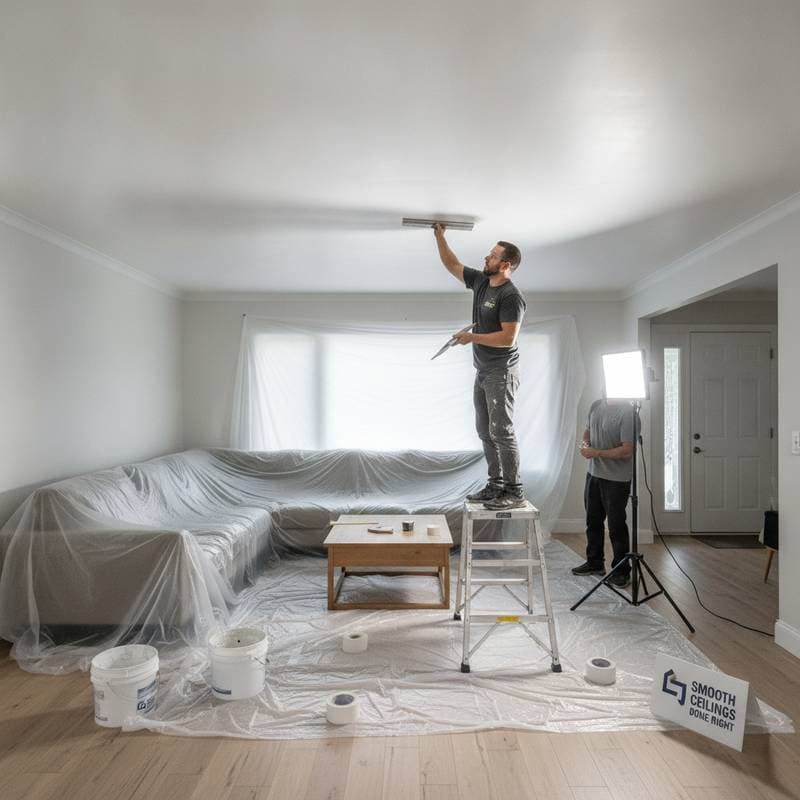
Masking protects adjacent areas from dust infiltration, covering outlets, fixtures, and furnishings meticulously. Post-sanding, thorough vacuuming and tack cloths eliminate residue, creating a pristine canvas for priming. This full sequence guarantees paint integrity, avoiding defects like fisheyes or poor leveling.
Scaling Costs Across Project Sizes
Sanding expenses vary with project demands. Understanding these tiers helps homeowners align choices with budgets.
For low-budget or DIY efforts:
- Rent basic power sanders and purchase assorted grits for $50 to $100.
- Focus on small areas like furniture or single walls, using a shop vacuum for dust management.
- Accept potential cleanup challenges without integrated filtration.
Mid-range services suit moderate projects:
- Professionals charge $200 to $500 for rooms with fair surface conditions.
- Portable dustless tools expedite work while delivering reliable smoothness.
- Ideal for apartments or targeted renovations where speed balances cost.
Premium full-service options justify the $800 investment:
- Large homes or intricate surfaces require extensive time and heavy-duty equipment.
- Full crews handle rough textures or vintage materials with custom approaches.
- Comprehensive cleanup follows, resulting in showroom-quality finishes.
Long-Term Benefits of Professional Preparation
Initial savings from skimping on sanding often lead to premature wear. Inexpensive preparations result in paint that chips easily, absorbs stains, or loses luster within months. Professionally sanded surfaces withstand daily use, remaining vibrant and easy to clean.
This durability translates to fewer touch-ups and extended intervals between repaints. Homeowners avoid the disruption and expense of early corrections, preserving both aesthetics and property value.
Insights from High-Stakes Applications
Lessons from production environments highlight sanding's importance. In settings with intense lighting, minor imperfections become prominent, demanding exacting standards. Crews refine techniques to achieve uniformity that withstands scrutiny, applying the same rigor to residential work.
Efficient methods, such as vacuum-integrated sanders and staged grit applications, accelerate preparation without quality loss. These practices ensure projects complete on schedule, benefiting both professionals and clients.
Business Perspective on Pricing Strategy
Contractors structure fees to encompass operational realities beyond labor. Quality sanding minimizes rework, reducing liability and enhancing reputation. Funds support equipment upkeep, supply replenishment, and waste disposal, sustaining reliable service.
This approach fosters ongoing training and insurance coverage, ensuring teams deliver expertise consistently. Clients receive not only immediate results but also assurance of dependable future support.
Maintaining Your Investment Post-Project
With professional sanding in place, upkeep proves straightforward. Regular dusting with a soft cloth preserves the finish, while mild soap solutions handle occasional marks. Harsh abrasives or solvents damage the surface, so opt for gentle methods.
Future painting benefits from the established smooth base, allowing new coats to apply evenly. This foundation elevates any home improvement, creating enduring elegance in living spaces.