Why Buyers Insist on Popcorn Ceiling Removal
Popcorn ceilings once represented a practical luxury. They concealed drywall imperfections, improved acoustics, and allowed builders to finish surfaces quickly. Today the same texture signals an outdated home to most buyers. Sellers increasingly remove the texture before listing because it affects perceived value and showing speed.
The Shift in Buyer Perception
Modern lighting and open color palettes highlight ceiling texture in ways earlier designs did not. Buyers notice the surface immediately upon entering a room. The texture creates uneven shadows, reduces apparent height, and photographs poorly under listing lights. Smooth ceilings, by contrast, reflect light evenly and make spaces appear larger and brighter in photographs.
When scrolling online listings, buyers associate smooth ceilings with recent care. Textured ceilings prompt assumptions about pending work and lower offers as a result.
Cost Breakdown for One Room
Professional removal for an average bedroom or office typically falls near 800 dollars. This price covers containment, scraping, skim coating, priming, and one coat of ceiling paint. Variables that adjust the total include room size, ceiling height, existing paint layers, and the desired finish level.
A Level 5 skim coat delivers the flattest surface for high-end photography but adds cost. Standard smoothing remains sufficient for most resale situations and still produces noticeable improvement.
Service Components Included
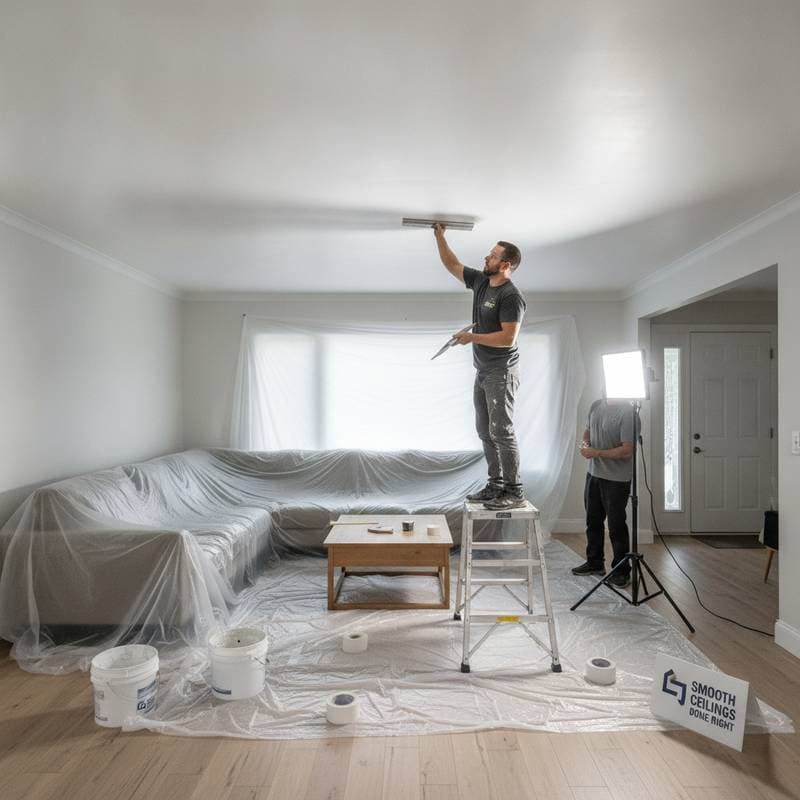
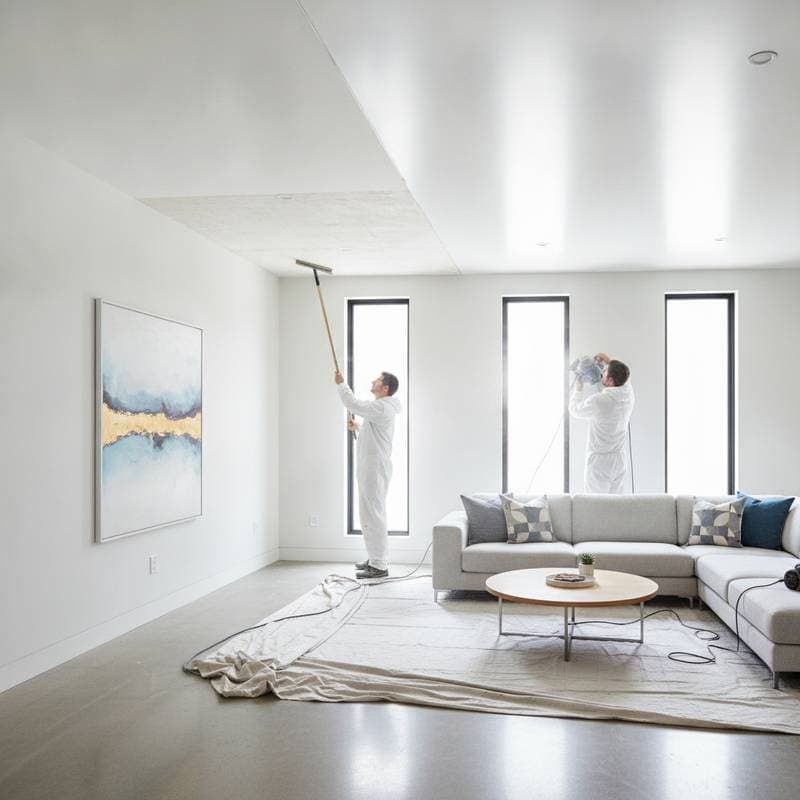
Professional crews protect floors and furnishings, test older material for safety, mist the texture, scrape it away, repair surface flaws, and apply a smooth finish. Vacuum sanding systems limit dust migration into living areas. Written scope documents and before-and-after photographs help homeowners verify expectations.
Three Budget Approaches
Homeowners can address popcorn ceilings at different investment levels.
-
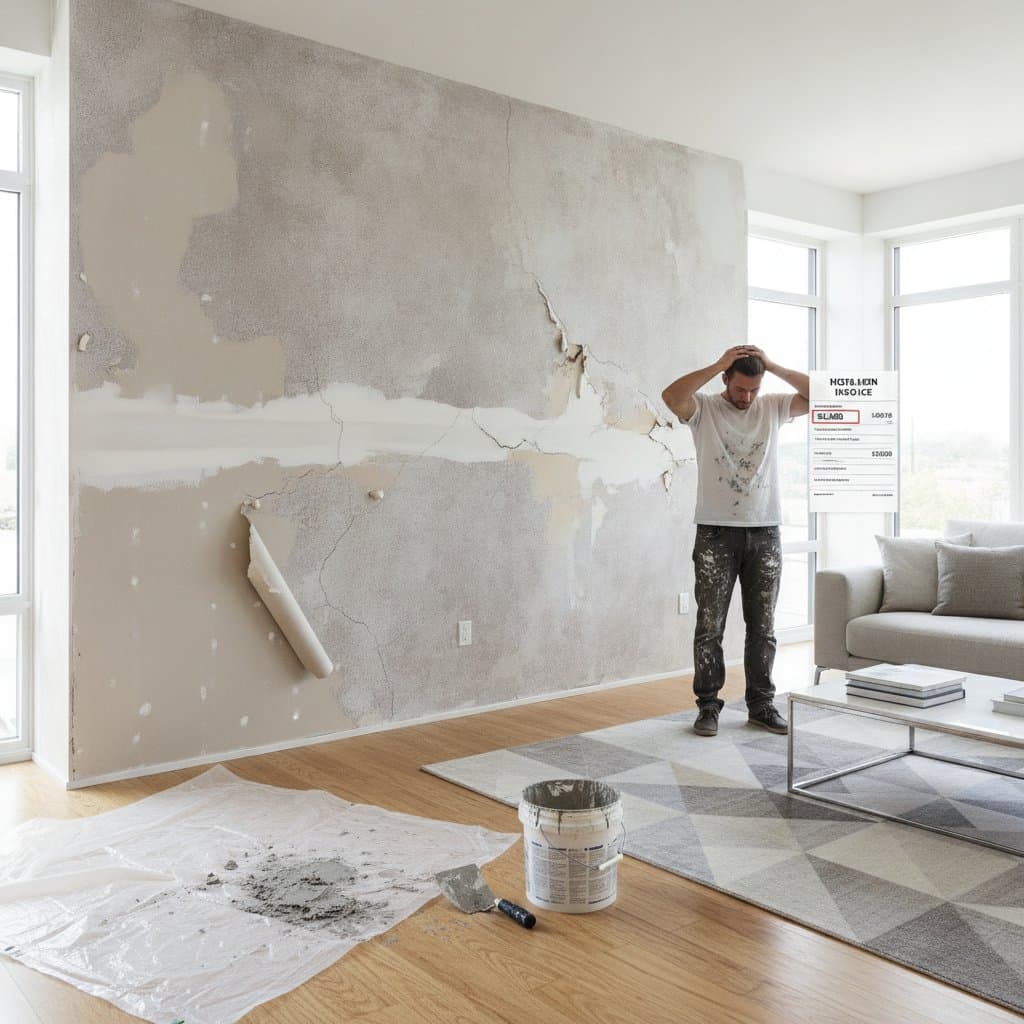
DIY removal requires plastic sheeting, a pump sprayer, wide taping knives, joint compound, and respiratory protection. Success depends on testing a small section first. Thick or painted texture often leads to drywall damage, making professional help the safer choice.
-
Mid-range professional service matches the common 800-dollar benchmark. One crew manages the entire sequence from prep through final paint. Scheduling multiple rooms together frequently lowers the per-room rate.
-
Premium upgrades follow removal with crown molding, recessed fixtures, or decorative plaster. These additions suit long-term owners who want durability and distinctive character.
Lighting and Photography Benefits
Smooth ceilings distribute light without hot spots or dark pockets. Photographers achieve higher contrast and truer color rendition when overhead planes remain flat. Video tours avoid distracting shadows once texture disappears. The resulting images convey spaciousness that influences buyer interest.
Safety and Preparation Steps
Test any ceiling installed before 1980 for asbestos or other regulated materials. Professional testing avoids health risks and ensures compliant disposal when needed. After clearance, light misting loosens the texture for controlled removal without gouging the drywall underneath.
Resale and Value Impact
Updated ceilings reduce buyer objections during showings. Homes with smooth ceilings sell faster and closer to asking price because they appear move-in ready. The change pairs well with modern lighting choices buyers expect in updated properties.
Ongoing Maintenance Advantages
Smooth surfaces collect less dust and accept touch-up paint without visible patches. Flat or eggshell ceiling paints hide minor imperfections while remaining washable. Regular dusting preserves appearance without special equipment.
Homeowners who complete this upgrade report greater satisfaction with overall room brightness and a calmer visual environment.