Why Professional Painters Switched from TSP to Safer Alternatives
Professional painters once relied on trisodium phosphate, known as TSP, to prepare surfaces for painting. This powerful degreaser removed grime, oils, and residues effectively. However, concerns over health risks and environmental impact led many experts to abandon it in favor of modern substitutes.
TSP served as a staple in painting preparation for decades. It excelled at breaking down tough contaminants on walls, trim, and other surfaces. Painters mixed it with water, applied it with sponges or brushes, and rinsed thoroughly to ensure a clean base for paint adhesion.
Despite its effectiveness, TSP presented significant drawbacks. The chemical irritated skin and eyes, requiring gloves and ventilation during use. Residues could interfere with paint if not rinsed completely, leading to peeling or bubbling over time.
Understanding the Risks of TSP
TSP contains phosphates that harm aquatic life when washed into waterways. Regulations in many areas restricted its sale or use by the mid-2020s due to pollution concerns. Painters faced fines or project delays when disposing of rinse water improperly.
Health issues extended beyond immediate irritation. Inhaling TSP dust or fumes posed respiratory risks, especially in enclosed spaces. Professional organizations recommended minimizing exposure, prompting a search for less hazardous options.
Long-term surface damage added another layer of concern. TSP etched certain materials like aluminum or delicate wood finishes. This necessitated extra repairs before painting, increasing labor costs and time.
Exploring Safer Alternatives
Phosphate-free cleaners emerged as the primary replacement for TSP. These formulations use biodegradable surfactants and mild abrasives to achieve similar cleaning power. Brands developed specific products for painting prep, ensuring compatibility with various surfaces.
One popular alternative involves citrus-based degreasers. Derived from natural oils, they dissolve grease without harsh chemicals. Painters apply them directly, wipe clean, and proceed to priming with minimal rinsing.
Another option features alkaline cleaners with chelating agents. These bind to minerals and oils, lifting them from surfaces effectively. They maintain a neutral pH after use, reducing the risk of residue buildup.
Benefits of Making the Switch
Safer alternatives enhance worker safety by eliminating toxic exposure. Painters report fewer skin reactions and improved comfort on the job. This leads to higher productivity and lower medical claims for crews.
Environmental advantages prove substantial. Phosphate-free products break down quickly without contributing to algae blooms in water systems. Painters align with green building standards, appealing to eco-conscious clients.
Paint performance improves noticeably. Cleaners that leave no residue promote stronger adhesion, resulting in finishes that last years longer. Projects require fewer touch-ups, saving time and materials in the long run.
Efficiency gains streamline workflows. Many substitutes demand less water for rinsing or none at all. A typical prep session shortens from hours to minutes, allowing painters to complete jobs faster.
How to Select and Use Alternatives Effectively
Evaluate surface types when choosing a cleaner. For glossy or oily walls, select a heavy-duty degreaser. Delicate surfaces benefit from gentle, non-abrasive formulas to avoid damage.
- Test the product on a small area first to confirm compatibility.
- Dilute according to manufacturer instructions, typically one part cleaner to ten parts water.
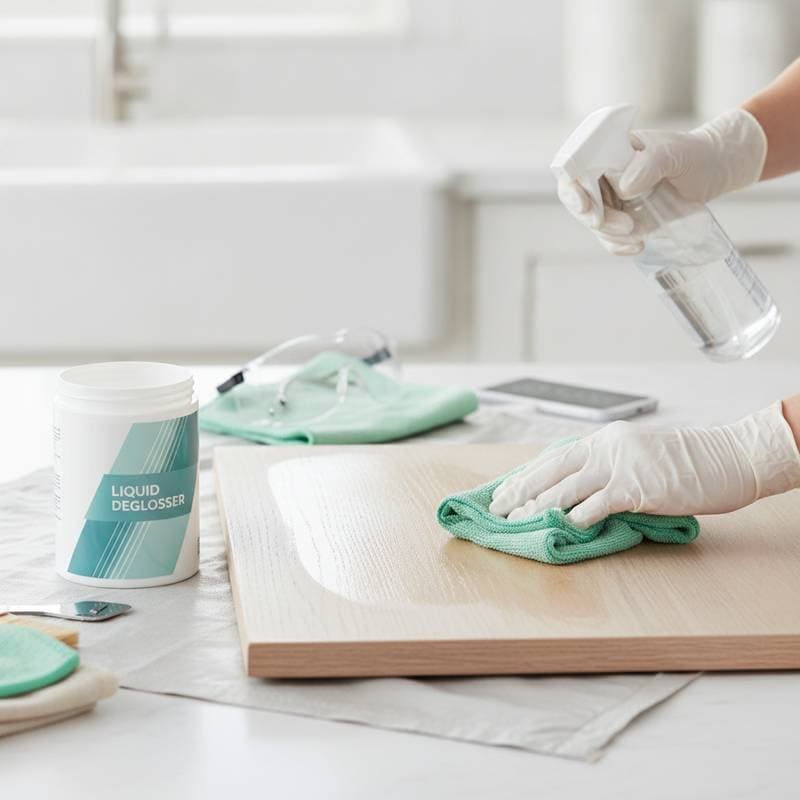
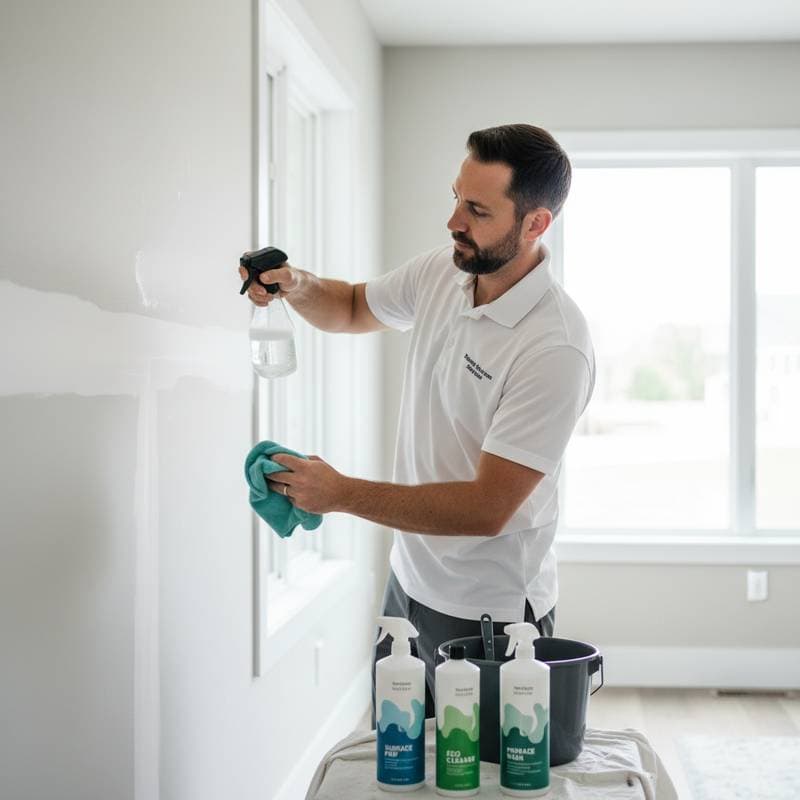
- Apply with a soft cloth or spray bottle, agitating gently to lift dirt.
- Wipe or rinse as needed, then allow the surface to dry completely before painting.
Integrate these tools into standard prep protocols. Train teams on proper application to maximize results. Document usage for compliance with local regulations.
Achieving Superior Results with Modern Cleaners
Switching from TSP positions painters for success in a regulated industry. Clients appreciate the commitment to safety and sustainability. Projects finish with professional quality that stands the test of time.
Explore these alternatives to elevate your painting practice. The transition yields immediate improvements in health, efficiency, and durability. Professional results await those who adapt to smarter preparation methods.