Why Limewash Reduces Costs for Textured Walls in 2025
Homeowners seeking innovative methods to refresh textured walls find limewash to be a budget-friendly and aesthetically pleasing option. This mineral-based coating provides an aged, refined appearance while delivering substantial savings over conventional paint applications or complete resurfacing efforts. By examining the interaction between limewash and textured surfaces, readers gain insight into the mechanisms that lower project expenses without diminishing visual appeal or durability.
Understanding Limewash Basics
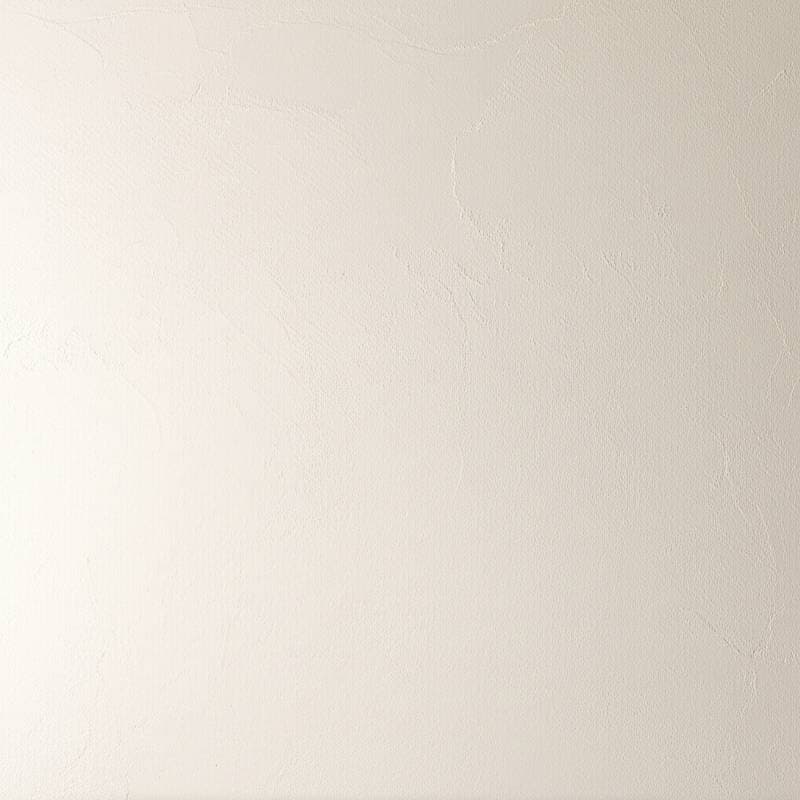
Limewash derives from crushed limestone combined with water and natural pigments. The formula penetrates porous surfaces instead of creating a heavy overlay, preserving the inherent texture of materials like plaster, brick, or stucco. This penetration yields a subtle matte finish that accentuates natural contours and variations.
The chemical bonding process integrates limewash directly into mineral substrates, forming an integral part of the wall structure. This integration promotes breathability, allowing moisture to escape and preventing issues common with non-porous coatings. Over time, the finish develops a graceful patina that enhances its character.
Cost Analysis for Limewash Projects
Typical Pricing Structure
- Entry-level application: $1.50 to $2.50 per square foot, suitable for straightforward interior walls with minimal preparation.
- Mid-range application: $2.50 to $4.00 per square foot, including custom pigment matching and two coats for deeper tones.
- High-end application: $4.00 to $6.00 per square foot, incorporating specialty finishes or exterior exposure adjustments.
Standard Project Components
- Initial surface cleaning and minor preparation steps.
- One or two coats of limewash with integrated pigments.
- Adjustments for color consistency and texture enhancement.
- Comprehensive final review and touch-up work.
Additional Expenses to Consider
- Structural repairs to plaster or drywall prior to application.
- Application of sealants in moisture-prone environments like bathrooms.
- Sourcing bespoke pigments or premium lime variants.
- Equipment needs for elevated or complex wall configurations.
Key Influences on Total Expenses
| Factor | Influence Level | Specific Examples |
|---|---|---|
| Wall Condition | Moderate | Cracks or heavy soiling demand extra cleaning and patching. |
| Material Type | Variable | Brick absorbs evenly; stucco may require dilution tweaks. |
| Coat Quantity | Moderate | Richer hues necessitate additional layers for opacity. |
| Labor Expertise | High | Certified applicators command higher fees for precision. |
| Geographic Area | Moderate | Urban regions face elevated material and wage costs. |
Mechanisms Behind Cost Savings on Textured Walls
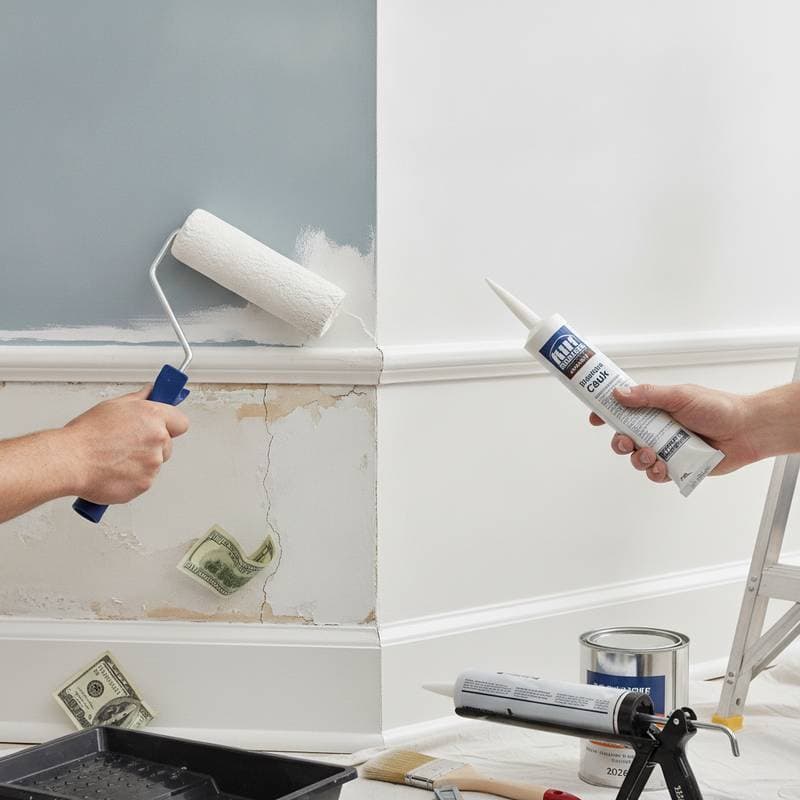
Preparation represents the primary area of efficiency. Conventional paints demand extensive leveling of textured surfaces to ensure uniform adhesion and appearance. Limewash, however, embraces surface irregularities, transforming them into design features that eliminate the need for sanding, filling, or skim coating.
Material efficiency further contributes to reductions. The thin consistency of limewash covers broader areas with less volume compared to thicker paints. One container typically suffices for spaces that would require multiple cans of latex alternatives, directly lowering supply expenses.
The breathable properties prevent moisture accumulation, avoiding repairs from peeling or bubbling that plague synthetic finishes. For aging textured walls showing wear or fading, limewash restores vibrancy without texture removal. This approach imparts depth via subtle shading, achieving modern elegance at a fraction of resurfacing prices.
Project Timeline Overview
Limewash applications generally conclude in two to four days, scaled to wall dimensions and coat intervals. Day one focuses on assessment, cleaning, and any necessary repairs. Subsequent coats apply once prior layers dry, often within four to six hours each.
This rapid setting stems from the material's carbonization, where it hardens through reaction with atmospheric carbon dioxide. Unlike paints requiring prolonged off-gassing, limewash strengthens progressively, enabling quicker occupancy and reduced disruption.
Deciding Between Professional Application and DIY Efforts
Ambitious homeowners with painting experience may tackle limewash independently, especially on smaller surfaces. Success hinges on mastering dilution, application strokes, and coat timing to avoid patchiness on textures. Testing samples on inconspicuous areas helps gauge absorption and color outcomes.
Professionals excel in handling intricate textured walls, ensuring uniform penetration and finish. They employ specialized brushes for controlled stippling and manage residue to protect surrounding elements. For expansive projects or exacting aesthetics, expert involvement guarantees longevity and satisfaction.
Selecting and Preparing with a Contractor
Choose contractors with documented expertise in mineral finishes by reviewing portfolios of textured wall transformations. Inquire about their approach to preparation, coat strategies, and pigment selection during consultations. Secure detailed proposals outlining materials, schedules, and post-application protocols.
Homeowners prepare by relocating furnishings, supplying water sources, and ensuring airflow. Discuss desired opacity and variation upfront to align with interior themes. Post-application, permit full curing for 48 to 72 hours before introducing moisture or heavy use.
Longevity and Upkeep Strategies
Well-executed limewash endures 10 to 15 years indoors with routine care. Its antimicrobial qualities deter mold growth, and surface evolution adds authentic charm. Refreshing involves applying new coats over existing ones, bypassing removal or priming steps.
Maintenance entails soft brushing to remove dust or diluted wiping for stains. Avoid abrasive cleaners that could erode the mineral bond. In high-traffic zones, annual inspections identify areas needing spot treatments.
Steps to Initiate Your Limewash Transformation
Assess current walls for compatibility, prioritizing porous bases like plaster or brick. Visualize outcomes by sketching room layouts with proposed finishes. Budget allocation should contrast limewash economics against alternatives like full retexturing, often revealing 30 to 50 percent savings.
Consult local specialists for site-specific advice, including primer needs for smoother substrates. Schedule during favorable weather for exteriors to optimize drying. The result positions textured walls as focal points, blending affordability with enduring sophistication.
Common Questions About Limewash Applications
How does limewash differ from traditional paint on textured walls?
Limewash soaks into surfaces for a bonded, breathable result, while paint sits atop and may crack on uneven areas. This penetration highlights texture naturally, reducing prep and enhancing durability.
Can limewash work on all wall types?
It performs best on mineral surfaces; drywall benefits from a base coat. Test absorption rates to confirm suitability and adjust mixtures accordingly.
What preparation steps are essential?
Clean thoroughly to remove dirt or efflorescence, then repair major flaws. No smoothing is required, but ensure even moisture levels for optimal uptake.
How long does drying take between coats?
Initial drying occurs in hours, with full carbonization over days. Apply subsequent layers once the prior coat feels dry to the touch.
Is limewash environmentally friendly?
Yes, its natural ingredients produce low VOCs and support sustainable building practices. Disposal involves simple rinsing, minimizing waste.
What issues arise with limewash, and how to resolve them?
Inconsistent absorption may cause color variations; mitigate with uniform thinning and even brushing. Streaks from drips blend during wet-edge work, and touch-ups integrate seamlessly later.