Pros' 120-Grit Rule for Flawless Surface Prep
A perfect paint finish begins long before the first brushstroke touches the wall. Professionals know that the secret to smooth, durable results lies in the surface preparation. Among all the steps in this process, sanding is the most transformative. One piece of advice that experienced painters repeat often is the 120-grit rule. This guideline helps achieve an ideal surface texture that promotes paint adhesion, hides imperfections, and produces a consistent finish.
Understanding how grit selection influences surface quality allows homeowners and DIY painters to prepare surfaces correctly and avoid costly mistakes. The 120-grit rule serves as a reliable foundation for nearly every painting or finishing project.
Why 120 Grit Matters
Grit number refers to the coarseness of sandpaper. Lower numbers remove material quickly but leave visible scratches, while higher numbers polish the surface but may reduce adhesion if used too soon. The 120-grit level falls right in the middle of this scale. It is coarse enough to remove minor flaws and create a uniform texture, yet fine enough to avoid deep scratches that can show through paint or primer.
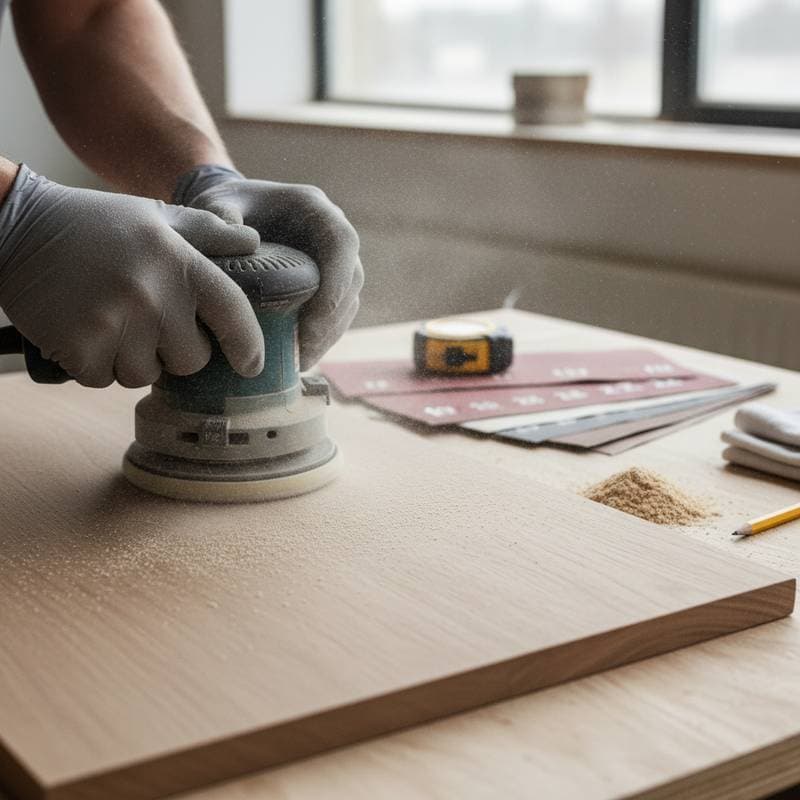
Professionals use 120 grit as the final sanding stage before applying primer or paint on most surfaces, including drywall, wood, and even previously painted areas. It balances smoothness with a subtle roughness that helps coatings bond securely. For example, on drywall, this grit level smooths joint compound ridges without damaging the underlying paper.
Cost Overview for Surface Preparation
Surface prep costs vary depending on the type of material, project size, and labor requirements. For homeowners hiring professionals, sanding and surface prep typically range between $1.50 and $4.00 per square foot. This price includes materials, labor, and cleanup.
Average Cost Ranges by Project Size
- Small room (100 sq. ft.): $150 - $400
- Medium room (250 sq. ft.): $375 - $1,000
- Large room (400 sq. ft.): $600 - $1,600
Cost Breakdown per Square Foot
- Materials (sandpaper, abrasives, patching compounds): $0.25 - $0.75
- Labor (sanding, dust removal, inspection): $0.75 - $2.50
- Preparation and repairs: $0.50 - $1.00
These ranges reflect typical residential conditions. Complex surfaces, such as textured walls or detailed trim, can increase costs due to additional labor time. To estimate your project accurately, measure the surface area and note any irregularities before obtaining quotes.
Factors Affecting Surface Prep Costs
Several variables influence the total investment in sanding and surface preparation. Understanding them helps set accurate expectations and manage the budget effectively.
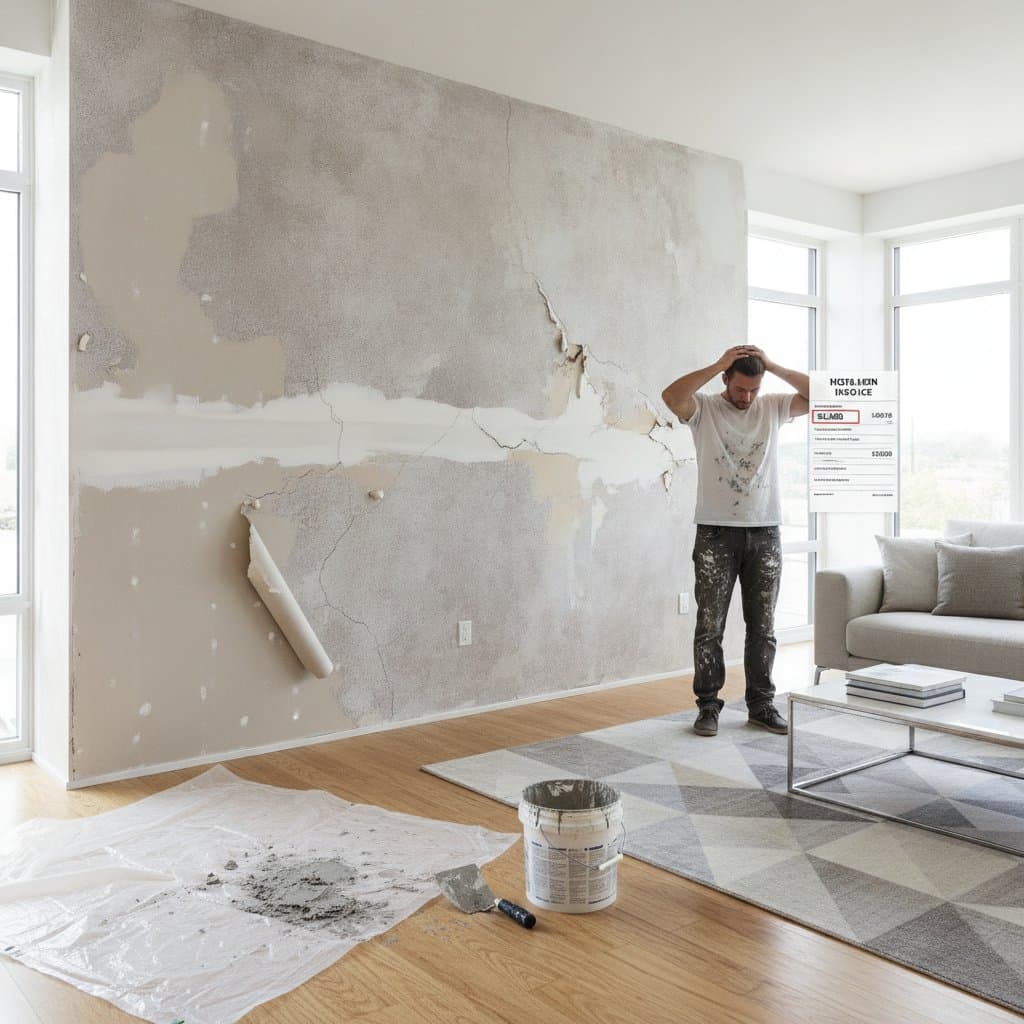
Surface condition: Rough or damaged surfaces require multiple sanding passes, filling, or patching, which raises material and labor costs. Inspect walls for cracks or peeling paint early to identify potential extras.
Material type: Hardwood, plaster, and drywall each respond differently to sanding. Harder surfaces demand more durable sandpaper and longer sanding times. Select tools suited to the material to avoid unnecessary wear.
Accessibility: Tight corners, high ceilings, or intricate trim can slow progress, increasing total labor hours. Clear furniture and use drop cloths to facilitate access and reduce setup time.
Equipment choice: Hand sanding is less expensive but slower. Power sanders increase efficiency yet require skilled operation and dust control tools. Evaluate your needs to choose the right balance of speed and cost.
Finishing goals: Higher-end finishes, such as glossy paint or fine wood stain, demand extra sanding steps with finer grits, adding to the cost. Define your desired outcome upfront to align prep efforts.
Detailed Cost Analysis by Technique
| Technique | Basic Range | Standard Range | Premium Range | Key Differences |
|---|---|---|---|---|
| Manual sanding | $1.00 - $2.00 | $2.00 - $3.00 | $3.00 - $4.00 | Labor-intensive but precise for small areas |
| Orbital sanding | $1.50 - $2.50 | $2.50 - $3.50 | $3.50 - $4.50 | Faster with consistent results on large surfaces |
| Dustless sanding | $2.00 - $3.00 | $3.00 - $4.00 | $4.00 - $5.00 | Cleaner process, ideal for occupied homes |
These options reflect varying levels of efficiency, cleanliness, and finish quality. Professionals often combine methods to achieve the best outcome while controlling costs. For instance, use manual sanding for edges and orbital for flat areas to optimize both precision and speed.
How the 120-Grit Rule Improves Results
The 120-grit rule simplifies decision-making during prep work. It acts as a standard checkpoint before priming or painting. When surfaces are sanded to this level, the microscopic scratches left behind help coatings grip evenly, preventing peeling or uneven coverage.
Drywall: After joint compound dries, sanding with 120 grit removes ridges and feathered edges without exposing paper layers. This step ensures a seamless base for primer.
Wood surfaces: For raw wood, 120 grit smooths the grain while maintaining tooth for primer or stain. It prevents the wood from becoming too slick, which could lead to poor absorption.
Previously painted surfaces: Light sanding with 120 grit dulls the old finish, allowing new paint to bond properly. Test a small area first to confirm the existing layer's condition.
Skipping this step can lead to paint adhesion problems, visible defects, or premature wear. Always follow up sanding with a thorough dust wipe-down using a tack cloth for optimal results.
Value and Return on Investment
Quality surface preparation can increase paint longevity by several years. While it may add modest upfront costs, it reduces the need for repainting and touch-ups later. A well-prepared surface also enhances the appearance of the final finish, improving home value and aesthetic appeal.
Homeowners who invest in professional prep work typically achieve longer-lasting results, saving money over time. The difference between a quick sanding job and a thorough, 120-grit finish often determines whether paint looks flawless or uneven. Consider this investment as protection against future repairs.
Money-Saving Strategies
Homeowners can manage surface prep costs through careful planning and selective DIY efforts.
- Handle minor prep tasks like cleaning and light sanding on accessible surfaces before professionals arrive.
- Buy sandpaper in bulk to reduce per-sheet costs, especially for larger projects.
- Rent sanding equipment instead of purchasing, unless frequent use is expected.
- Schedule during off-peak seasons when contractors may offer lower rates.
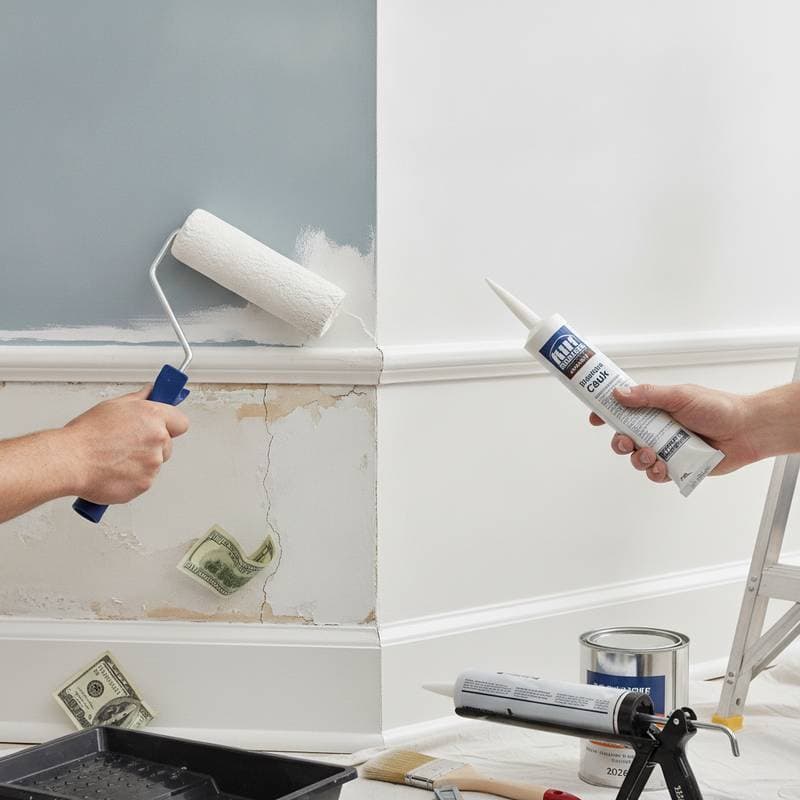
- Inspect and repair early, preventing extra labor for deeper damage later.
These methods keep expenses manageable without compromising quality. Track your progress with photos to ensure even coverage and avoid rework.
Planning Your Budget
Develop a realistic budget by calculating square footage and multiplying by average rates. Factor in a 10-20 percent buffer for unexpected repairs. Consult multiple professionals for quotes, and prioritize those experienced in your surface type. This approach ensures comprehensive prep without overspending, leading to a durable, professional-grade paint job.
Frequently Asked Questions
What is the average cost to prepare a room for painting?
Most homeowners spend between $1.50 and $4.00 per square foot for professional surface preparation. The total depends on surface condition, accessibility, and finishing requirements. Start with a site assessment to refine estimates.
Why is 120 grit considered the standard for final sanding?
It creates a balanced texture that supports strong paint adhesion while leaving the surface smooth enough for a professional finish. Coarser grits can leave marks, while finer grits may cause bonding issues. Test on a scrap piece to verify suitability.
How can I save money on sanding and prep work?
Handle light cleaning or sanding before hiring professionals, buy materials in bulk, and schedule projects during less busy periods to reduce labor rates. Combine DIY with pro services for efficiency.
Should I use 120 grit for all surfaces?
It works well for most materials, but very soft wood or delicate finishes may require slightly finer grits, such as 150 or 180, to prevent visible scratches. Adjust based on material hardness and project goals.
Is professional sanding worth the cost?
Yes. Experienced painters use the right grit sequence, tools, and dust control methods, leading to a smoother and longer-lasting finish than most DIY efforts. The upfront expense pays off in durability.
When is the best time to schedule surface preparation?
Mild weather seasons are ideal, as humidity and temperature affect drying times for fillers and primers. Planning ahead ensures better results and more flexible scheduling. Aim for spring or fall in most regions.