Skipping Sanding: The $800 Painting Mistake Professionals Avoid
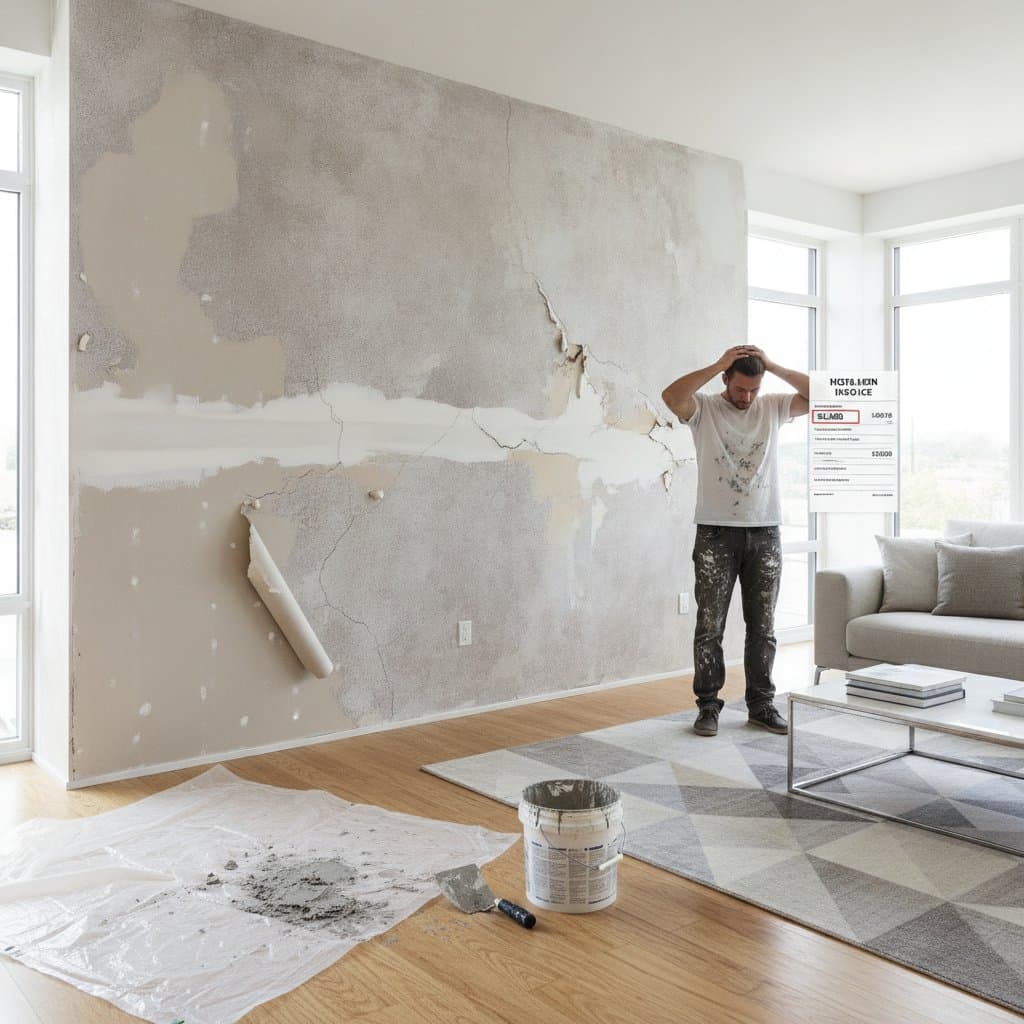
Homeowners often consider sanding an optional step in painting projects, viewing it as a way to save time. However, this approach frequently results in adhesion failures that require extensive repairs. Such oversights can lead to costs exceeding $800 for labor and materials, as peeling paint and uneven surfaces demand complete repainting. Proper preparation through sanding ensures a durable, professional finish that withstands daily wear.
The Role of Sanding in Achieving a Flawless Finish
Sanding serves as the essential foundation for any successful paint application. It removes imperfections, dulls glossy surfaces, and creates a textured profile that promotes strong adhesion. Without this preparation, paint fails to bond effectively, leading to premature deterioration.
Paint adheres best to surfaces with microscopic abrasions provided by sanding. These abrasions allow the paint or primer to penetrate and cure securely. In professional settings, such as film productions, inadequate sanding has caused visible defects under intense lighting, underscoring the need for thorough preparation on walls, cabinets, and trim. This step extends the lifespan of the finish, preventing issues that arise within weeks of application.
Consequences of Omitting Sanding
Neglecting sanding introduces risks that manifest shortly after painting. Initial appearances may seem satisfactory, but underlying problems soon emerge, including:
- Peeling or flaking, where paint detaches in large sections.
- Uneven sheen, with glossy areas contrasting against matte ones.
- Visible underlying textures, such as old brush strokes or imperfections.
- A sticky surface that fails to cure completely.
Addressing these defects involves scraping, additional sanding, and repainting, which significantly increases expenses. For instance, refinishing a set of cabinets typically costs around $800 when accounting for materials and professional labor. Investing time in initial preparation proves far more economical than corrective measures.
Budget-Appropriate Sanding Strategies
Effective sanding requires tools and techniques scaled to project scope and financial constraints. Select methods that balance efficiency with results, ensuring clean surfaces ready for painting.
Entry-Level Approach for DIY Projects
For basic tasks, begin with a sanding sponge, which adapts to irregular shapes and costs under $5. Select fine-grit sandpaper between 180 and 220 to achieve a smooth texture without excessive material removal. After sanding, wipe the surface with a damp microfiber cloth to remove dust, followed by a tack cloth to capture residual particles.
This method suits small-scale work, such as refreshing furniture or accent walls. It minimizes mess and requires no power tools, making it ideal for renters or those with limited space. Consistent light passes prevent over-sanding and maintain surface integrity.
Intermediate Techniques for Home Improvements
Upgrade to a random orbital sander for larger areas, available for $30 to $50, which reduces effort and ensures uniform results. Progress through grits from 120 for initial roughing to 240 for final smoothing. Vacuum debris frequently during the process to avoid recontamination and promote better paint grip.
Homeowners tackling doors, trim, or built-in features benefit from this setup. It accelerates preparation while allowing solo operation. Practice on inconspicuous areas first to master speed and pressure control.
Advanced Setup for Professional Results
Incorporate a dust extraction system, such as a shop vacuum with attachments, to maintain air quality and a pristine work environment. Opt for mesh-backed abrasives that resist clogging and extend tool life. Follow sanding with a high-adhesion primer formulated for prepared surfaces to seal the work.
Professionals on high-stakes projects, like set designs, rely on these tools for precision. They enable rapid yet thorough preparation, critical when schedules demand quick turnarounds. Regular maintenance of equipment ensures consistent performance across multiple jobs.
Identifying Surfaces Requiring Sanding
While not all areas demand intensive work, certain substrates benefit most from targeted sanding. Base decisions on surface condition and material type, drawing from practical experience.
- Glossy trim or cabinets require scuff sanding to reduce shine and enhance bonding.
- Previously painted walls need spot treatment on drips, marks, or uneven spots.
- New drywall demands light sanding at joints to eliminate ridges and achieve seamlessness.
- Varnished furniture calls for progressive sanding to expose the base material.
Perform a tactile assessment by gliding fingertips over the surface. Sand until it feels uniformly smooth and slightly matte, avoiding excessive removal that could alter dimensions. This test confirms readiness without guesswork.
Professional Techniques for Optimal Sanding
Experienced painters emphasize techniques that maximize efficiency and minimize errors. Apply light, even pressure to let the abrasive material perform effectively, preventing gouges or edge rounding.
Maintain steady motions, either in circular patterns for broad areas or linear for trim, to avoid swirl marks. Use angled lighting to inspect progress, revealing missed spots or inconsistencies. Between grit changes, clean thoroughly to prevent finer particles from scratching during subsequent passes.
In time-sensitive environments, such as production sets, these habits ensure reliability. Brief pauses for inspection maintain quality without slowing workflow. Over time, they develop into intuitive practices that elevate amateur efforts to professional standards.
Leveraging Sanding for Enhanced Design Outcomes
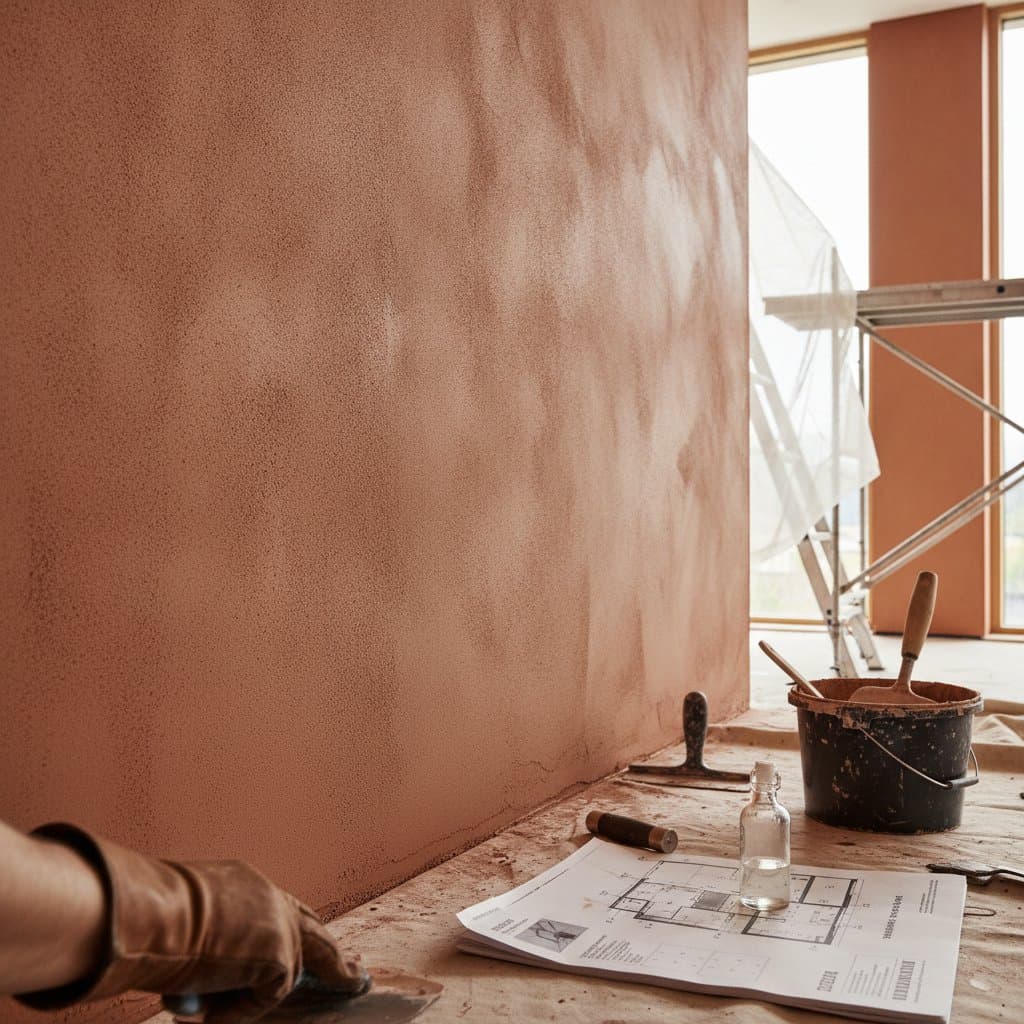
Beyond basic preparation, sanding influences aesthetic control. It allows customization of texture and light reflection, tailoring finishes to specific visions. For a soft matte appearance, sand to a fine level and apply primer uniformly before gentle application.
To achieve a textured, rustic effect, limit sanding to preserve natural grain or subtle imperfections. This versatility extends to custom pieces, where surface quality directly impacts perceived value. Clients appreciate the smooth tactility that results from meticulous prep, distinguishing high-end work from standard applications.
Sustaining Your Painted Surfaces
After application, protect the finish through routine care. Dust lightly and use mild cleaners to avoid abrasion. Address chips promptly with touch-up paint, sanding lightly beforehand for seamless integration.
When repainting, repeat the sanding process to refresh adhesion. This cycle preserves appearance and functionality over years. The initial effort in preparation yields lasting satisfaction, transforming spaces with enduring beauty.