Why Lilac and Butter Yellow Are Dominating 2026 Paint Trends
Color trends evolve alongside shifts in lifestyles, emotions, and aesthetic tastes. Every few years, a fresh set of shades captures the attention of homeowners and interior designers. For 2026, two subtle yet vibrant colors lead the way: lilac and butter yellow. These tones offer a gentle presence that infuses spaces with character and coziness, suiting both sleek contemporary settings and classic environments. Individuals seek paints that merge ease with innovation, and these selections achieve that equilibrium seamlessly.
This resource examines the reasons behind their prominence in modern design, practical applications within living areas, and key elements of a painting endeavor centered on them. Topics range from expense evaluations to choices between expert services and personal efforts, providing tools for informed choices in aesthetics and workforce selection.
Project Cost Breakdown
Average Cost Ranges
- Basic repainting project: $1,200 - $2,000
- Standard whole-room refresh: $2,000 - $4,500
- Premium design finish: $4,500 - $7,500
What's Included
- Labor covering surface preparation, priming, and two layers of application
- Materials such as high-end lilac or butter yellow products
- Details on trim and accents when specified in the plan
- Post-work cleanup along with a thorough final review
What Costs Extra
- Accent wall creations or ornamental techniques: $300 - $800
- Tailored color blends or specialized surface effects: $200 - $600
- Extensions to ceilings or cabinets in coordinated shades: $400 - $1,200
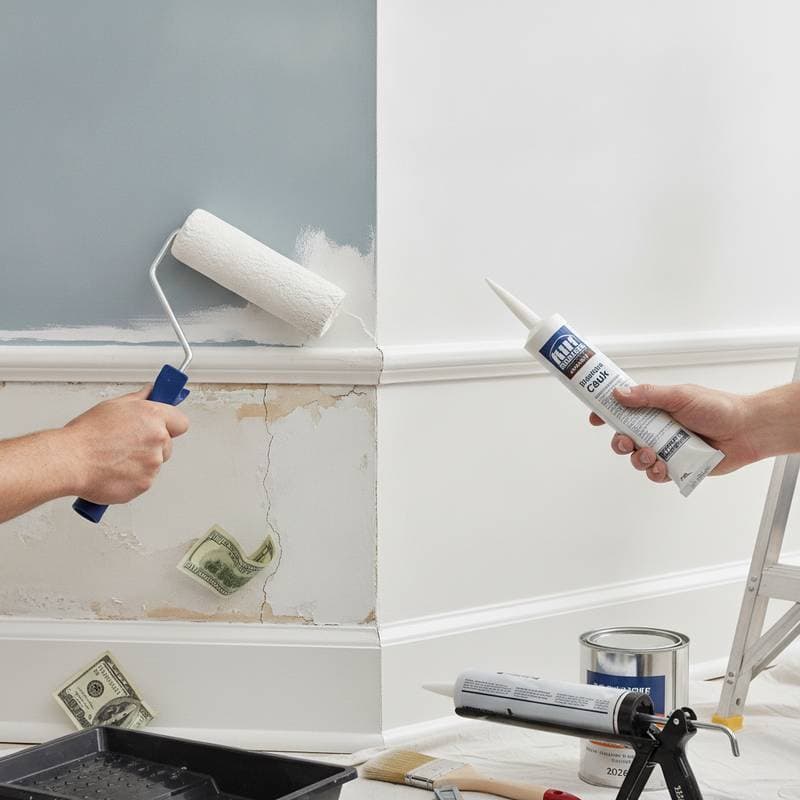
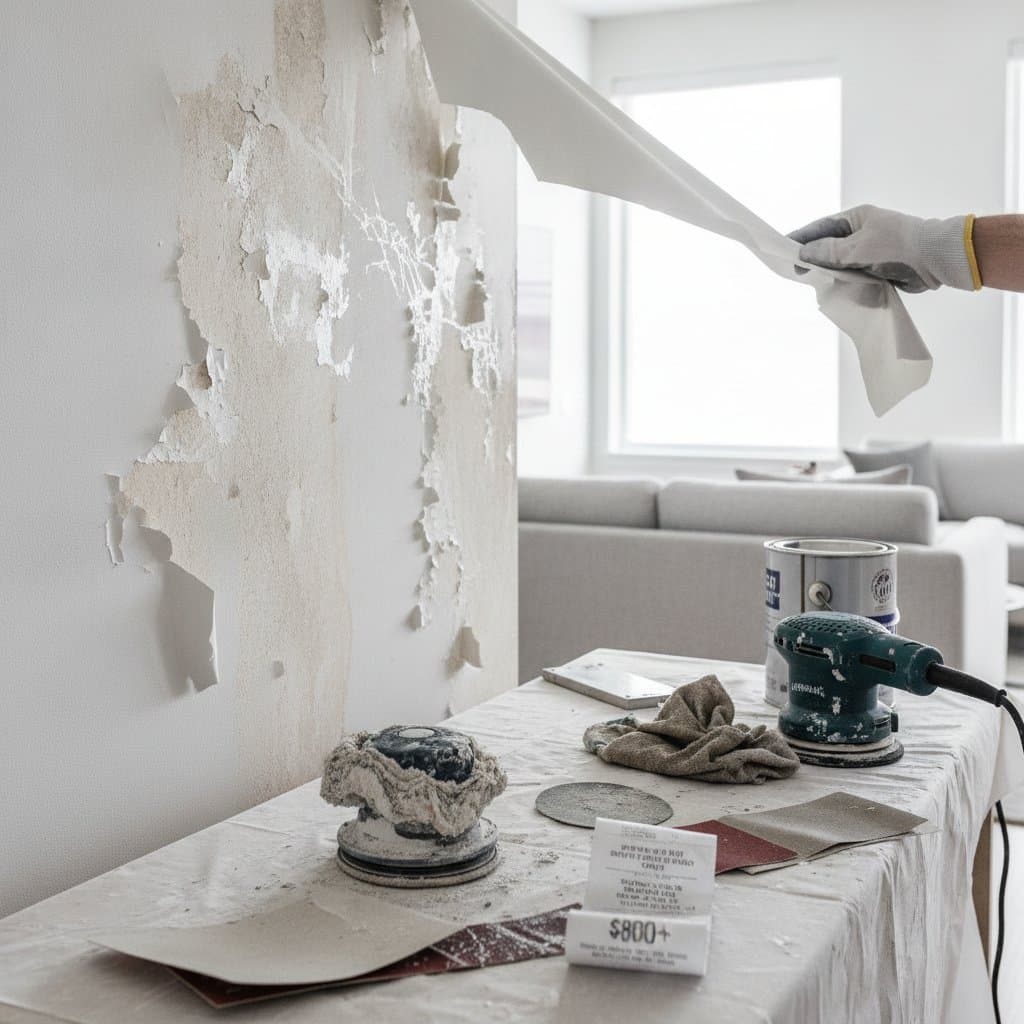
- Pre-painting repairs or intensive surface readying: $250 - $700
Factors That Affect Final Cost
| Factor | Cost Impact | Examples |
|---|---|---|
| Room size | Larger areas raise labor and supply expenses | Expansive living areas exceed compact sleeping quarters |
| Wall condition | Flawed or rough surfaces demand additional readying | Fractures, discolorations, or residue from prior use |
| Paint quality | Superior options carry higher prices yet endure better | Durable flat sheens or environmentally friendly formulas |
| Accessibility | Elevated or outdoor elements extend duration | Multi-level access or expansive overhead areas |
| Design complexity | Elaborate patterns, zoning, or edge work | Projects involving multiple shades and precise masking |
Timeline Expectations
A standard home painting initiative with lilac or butter yellow adheres to a structured progression:
- Consultation and shade choice: 1 to 2 days involving sample trials and confirmations
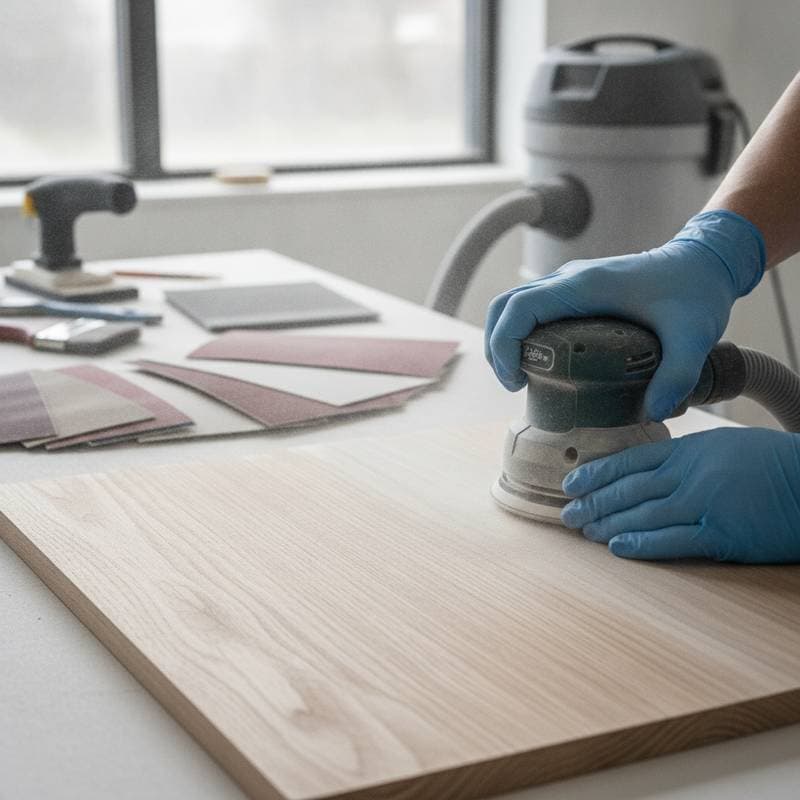
- Preparation stage: 1 to 3 days dedicated to cleansing, smoothing, masking, and base coating
- Application and curing: 2 to 4 days based on area dimensions and layer count
- Concluding review and adjustments: 1 day focused on precision verification and tidying
Participants anticipate 1 to 2 weeks overall for a full interior renewal, encompassing initial planning and settling periods. Environmental elements like moisture levels and product types influence curing rates, particularly for pale pastels that demand uniform layering.
Selecting the Right Contractor or Handyman
The decision on who handles the painting proves as vital as the selected palette. Skilled individuals manage sensitive shades adeptly, uphold tidiness, and deliver even results.
Research and Verification
- Examine qualifications such as official permits, coverage policies, and client endorsements.
- Inspect past works featuring pale or subtle shade applications.
- Inquire regarding supplies to verify employment of trusted brands that preserve hue integrity.
- Solicit a formal proposal outlining workforce, resources, and preparatory tasks.
Comparing Quotes
Collect a minimum of three proposals to identify equitable rates. Consider more than price points. Minimal offers might omit essential readying or incorporate subpar supplies prone to quick degradation. An equitable assessment accounts for expert rates, reliable resources, and assurance provisions.
Contract Essentials
Verify the agreement encompasses:
- Initiation and conclusion timelines
- Comprehensive task descriptions
- Compensation phases linked to progress points
- Assurance or contentment pledges
Such records safeguard interests during execution.
Quality Expectations for Lilac and Butter Yellow Finishes
Delicate shades necessitate precise management to prevent streaks or inconsistent depth. Exemplary execution exhibits:
- Consistent tint free of evident application traces
- Neat shifts at edges and borders
- Even surface feel with few tool imprints
- Thorough layering absent of sparse or irregular spots
Experts also assess gloss uniformity across light variations. This practice keeps lilac tranquil and butter yellow softly luminous, avoiding unintended shine or dullness.
Planning Your Project
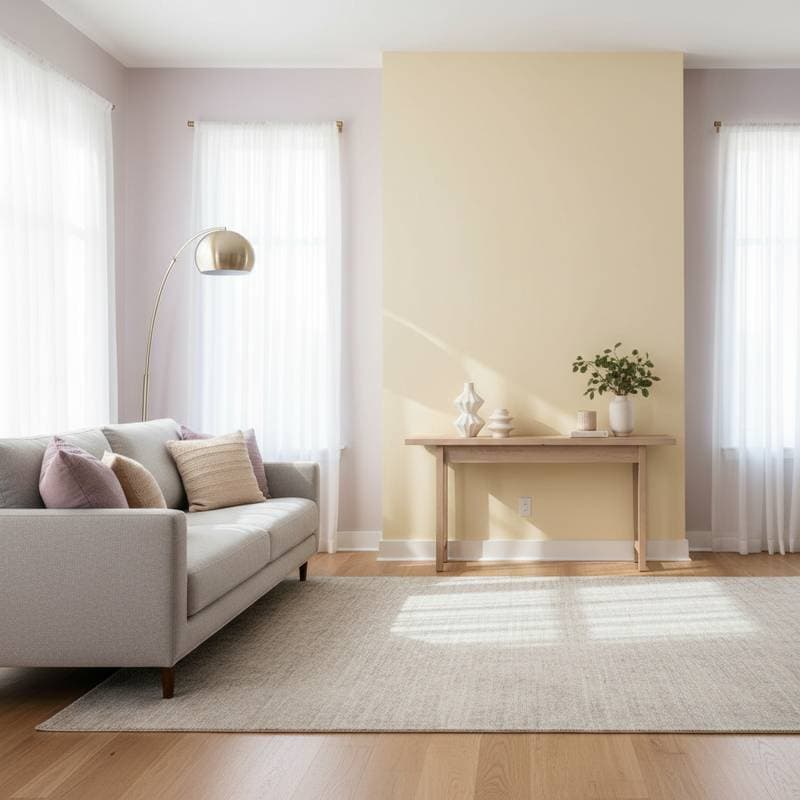
Incorporating lilac and butter yellow extends beyond trend adherence. It fosters environments of positivity and solace. Approach the endeavor thoughtfully by establishing practical budgets, engaging credible experts, and allocating ample duration per segment. These shades excel in naturally illuminated zones and pair well with understated furnishings such as woven fabrics, natural weaves, or subtle metallic accents.
From a solitary feature wall to a comprehensive residence overhaul, view the activity as a commitment to style and serenity. Thorough groundwork and specialist input distinguish a simple hue change from an enduring enhancement.
Frequently Asked Questions
How much does it cost to paint a room in lilac or butter yellow?
Anticipate $2,000 to $4,500 for a typical chamber with expert involvement. Expenses vary with surface state, supply caliber, and pattern intricacy. Feature walls or artistic elements may increase totals by hundreds.
How long does a painting project with these colors take?
Interior efforts generally span 1 to 2 weeks from initial discussion to complete settling. Readying and curing phases hold importance for soft tones, requiring balanced application and full hardening prior to repositioning items.
Should I attempt painting with lilac or butter yellow myself?
Personal projects suit minor areas or minor corrections, yet these hues reveal flaws readily. Without prior skill, professional assistance guarantees uniformity and refinement, particularly in high-traffic zones like gathering spaces or cooking areas.
What common problems occur with light colors like lilac and butter yellow?
Inconsistent layering and detectable tool paths arise from excessive thickness or inadequate groundwork. Specialists mitigate these through suitable base layers, slender applications, and steady illumination oversight.