Why Lavender and Peach Rule 2026 Kitchen Color Palettes
Color trends evolve as homeowners seek spaces that feel personal, uplifting, and timeless. In kitchen design, where practicality meets emotion, color choices set the mood for daily life. The growing popularity of lavender and peach reflects a shift toward softer, restorative tones that bring comfort and optimism into the heart of the home.
These hues balance warmth and serenity. They offer a refreshing alternative to decades of neutral dominance.
The Emotional Appeal of Lavender and Peach
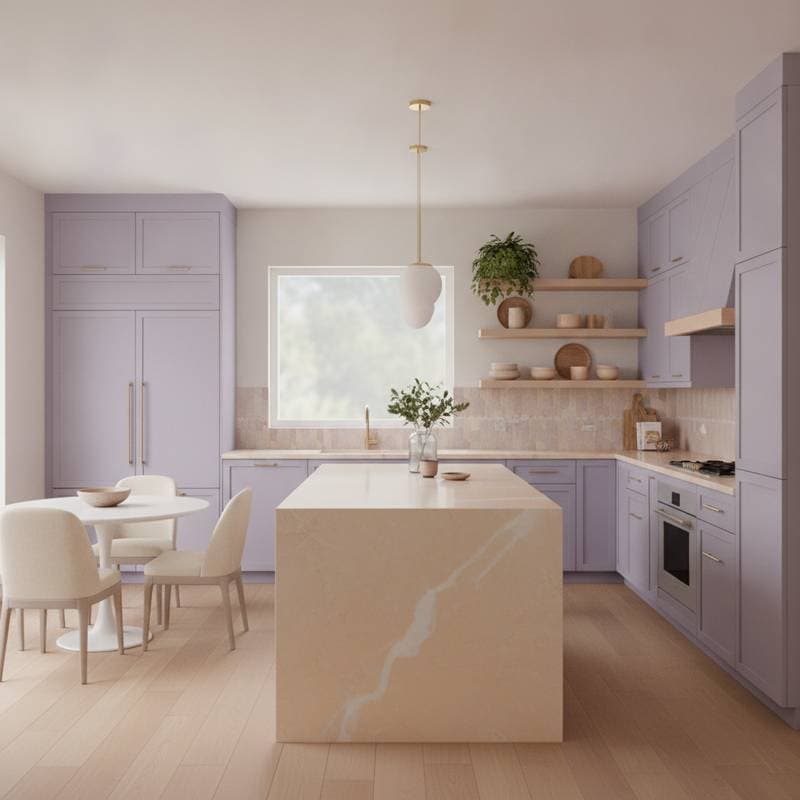
Lavender carries a calm, airy presence that transforms ordinary kitchens into relaxing retreats. Its subtle purple base blends cool and warm undertones. Homeowners are drawn to its versatility because it appears sophisticated when paired with gray or ivory and playful when mixed with natural wood.
Peach brings warmth and light. It captures the gentle glow of morning sunshine and pairs beautifully with both traditional and modern styles. The color feels friendly without being overwhelming. It complements materials such as marble, brass, and natural oak. When used together, lavender and peach create harmony that feels both nostalgic and fresh.
Why These Colors Fit Modern Kitchens
Kitchens have become more than cooking zones. They serve as gathering spaces where people work, socialize, and recharge. The new direction in kitchen color design favors hues that support well-being and emotional balance.
Lavender and peach fit this goal through several practical qualities. Soft contrast allows the cool undertone of lavender to temper the warmth of peach. Light reflection brightens interiors without harsh glare, making smaller kitchens appear more spacious. Mood elevation occurs because lavender promotes calm focus while peach adds energy and optimism.
Designers also appreciate how these shades adapt to lighting. Natural daylight enhances their vibrancy. Evening lighting deepens their richness. This dynamic quality gives homeowners a kitchen that feels alive throughout the day.
Project Cost Breakdown
Updating a kitchen color palette can be as simple as repainting cabinets or as involved as a full renovation. Understanding the cost helps set realistic expectations.
Average Cost Ranges
- Basic project: 1200 to 2500 dollars for repainting walls and trim with standard finishes
- Standard project: 3000 to 6000 dollars for repainting cabinets, walls, and accent features with mid-range materials
- Premium project: 7000 to 12000 dollars for full refinishing, premium paints, and decorative finishes
What Is Included
Surface preparation covers cleaning, sanding, and priming. Two coats of high-quality paint deliver uniform coverage. Minor repairs address drywall or wood surfaces. Protective sealants and cleanup complete the work.
What Costs Extra
Cabinet hardware replacement or refinishing adds 200 to 800 dollars. Custom color mixing or designer consultation adds 150 to 500 dollars. Specialty finishes such as matte lacquers or metallic accents add 300 to 1000 dollars. Correction of prior paint damage or moisture issues varies by scope.
Factors That Affect Final Cost
| Factor | Cost Impact | Examples |
|---|---|---|
| Surface condition | Moderate | Cracked or peeling paint requires extra sanding and priming |
| Paint quality | High | Premium paints with advanced pigments increase durability and color depth |
| Kitchen size | High | Larger spaces require more labor and materials |
| Accent details | Moderate | Two-tone schemes or decorative finishes add time and product use |
The Process from Start to Finish
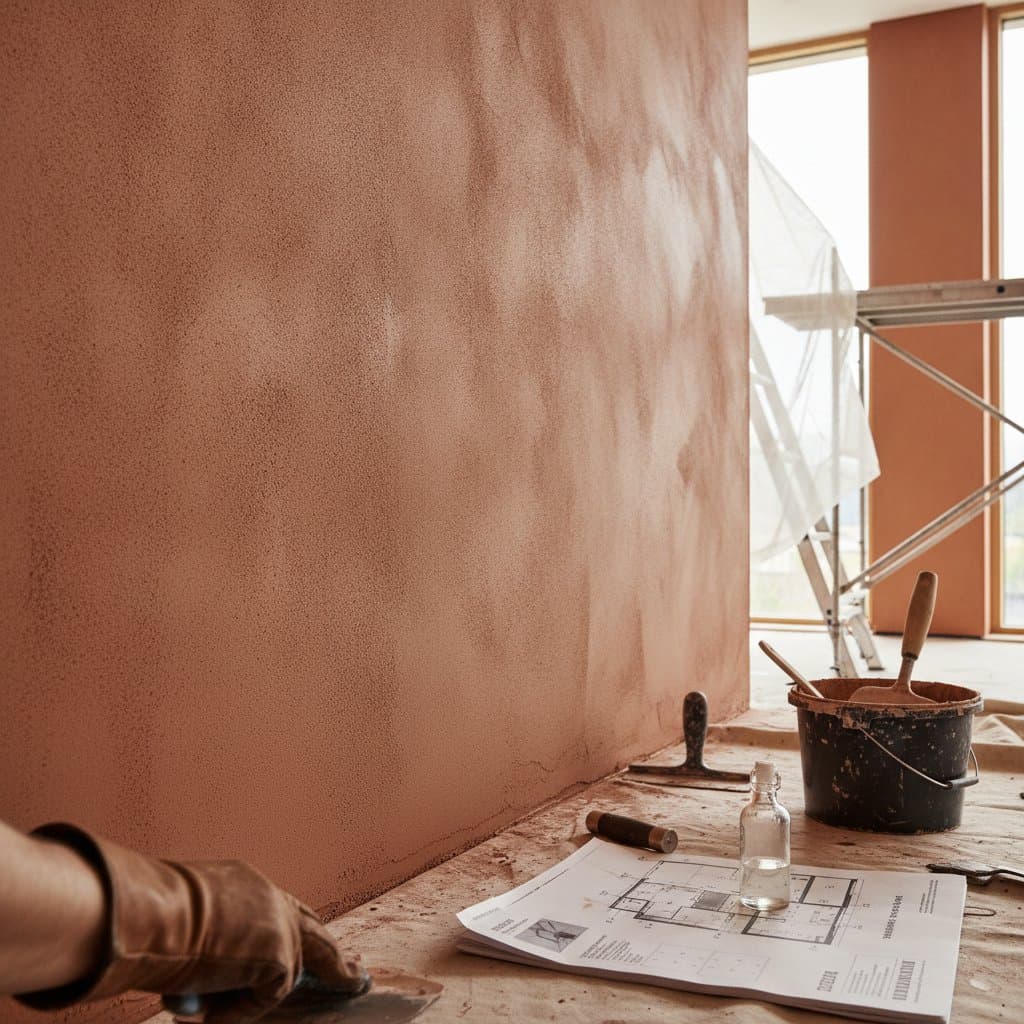
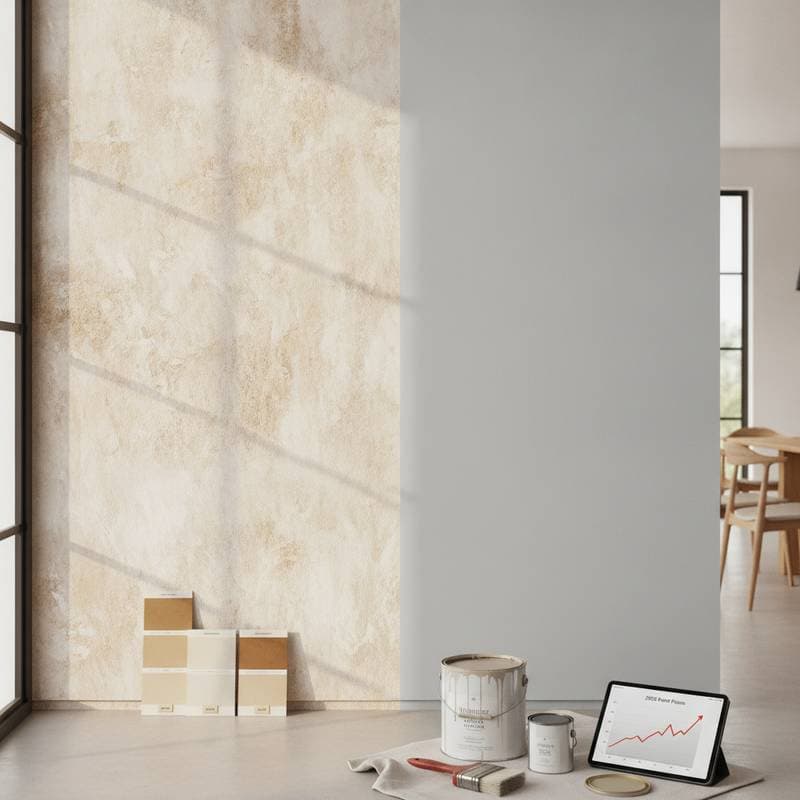
A professional painting project typically follows several stages. Consultation and color selection allow homeowners to choose shades that suit lighting and design goals. Lavender may serve as a wall color while peach highlights backsplashes or cabinetry. Preparation requires surfaces to be cleaned, sanded, and repaired. Proper prep ensures smooth coverage and lasting results. Priming proves especially important when covering darker colors or glossy finishes. Painting and detailing use multiple thin coats to provide even tone and prevent streaking. Inspection and touch-ups ensure edges, corners, and finishes meet professional standards.
A full kitchen repaint often takes three to five days, depending on size and complexity.
DIY versus Professional Painting
Some homeowners consider painting their own kitchens to reduce costs. While DIY can work for small spaces or accent walls, larger projects often benefit from professional expertise.
DIY offers lower upfront cost, flexible timing, and satisfaction of hands-on work. However, it requires proper equipment and ventilation. Risk of uneven finishes or drips exists. Completion time often doubles that of a professional crew.
Professional work delivers consistent color quality and durability. It provides faster turnaround and proper surface preparation and cleanup. The main drawback is higher labor cost and the need to schedule around contractor availability.
For high-traffic kitchens or detailed cabinetry, hiring professionals delivers a cleaner, longer-lasting result.
Selecting the Right Contractor
Finding the right painter for a lavender and peach kitchen requires careful research. Check licensing and insurance to ensure the contractor carries liability and worker protection coverage. Review previous projects for kitchens featuring similar light-toned palettes. Request multiple quotes to compare not only price but also paint brands, preparation steps, and timeline. Ask for references and contact past clients to evaluate reliability and quality. Read the contract carefully to confirm that color samples, number of coats, and finish types are clearly listed.
Clear communication helps avoid misunderstandings and ensures the final colors match expectations.
Planning Your Project
Remove small appliances and decorative items before work begins. Empty cabinets if doors and interiors will be painted. Confirm color samples under different lighting to prevent surprises. Schedule work during a period with minimal kitchen use.
Frequently Asked Questions
How much does it cost to paint a kitchen in lavender and peach?
A typical kitchen repaint ranges from 3000 to 6000 dollars for walls and cabinets with mid-range materials. Prices rise for specialty finishes or complex color combinations.
How long does a kitchen painting project take?
Most professional crews complete kitchen painting in three to five days. Extra time may be needed for detailed cabinetry or extensive prep work.
Can I paint my kitchen myself to save money?
Yes, but only if you have proper tools and patience. DIY painting can save labor costs, though results often differ from professional work. Large surfaces and cabinetry benefit from expert preparation and precision.
How do I choose between lavender and peach for my kitchen?
Consider lighting and mood. Lavender works well in cooler light or modern settings, while peach warms up spaces with limited sunlight. Using both in balance creates depth and visual interest.
What should I look for in a painting contractor?
Look for experience with interior kitchen projects, proof of insurance, and detailed written estimates. Review samples of previous work and confirm the brand and finish of paints used.
What common problems occur during kitchen repainting?
Moisture near sinks or cooking areas can cause paint to bubble or peel. Proper priming and using moisture-resistant finishes prevent these issues. Always ensure surfaces are fully cleaned and dried before painting.
Next Steps for Your Kitchen Transformation
Begin by testing lavender and peach samples in your actual lighting conditions. Consult a licensed painter to review surface conditions and receive a detailed estimate. This approach ensures the final result supports daily comfort and lasting visual appeal.