Why Japandi Color Palettes Are Revolutionizing Interior Design
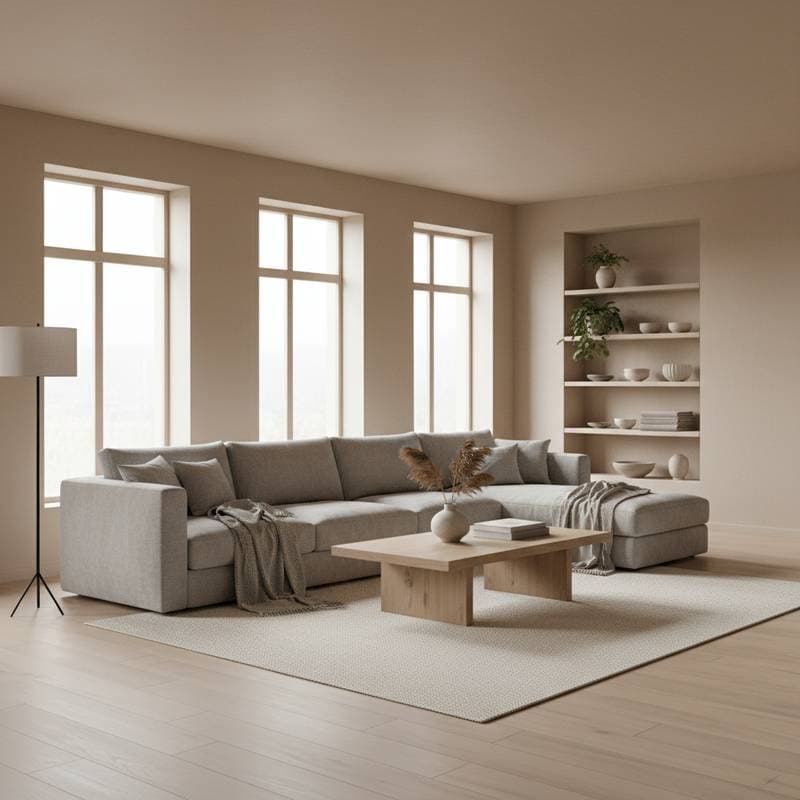
Japandi design emerges as a leading force in contemporary interiors. This fusion of Japanese minimalism and Scandinavian functionality prioritizes serene environments, organic materials, and harmonious color schemes. At its core, the Japandi palette delivers modern sophistication paired with enduring appeal, drawing interest from homeowners, designers, and painting specialists alike.
These colors craft spaces that promote balance and ease. Professionals apply them to evoke a sense of grounded elegance, transforming ordinary rooms into mindful retreats.
Core Principles of Japandi Design
Japandi draws from Japanese wabi-sabi, which celebrates imperfection and harmony, and Scandinavian hygge, which values comfort and practicality. Together, these influences yield interiors that balance restraint with invitation. Spaces appear uncluttered yet nurturing, emphasizing quality over excess.
The palette embodies this ethos with subdued neutrals and nature-inspired hues. It favors low-sheen surfaces and gentle contrasts, steering clear of vibrant pops or shiny varnishes. Such choices highlight natural light and textures, fostering an atmosphere of quiet refinement.
Essential Colors in Japandi Schemes
Japandi interiors start with a base of versatile neutrals. These shades provide a canvas for integrating wood grains, stone elements, and fabric layers. Key components include:
- Warm whites infused with cream undertones for subtle brightness
- Greige blends of gray and beige to add nuanced depth
- Soft taupes and earthy browns for stable anchoring
- Muted blacks applied judiciously to define boundaries
- Faded greens or soft blues as restrained accents
This selection ensures light circulates freely, promoting a soothing ambiance. The result suits expansive layouts or compact areas, maintaining visual poise throughout.
Reasons Japandi Colors Resonate in Today's Homes
Modern living demands respite from constant stimuli. Japandi palettes deliver that sanctuary through measured tones that encourage focus and calm. Homeowners appreciate how these colors adapt to varied furnishings, supporting seamless updates over time.
Versatility extends to architectural styles, from sleek urban dwellings to rustic retreats. The hues pair effortlessly with timber accents, mineral surfaces, and plush fabrics, preventing any sense of discord.
For painting experts, these shades prove forgiving in upkeep. Matte formulations in pale ranges conceal light wear, while natural pigments develop a patina that enhances character. This blend of aesthetics and utility positions Japandi as a smart choice for sustained habitation.
Breaking Down Project Expenses
Typical Price Ranges
- Basic room refresh: $2,000 to $3,500
- Full-home standard update: $4,000 to $7,500
- High-end custom application: $8,000 to $12,000
Standard Inclusions
- Thorough surface prep and primer layers
- Application of two coats using premium matte or eggshell products
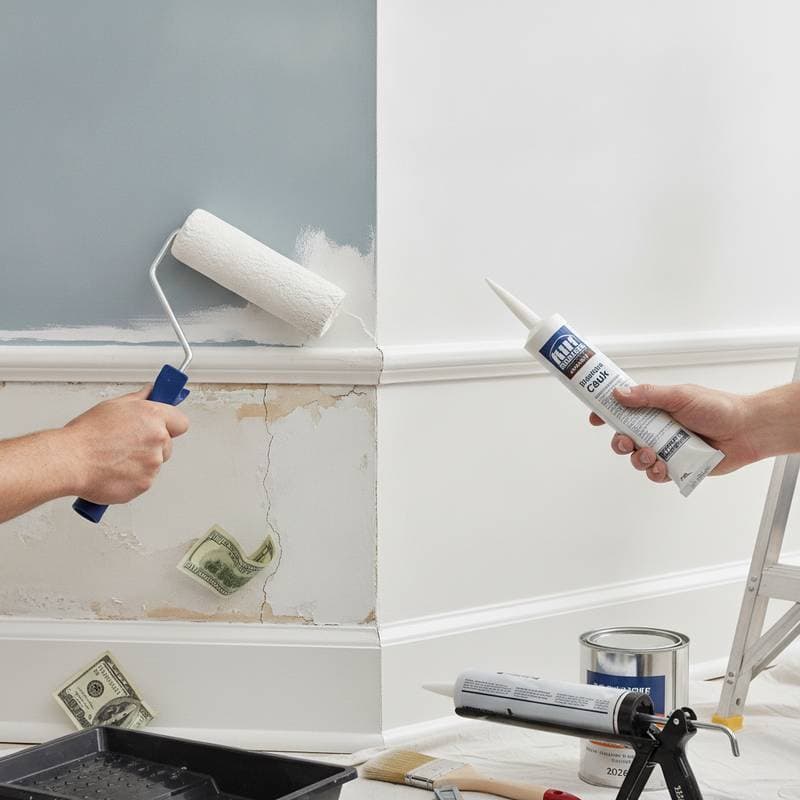
- Basic repairs to walls and sealant work
- Site cleanup plus walkthrough verification
Additional Expenses
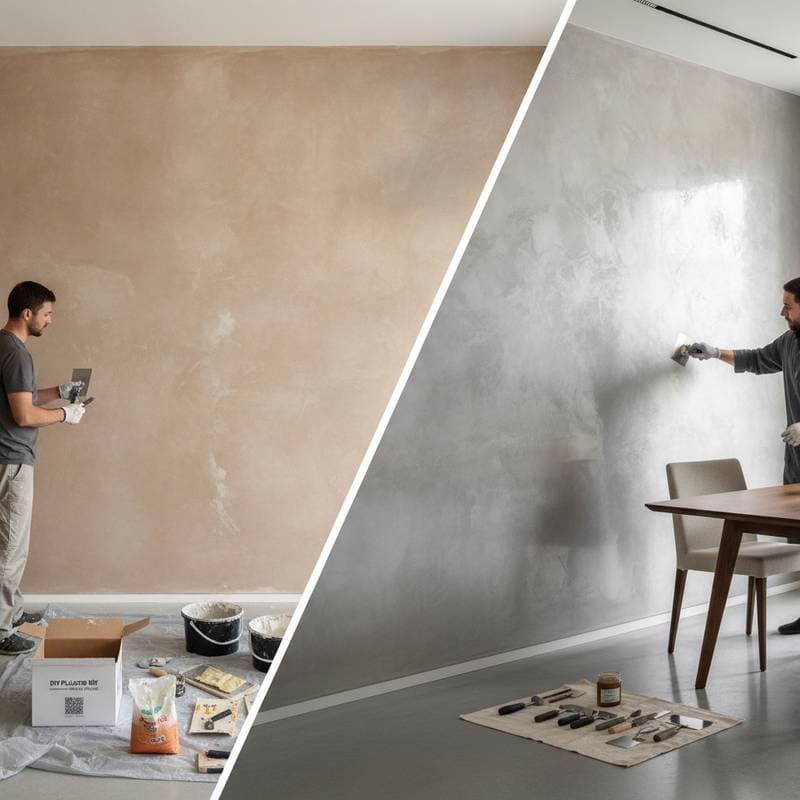
- Textured effects like limewash or plaster: $8 to $15 per square foot
- Bespoke shade formulation or layered patterns
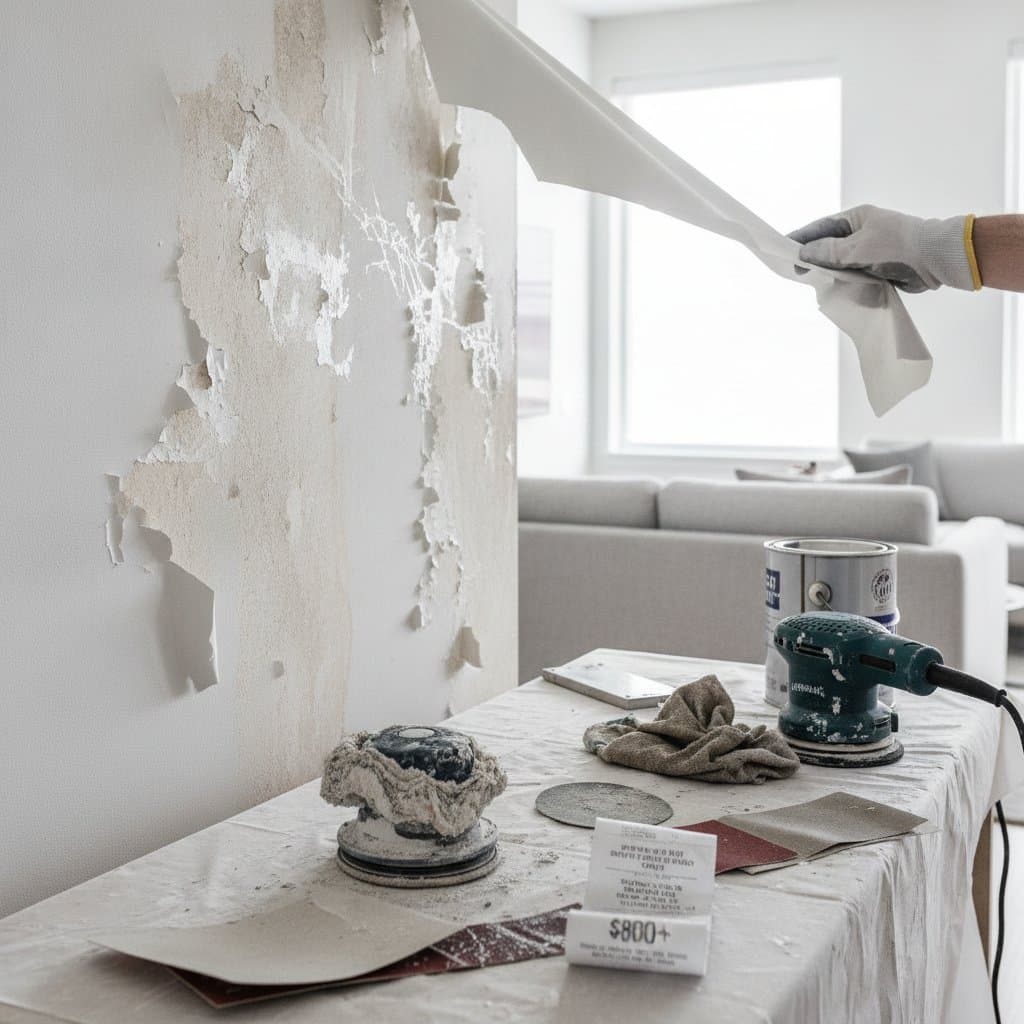
- Removal of old coverings or extensive fixes
Influences on Total Pricing
| Factor | Impact on Cost | Specific Instances |
|---|---|---|
| Material Grade | Premium options extend life | Low-VOC matte paints from top brands |
| Surface State | Prep work raises labor | Filling cracks or treating dampness |
| Area Dimensions | Scale drives material use | Vast kitchens or multi-room homes |
| Design Elements | Complexity adds time | Highlight walls or intricate trim |
Expert Techniques for Japandi Applications
Skilled painters initiate Japandi projects with a thorough evaluation of surfaces and illumination. Subtle variations in shade require testing under both daylight and fixtures to capture the intended serenity.
Flat or eggshell sheens dominate, diffusing light softly without harsh reflections. Coverage aims to amplify inherent textures, not mask them. Often, walls and moldings receive near-matching tones, softening transitions for a fluid, restful expanse.
Weighing Professional Services Against DIY Efforts
Homeowners might tackle modest areas independently, yet Japandi demands finesse in hue selection. Minor shifts in base notes can alter room dynamics dramatically. Experts excel in blending colors, adapting to light, and layering finishes for deliberate outcomes.
Self-directed attempts cut initial costs but risk imbalances that prove expensive to remedy. Professionals handle prep meticulously, ensure even applications, and secure the velvety matte quality central to the aesthetic.
Steps to Ready Your Space for Japandi Transformation
Homeowners prepare by:
- Analyzing light patterns across times of day to select fitting shades.
- Clearing excess items, as the style flourishes in open simplicity.
- Choosing complementary elements like pale timbers, breathable linens, and raw stones.
- Collaborating with painters on trial sections prior to widespread use.
During execution, regular updates from the team align on sheen uniformity and cure periods. Post-project, permit full hardening before reintroducing decor or pieces.
Addressing Common Queries on Japandi Painting
What Drives the Expense of a Japandi Refresh?
Pricing hinges on existing wall integrity, product standards, and shade variety. Monochromatic neutrals keep budgets lower than accented designs. Opting for durable, eco-friendly mattes elevates costs yet ensures lasting performance.
How Much Time Does a Full Project Require?
Completing an entire residence spans one to two weeks, factoring in prep and ambient conditions. Isolated zones like studies or dens finish in a few days, assuming good airflow and coordinated timing.
Can Homeowners Handle Japandi Painting Themselves?
Small-scale efforts suit capable individuals, though nuanced shades call for adept choices and uniform layers. Specialists better capture the gentle, organic essence through practiced methods.
How to Select a Painter Skilled in Japandi?
Seek contractors versed in subdued sheens and neutral ranges. Examine past portfolios, confirm credentials and coverage, and insist on preview swatches to validate selections upfront.
What Occurs During the Painting Phase?
Anticipate meticulous cleaning, prototype testing, and several light applications for flawless results. Teams prioritize tidy operations and share progress reports for ongoing assurance.
How to Preserve Japandi Finishes Long-Term?
Employ soft, residue-free solutions and skip aggressive abrasion. Routine light dusting and careful dabs maintain the soft glow. Store surplus paint for precise future repairs.
Realizing Timeless Serenity in Your Home
Embracing Japandi palettes invites lasting tranquility into daily life. These colors not only beautify but also support mindful routines and practical needs. Partner with seasoned professionals to translate vision into a cohesive, nurturing environment that endures.