Why Charcoal and Terracotta Dominate 2025 Kitchen Designs
Homeowners seek colors that ground spaces in sophistication while fostering comfort. Charcoal and terracotta emerge as frontrunners in this shift, infusing kitchens with layered depth and organic allure. These hues craft environments that blend contemporary edge with enduring charm, ideal for comprehensive remodels or targeted updates like cabinet refreshes or wall repaints.
The Versatility of Charcoal in Kitchen Settings
Charcoal delivers a profound, adaptable gray that suits diverse aesthetics from minimalist to rustic. It establishes a subtle foundation that amplifies contrasting elements such as white quartz counters, oak cabinetry, or polished nickel hardware. This interplay sharpens sightlines and accentuates details like custom moldings or integrated appliances.
Practically, charcoal excels in busy kitchens by masking fingerprints, splatters, and light scratches far better than pale shades. Apply it to base cabinets, islands, or perimeter walls to achieve a refined, urban vibe that avoids sterility. Select eggshell finishes for easy wipe-downs, ensuring the color retains its intensity under fluorescent or natural light.
Infusing Warmth with Terracotta
Terracotta counters charcoal's subtlety with its lively, sun-warmed essence reminiscent of aged pottery. This reddish-brown hue grounds kitchens in nature, promoting a cozy ambiance that encourages gatherings. It integrates seamlessly with textured elements like reclaimed wood shelves, limestone tiles, or rattan barstools, softening sleek modern lines.
Position terracotta on feature walls, range hoods, or open shelving to evoke Mediterranean or Southwestern influences. It harmonizes with potted herbs, linen textiles, and aged brass accents, adding character without dominating. For subtlety, dilute with white trim to prevent overwhelming smaller layouts.
Harmonizing Charcoal and Terracotta for Impact
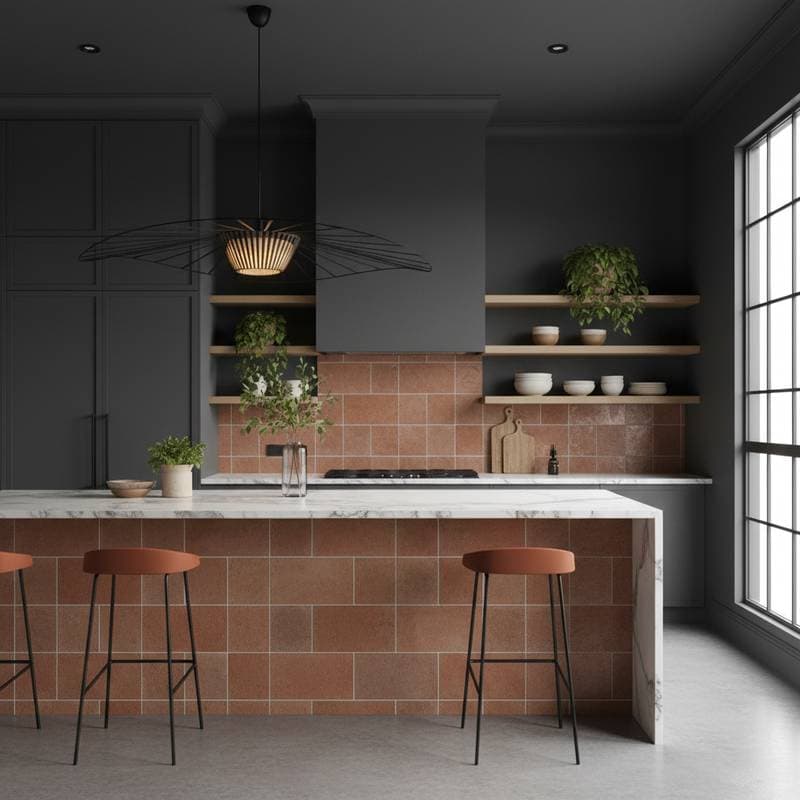
Pairing these colors yields a palette where charcoal's restraint tempers terracotta's boldness, fostering equilibrium and elegance. Consider a charcoal perimeter with terracotta accents on an island or backsplash; this setup generates focal points that draw the eye while maintaining cohesion.
Such combinations adapt to varied textures: pair with matte porcelain floors, brass pulls, or live-edge counters for tactile interest. They bridge classic farmhouse elements and sleek modernism, allowing experimentation with layered lighting like pendants over sinks to highlight tonal shifts.
Estimating Costs for Charcoal and Terracotta Painting Projects
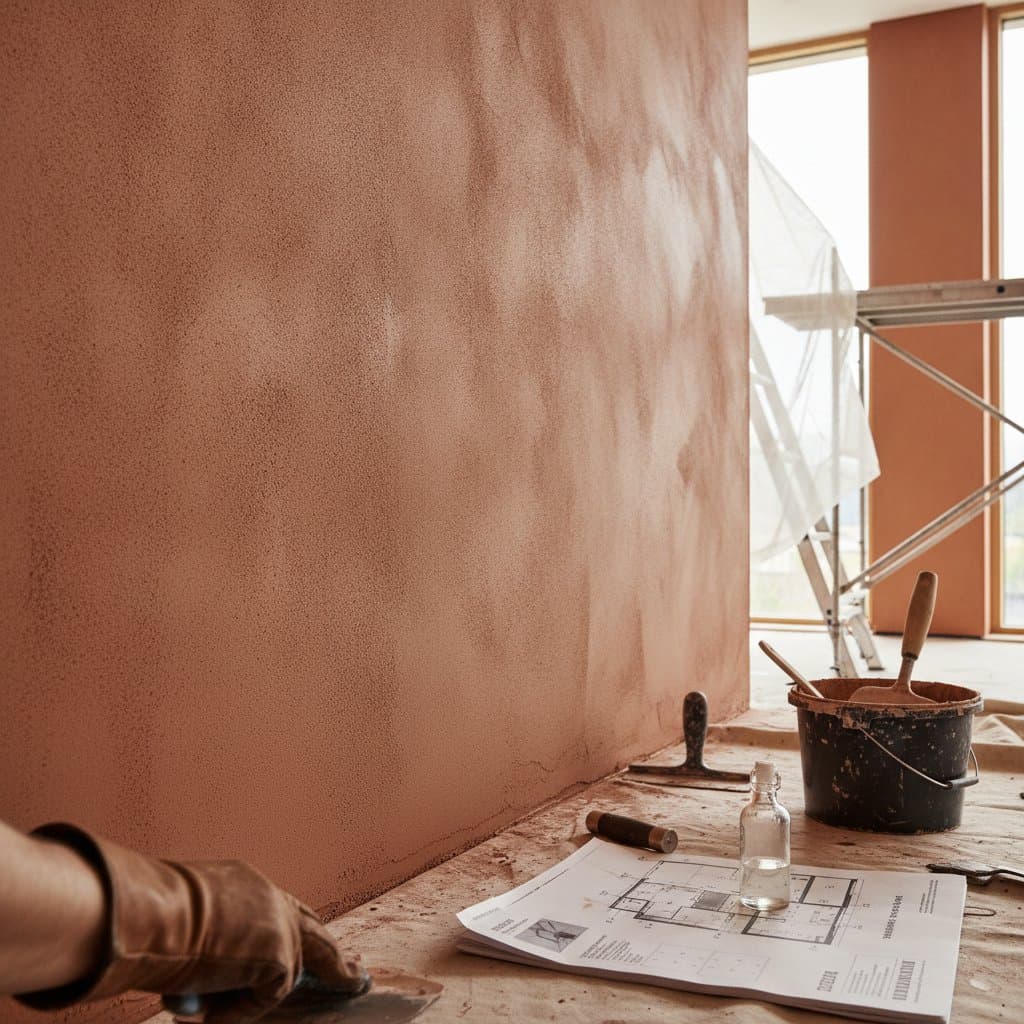
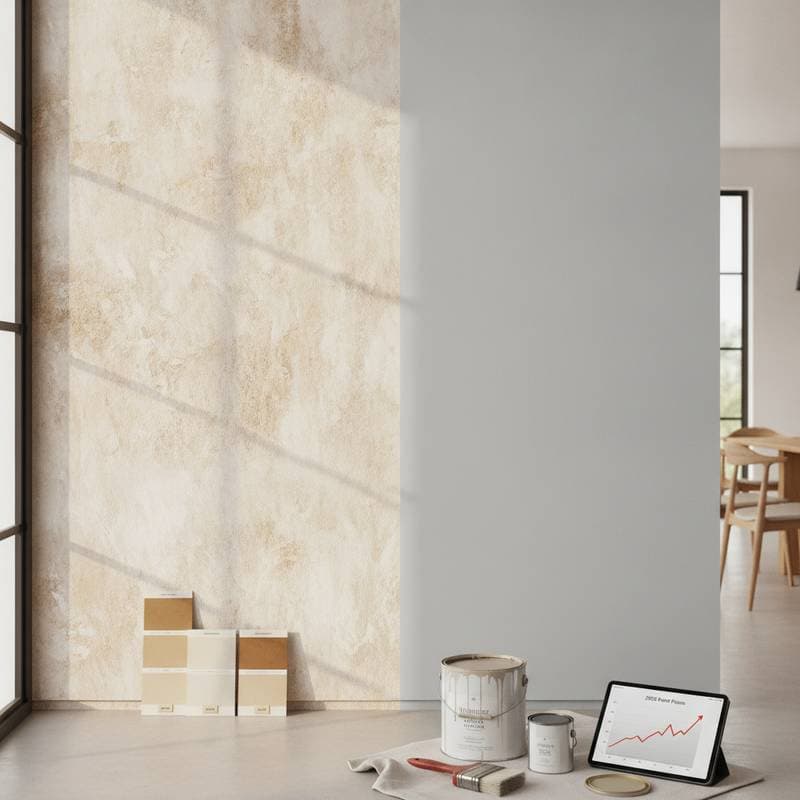
Painting expenses vary based on kitchen dimensions, surface types, and finish selections. Typically, professional services range from $2 to $6 per square foot, covering primer, multiple coats, and cleanup for durable results.
| Project Area | Basic Range | Standard Range | Premium Range | Key Differences |
|---|---|---|---|---|
| Walls | $2 - $4 per sq. ft. | $4 - $6 per sq. ft. | $6 - $8 per sq. ft. | Premium options feature scrub-resistant, eco-friendly formulas |
| Cabinets | $4 - $8 per sq. ft. | $8 - $12 per sq. ft. | $12 - $18 per sq. ft. | Encompasses degreasing, priming, and durable topcoats |
| Accent Features | $50 - $150 each | $150 - $250 each | $250 - $400 each | Custom details like stenciled patterns or metallic sheens |
Opt for satin sheens on high-touch areas to repel grease; they cost 10 to 20 percent more than flat but extend longevity. High-end paints from brands like Benjamin Moore ensure vibrant, fade-resistant charcoal and terracotta that withstand steam and spills.
Key Influences on Painting Expenses
Larger footprints or intricate layouts demand extended time for taping and edging, elevating totals. Pre-existing conditions like oily residues from cooking or peeling layers necessitate thorough degreasing and patching, adding 20 to 30 percent to bills.
Superior paints resist yellowing and offer better coverage, reducing coats needed. Regional labor fluctuates; urban areas command higher fees due to skilled availability. Consult painters for on-site assessments to pinpoint variables like ceiling heights or appliance relocation.
DIY prep, such as hardware removal and light sanding, trims costs without sacrificing outcomes. Schedule during weekdays or shoulder seasons for discounted rates.
Enhancing Home Value Through Strategic Color Choices
These hues elevate kitchens beyond trends, creating unified designs that appeal to broad audiences. Charcoal and terracotta's adaptability supports future updates, preserving appeal over years. A well-executed paint job can increase property worth by 5 to 10 percent via improved functionality and curb appeal.
Building a Realistic Budget for Your Project
Dedicate 10 to 15 percent of overall renovation funds to painting, factoring in samples and minor fixes. Secure multiple bids detailing inclusions like drop cloths and ventilation. Prioritize pros for precision, but test swatches in your lighting to confirm harmony before committing.
Frequently Asked Questions
What Does It Cost to Paint an Average Kitchen in These Colors?
For a 200-square-foot space, anticipate $2,000 to $5,000 total, influenced by cabinet volume and finish durability.
Which Elements Drive Up Kitchen Painting Prices Most?
Expansive surfaces, poor substrate conditions, specialty paints, and peak-season hiring top the list. Detailed millwork doubles effort compared to flat walls.
How Can I Cut Costs While Maintaining Professional Standards?
Perform initial cleaning and masking yourself, select paints with one-coat opacity, and book during slower periods for 15 to 25 percent savings.
Is Professional Help Essential for Kitchen Repaints?
Yes, for uniform application and adhesion in humid environments. Amateurs risk drips or peeling, undermining the investment.
Strategies for Handling Surprise Expenses
Buffer budgets with 10 percent reserves for extras like additional primers or touch-ups. Insist on itemized proposals to track inclusions.
Optimal Timing for Launching a Kitchen Paint Update
Spring or fall minimizes humidity interference with curing. Early planning locks in contractor slots and negotiable pricing.