Why Homebuyers Demand the $3,000 Level 5 Drywall Finish
Prospective buyers inspect more than paint hues or floor materials during home tours. Wall surfaces convey quality through their texture and uniformity. Seamless walls indicate meticulous craftsmanship and precision. For this reason, numerous homebuyers anticipate a Level 5 drywall finish, despite the elevated expense. Homeowners, builders, and remodelers benefit from recognizing the advantages of this upgrade, which has emerged as a benchmark in current construction and preparation for resale.
Understanding the Level 5 Drywall Finish
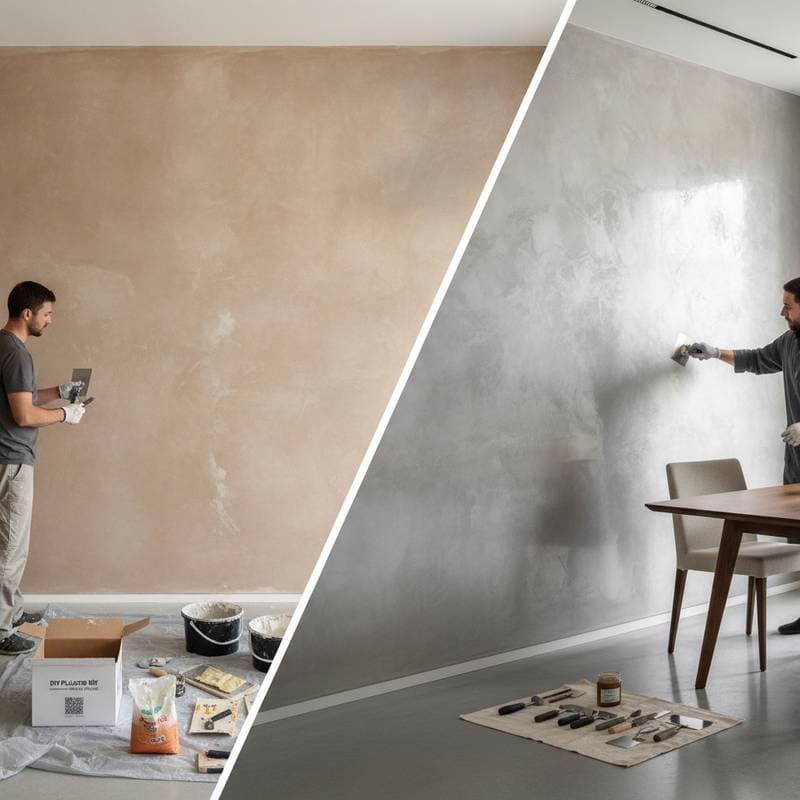
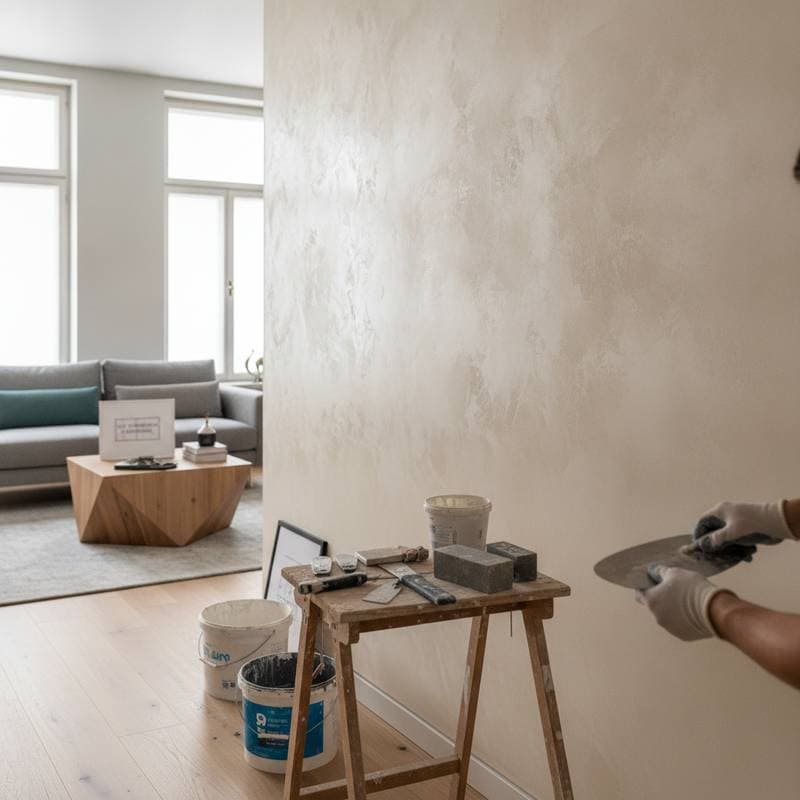
Drywall finishing levels range from 0 to 5, with each denoting a progressive enhancement in smoothness and readiness for painting. The Level 5 finish achieves the pinnacle of this scale. It encompasses every procedure of the Level 4 finish, including taping seams, applying joint compound, and sanding joints. Professionals then apply a skim coat over the full wall surface. This additional layer balances subtle texture variances and yields a surface primed for optimal light reflection and premium paint adhesion.
Buyers and designers prefer this standard because it conceals minor flaws that lesser levels expose, particularly under intense illumination or with sheened paints. The result is a wall that appears uniformly polished in diverse lighting conditions.
Detailed Project Cost Analysis
Typical Cost Estimates
- Basic Level 4 finish: $1,500 to $2,000 for a standard home interior
- Level 5 upgrade: $3,000 to $3,800 for equivalent coverage
- Premium or expansive applications: $4,000 to $5,500, incorporating high-end materials and intricate designs
Core Components Included
- Thorough taping and joint compound layering
- Progressive sanding to achieve even texture
- Comprehensive skim coating on all walls
- Concluding sanding and quality checks prior to priming or painting
Additional Expenses
- Custom ceiling treatments or ornate features
- Corrections to pre-existing drywall damage
- Advanced primers or specialty paint types
- Increased labor for expansive areas or zones with focused lighting
Influences on Total Expenses
| Factor | Cost Influence | Specific Instances |
|---|---|---|
| Wall dimensions and configuration | Elevated for non-standard shapes | Vaulted ceilings or arched elements |
| Lighting conditions | Moderate to significant | Areas with embedded or angled fixtures |
| Paint type | Moderate | High-sheen or semi-gloss varieties that accentuate flaws |
| Pre-existing surface state | Substantial | Areas requiring patching or removal of prior textures |
The Value Buyers Perceive in This Upgrade
The Level 5 finish offers superior aesthetics and functionality in everyday settings. Harsh or ambient light reveals subtle ridges or seams on lesser finishes, even with flat paints. The skim coat mitigates these issues, ensuring even coloration and consistent sheen. Buyers link this refinement to bespoke construction quality, distinguishing the property in resale scenarios.
Over time, the finish demonstrates durability. The skim coat reinforces the substrate and fortifies joints against separation. Consequently, walls maintain clarity with minimal maintenance, avoiding frequent repaints or repairs post-occupancy.
Level 4 Versus Level 5: A Direct Comparison
Level 4 serves as the norm in typical home builds. It suffices in dimly lit spaces with flat paints. However, directional light or any gloss exposes inconsistencies. Level 5 addresses these vulnerabilities comprehensively. In direct observation, Level 4 often displays subtle seam shadows or corner disparities, whereas Level 5 mimics the uniformity of traditional plaster.
For sellers staging a home, this distinction shapes buyer impressions. Although few articulate the method, they frequently praise the walls as exceptionally smooth or upscale. Such perceptions accelerate negotiations and bolster the final sale price.
Scenarios for Selecting Level 5
Opt for Level 5 in spaces featuring:
- Abundant natural or artificial light
- Sheened or semi-sheened paints
- Expansive, open floor plans with prominent walls
- Elaborate moldings or targeted illumination
This level proves less essential in utility zones like garages or unfinished basements, where ambient conditions tolerate imperfections. In primary rooms, foyers, and kitchens, the expenditure yields tangible aesthetic and economic returns.
Collaborating with Drywall and Painting Experts
Securing qualified specialists proves crucial for a Level 5 outcome. The technique demands expertise, methodical pacing, and precise equipment. During consultations, inquire about:
- Proficiency in skim coating and precision sanding
- Examples of prior Level 5 installations or client endorsements
- Strategies for minimizing dust and preparing adjacent areas
- Projected schedules accounting for drying, sanding, and priming phases
Anticipate a multi-day timeline influenced by environmental factors like humidity and spatial scale. Each compound layer requires full curing before subsequent sanding or recoating. Reputable teams handle debris management to safeguard unaffected home sections.
Steps for Executing Your Upgrade
Prior to commencement, assess lighting schemes, intended paint sheens, and current wall integrity. Facilitate the work by vacating rooms, shielding floors, and detaching fixtures. Post-application, permit complete curing before applying finishes. Rigorous checks at intervals guarantee an impeccable end result.
The Level 5 drywall finish stands as a prominent enhancement in residential interiors. It embodies thoughtful execution and enduring elegance. For an investment of about $3,000, owners elevate ordinary spaces to sophisticated, resilient standards that resonate with discerning buyers.
Frequently Asked Questions
Why does the Level 5 finish incur higher costs than routine drywall tasks?
The process demands additional time and resources. Applicators spread skim coat material over the entire wall area, beyond mere joints. This necessitates extended labor, repeated sanding sessions, and heightened material use, all contributing to the premium pricing.
How much time does a Level 5 project typically require?
Projects span three to five days, varying with curing periods and room dimensions. Each compound application must fully set before sanding or additional layers, prolonging the duration relative to basic levels.
Is it feasible for homeowners to achieve a Level 5 finish independently?
Experienced individuals may attempt it, but attaining flawless results without professional-grade tools and methods presents difficulties. Uniform skim coating relies on steady application and precise timing, prompting most to engage contractors for optimal outcomes.
What qualities define a reliable drywall finishing contractor?
Seek verifiable references, inspect completed projects, and verify credentials including licenses and coverage. Competent professionals articulate their methodology, furnish itemized estimates, and sustain transparent dialogue throughout the engagement.
Does a Level 5 finish elevate a home's market value?
Impeccable walls forge lasting positive impressions in viewings. Although quantifying the exact financial uplift varies, the upgrade refines the property's allure and expedites interest from qualified purchasers.
What upkeep does a Level 5 finish demand?
Routine dusting and minor paint corrections suffice in most cases. Steer clear of abrasive cleaners that risk surface damage. With diligent maintenance, the refined texture endures for extended periods.