The Role of 220-Grit Sandpaper in Achieving Professional Paint Finishes
A smooth paint finish requires meticulous surface preparation. Professional painters emphasize that the choice of sandpaper grit plays a critical role in adhesion and durability. Among these options, 220-grit sandpaper stands out for its ability to refine surfaces without compromising the necessary texture for paint bonding.
Homeowners often overlook the importance of grit selection during preparation. This oversight leads to uneven application and premature wear. Understanding the specific benefits of 220-grit ensures projects yield results comparable to expert work.
Grit Basics: Sizes and Their Applications
Sandpaper grit refers to the size of abrasive particles embedded in the material. Lower grits, such as 60 or 80, feature larger particles that remove substantial material and smooth rough areas efficiently. Higher grits, including 180, 220, and 320, employ finer particles to polish surfaces and ready them for finishes.
Each grit builds upon the previous one in a progressive sequence. This method prevents deep scratches that coarser papers might leave behind. Proper progression guarantees a flawless base for painting.
The 220-grit level occupies an ideal position in this spectrum. It eliminates minor imperfections while preserving sufficient surface tooth for primer and paint to adhere securely. This grit suits a range of materials, from wood to drywall, making it versatile for most interior projects.
Key Benefits of Using 220-Grit Sandpaper
Professionals favor 220-grit for its capacity to produce a consistent surface texture. Paint requires a subtle roughness to form a strong mechanical bond; without it, coatings may peel or crack over time. A 220-grit finish delivers this balance, resulting in enhanced durability and visual appeal.
This grit effectively addresses common surface issues. It flattens raised wood fibers, smooths primer roller marks, and removes fine drywall dust. As the final sanding step before painting or an inter-coat refinement, it minimizes visible flaws and promotes even coverage.
The outcome appears in the tactile quality of the surface. It feels velvety smooth yet grips paint reliably. Such preparation extends the lifespan of the finish and reduces the need for frequent maintenance.
Cost Analysis for Sanding Projects
Typical Price Ranges
- Basic projects: $80 to $200
- Standard projects: $200 to $500
- Premium projects: $500 to $1,000
Standard Inclusions
- Initial surface cleaning and assessment
- Application of progressive sanding grits
- Dedicated 220-grit refinement
- Thorough dust removal and quality check prior to painting
Additional Expenses
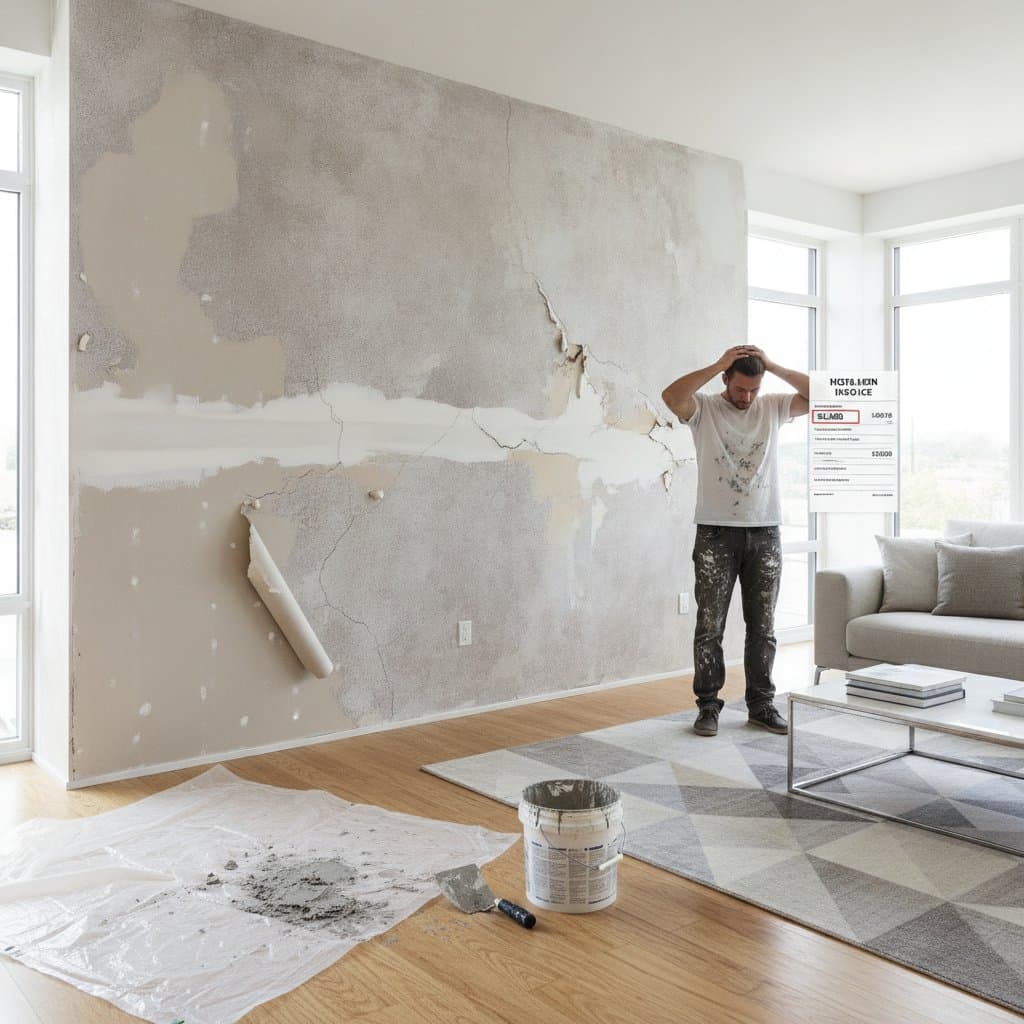
- Repairs for extensive damage or patching
- Rental of specialized sanding tools or blocks
- Implementation of dust extraction equipment
- Increased labor for expansive or intricate areas
Influences on Total Expenses
| Factor | Impact Level | Specific Examples |
|---|---|---|
| Surface Type | Moderate | Wood demands more time than smooth drywall |
| Existing Condition | High | Heavily damaged spots extend preparation |
| Project Scale | Moderate | High ceilings or large rooms raise costs |
| Tool Selection | Low to Moderate | Electric sanders speed work but incur fees |
These elements help budget accurately. Early evaluation of the site clarifies potential extras.
Step-by-Step Sanding Procedure
Begin with a thorough inspection of the surface. Identify dents, scratches, or remnants of old paint that require attention. Start with coarse grits like 80 or 100 to level the area and strip away loose material.
Progress to medium grits of 150 or 180 to further refine the texture. This intermediate stage smooths out broader irregularities. Once uniformity emerges, apply 220-grit for the essential polishing phase that primes the surface for coatings.
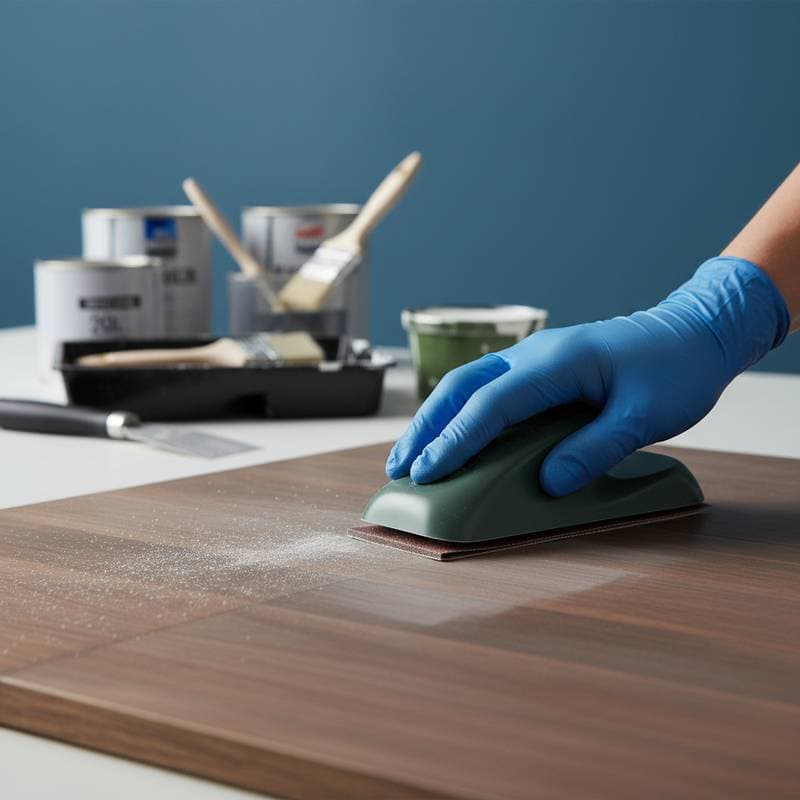
Adopt techniques suited to the material: sand along the grain for wood to avoid cross scratches, and use gentle circular motions on drywall for even coverage. Between each grit transition, wipe the surface with a tack cloth or employ a vacuum to eliminate debris. This practice safeguards against contamination during subsequent passes.
DIY Sanding Versus Professional Services
Individuals with basic skills can manage sanding on smaller scales, such as furniture restoration or minor trim work. Simple tools like sanding blocks suffice, provided one applies steady, even pressure. Patience proves essential to achieve professional-level smoothness.
Larger undertakings, including full-room walls or ornate moldings, benefit from expert intervention. Professionals wield advanced equipment that ensures uniform results and efficient dust management. Their experience prevents common errors that lead to rework.
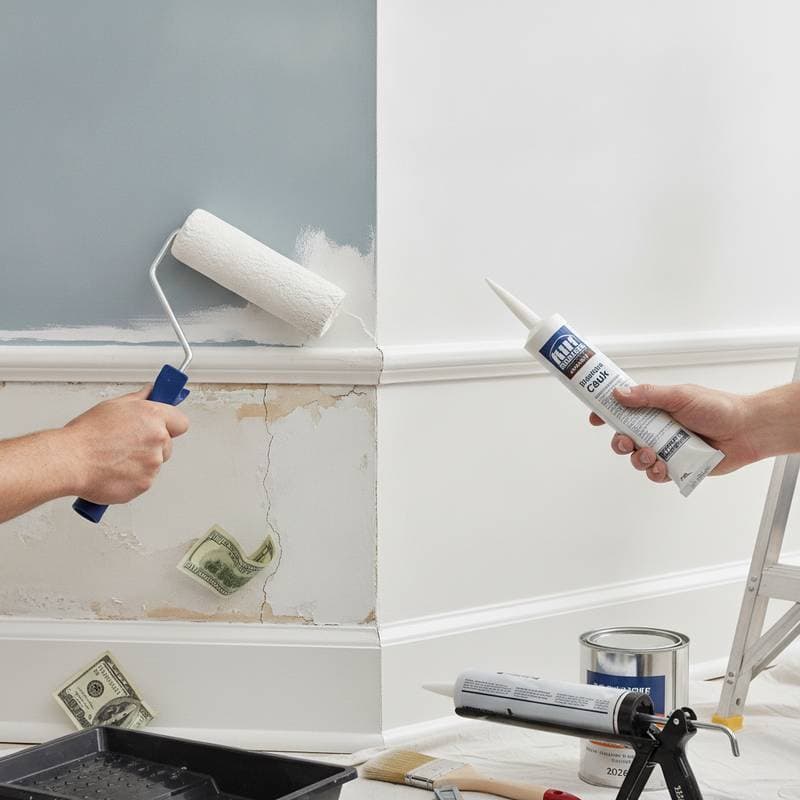
Opting for DIY saves on immediate costs but demands significant time investment. Hiring specialists involves higher fees yet yields superior outcomes, often offsetting expenses through longevity and reduced future repairs.
Selecting a Qualified Contractor
Evaluate contractors based on their experience with surface preparation tasks. Seek those who detail their sanding protocols, including grit progression and dust control measures, in proposals. Verify licensing, insurance, and positive client references to confirm reliability.
Request a walkthrough of the project site to discuss specifics. Inquire about timelines, material handling, and post-sanding inspections. Choose providers who communicate clearly and align with your vision for the finished result.
A reputable contractor integrates 220-grit sanding seamlessly into the workflow. This approach guarantees the foundation supports high-quality painting without surprises.
Essential Preparations Before Sanding
Clear the workspace to facilitate access and minimize disruptions. Cover floors, furniture, and fixtures with drop cloths to protect against dust accumulation. Ensure adequate lighting to spot imperfections accurately.
Gather necessary supplies: an assortment of grits, sanding tools, cleaning cloths, and safety gear like masks and goggles. Test the surface moisture levels, as damp areas may require drying before proceeding. These steps set the stage for efficient, effective sanding.
Organize the sequence in advance. Plan breaks for cleanup to maintain a dust-free environment. Proper setup reduces frustration and enhances overall project success.
Common Queries on Sanding and Preparation
What Is the Typical Cost for Professional Sanding?
Standard wall or wood preparation ranges from $200 to $500. Factors such as area size, surface state, and repair needs influence the final figure. Detailed work on trim or cabinets often incurs additional charges for precision.
How Long Does Surface Preparation Take?
A standard room demands one to two days, encompassing cleaning, sanding, and verification. Expansive or multifaceted projects extend this duration due to varied surfaces and layers.
Is 220-Grit Suitable for All Surfaces?
It excels as a final smooth for wood and drywall. Coarser starts apply to rough conditions, while finer options like 320 suit glossy or sensitive finishes.
Key Qualities in a Surface Prep Contractor?
Prioritize inclusion of sanding in contracts, adherence to grit sequences, and robust dust management. Confirm credentials through licenses, insurance, and testimonials. Establish clear expectations via detailed discussions.
Does Sanding Between Coats Matter?
A light 220-grit pass between layers enhances bonding and evens out inconsistencies. This technique proves vital for wood elements and cabinetry to secure a seamless appearance.
Avoidable Sanding Pitfalls?
Steer clear of omitting grit steps, applying excessive force, or neglecting inter-stage cleaning. Over-sanding risks excessive smoothness that hampers adhesion. Maintain light, uniform pressure and meticulous debris removal for optimal outcomes.
Elevate Your Painting Results
Incorporating 220-grit sandpaper elevates any project from adequate to exceptional. This step invests in adhesion, smoothness, and endurance that withstand daily use. Whether tackling DIY tasks or enlisting experts, prioritize this refinement to realize finishes that impress and last.