Why Wet Sanding Enhances Paint Adhesion
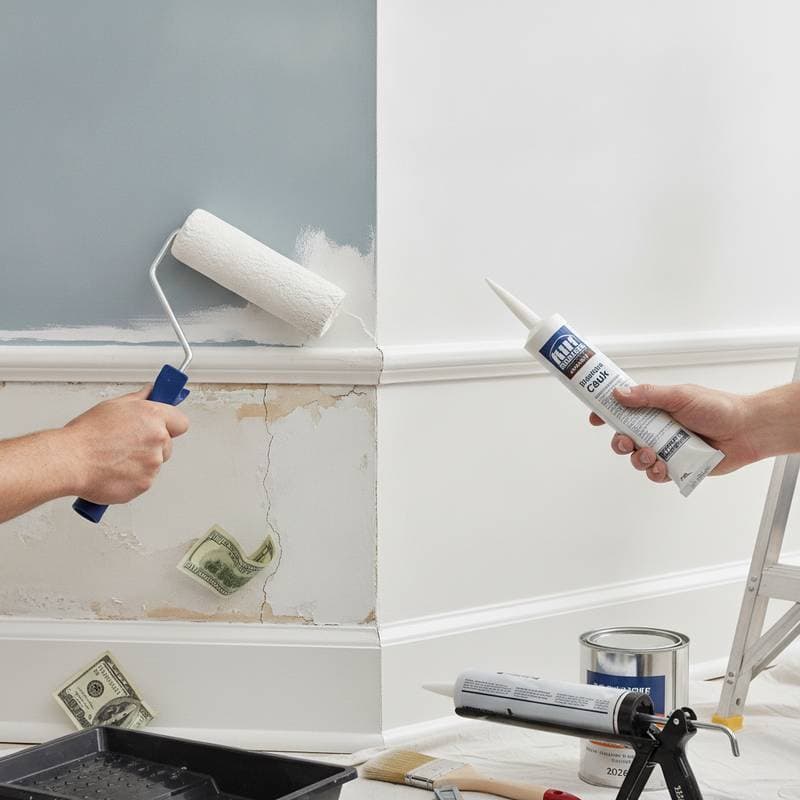
Proper surface preparation determines the longevity of any paint job. Wet sanding serves as an essential technique that creates a clean, textured foundation for paint to adhere firmly. This process applies to various materials, including drywall, wood, cabinets, and metal, transforming ordinary applications into durable, professional results.
Understanding the Wet Sanding Process
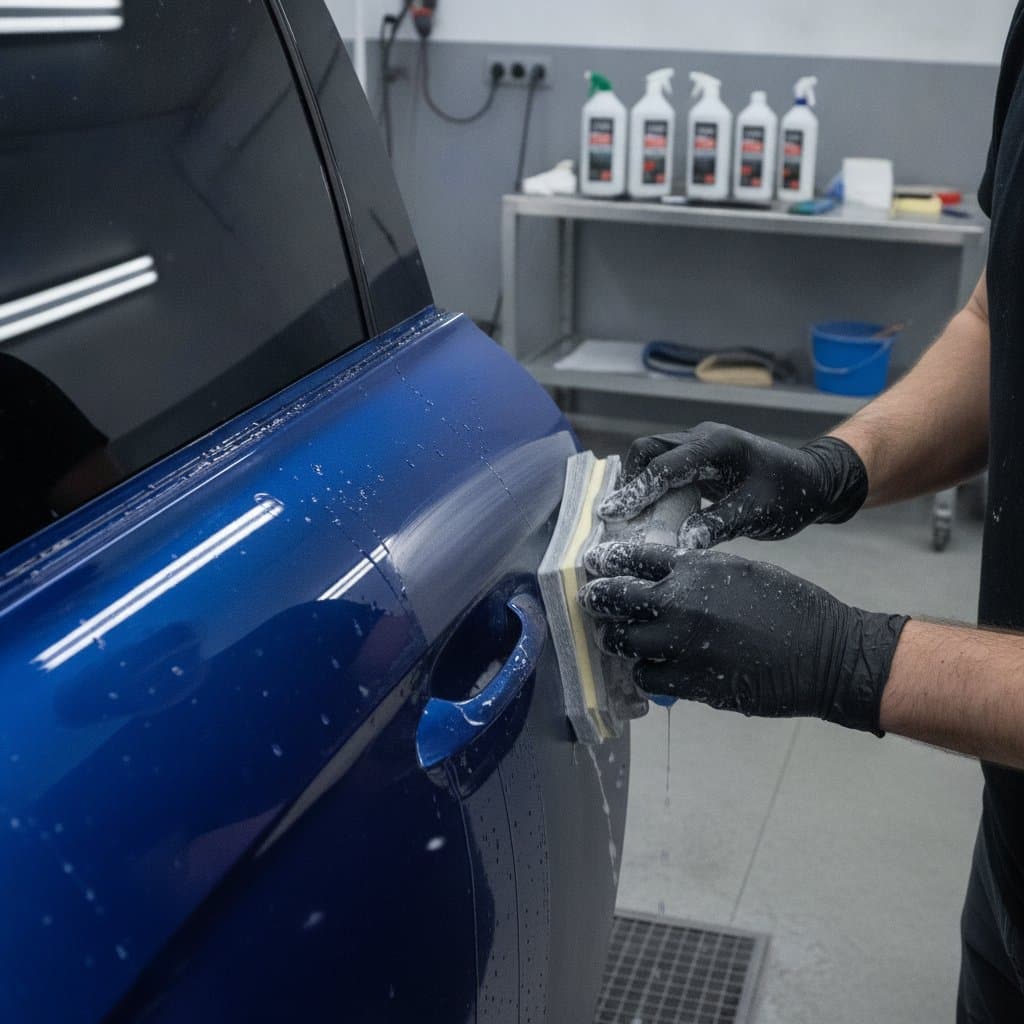
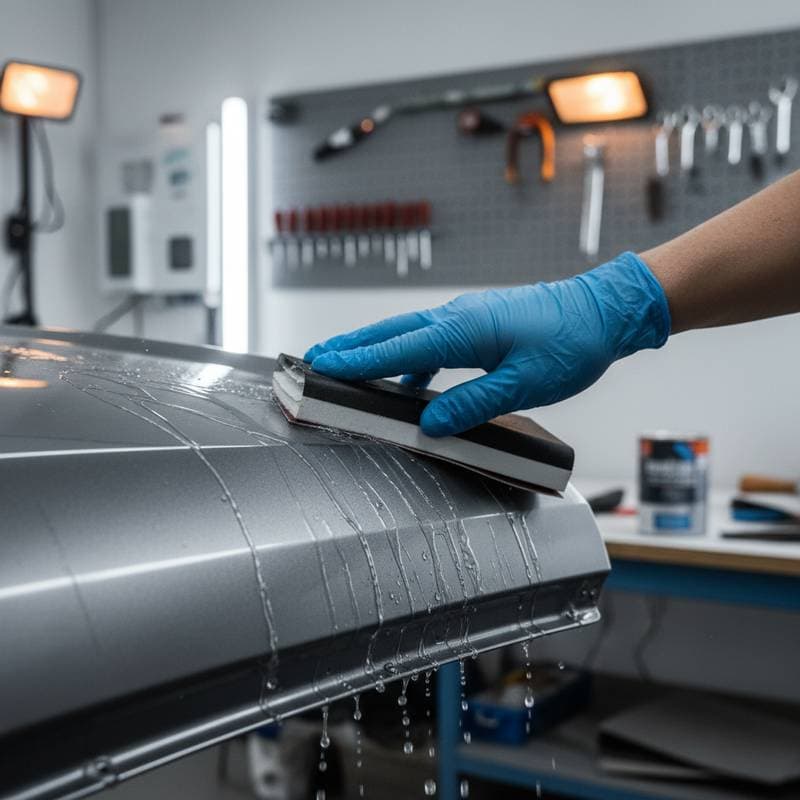
Wet sanding employs water as a lubricant during abrasion. This approach prevents sandpaper clogging and minimizes heat buildup, which could otherwise cause scratches. The water suspends debris particles, resulting in a consistent, fine scratch pattern that promotes strong mechanical bonding with subsequent layers of primer or paint.
The method suits multiple substrates. It refines wood grain for even coverage, levels drywall repairs, and polishes metal or fiberglass without damaging underlying layers. For previously painted surfaces, wet sanding eliminates gloss variations and contaminants, preparing the area for renewed adhesion.
Mechanisms of Improved Adhesion
Effective paint adhesion relies on surface profile and cleanliness. Wet sanding addresses both by generating micro-textures that allow paint to interlock at a molecular level. Simultaneously, the water rinses away oils, dust, and residues that might otherwise compromise the bond.
In contrast, dry sanding often leaves residual particles that act as barriers. After wet sanding, paint integrates deeply into the prepared ridges, effectively doubling the adhesion strength relative to surfaces merely cleaned or scuffed. This enhanced grip improves resistance to peeling, environmental stresses, and wear over time.
Selecting Appropriate Grits and Equipment
Grit selection depends on the project's stage and material. Begin with 400-grit for rough surfaces like bare wood or metal, then progress to 800- or 1000-grit for final smoothing before topcoating. Finer grits refine the texture without removing excessive material.
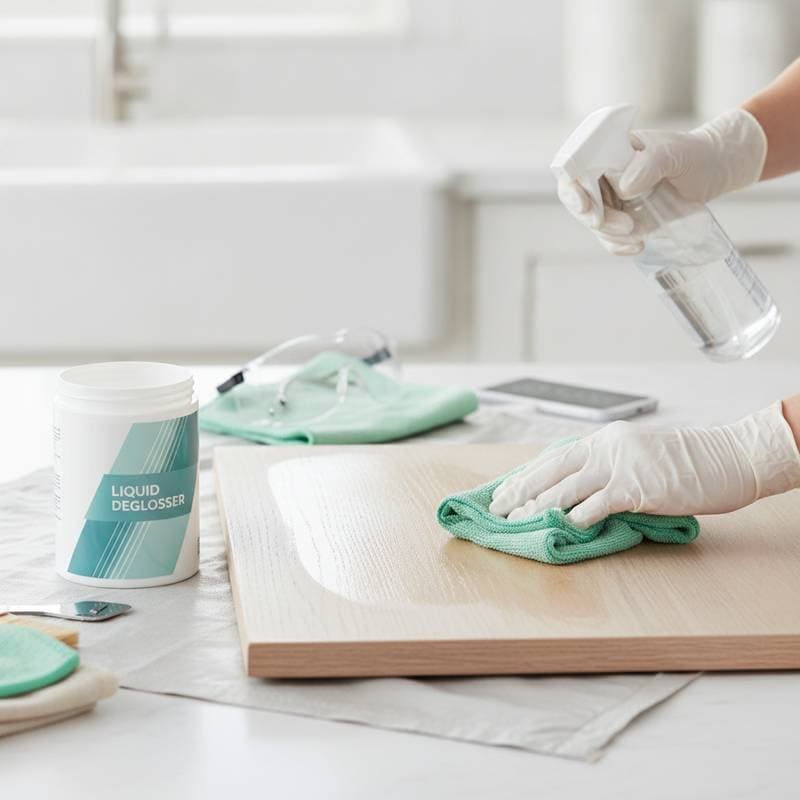
Opt for wet-dry sandpaper, sponges, or flexible pads designed for moist use. Maintain a light water application using a spray bottle or a bucket with diluted mild soap to enhance glide. Ensure the surface remains damp but not saturated to avoid substrate damage, particularly on wood or drywall; work in manageable sections and dry between passes.
Step-by-Step Guide to Wet Sanding
- Prepare the surface. Degrease and dust the area using a mild cleaner to expose the true substrate.
- Condition the abrasive. Briefly soak sandpaper or sponges to facilitate smooth operation and reduce initial scratching.
- Apply even pressure. Use gentle, circular motions to abrade without creating dips or over-thinning.
- Maintain moisture. Reapply water periodically to form a thin lubricating film.
- Inspect frequently. Feel for uniformity and observe for a consistent matte appearance indicating readiness for painting.
- Clean and dry thoroughly. Rinse residues and allow complete evaporation before applying any coatings.
This methodical approach yields reliable, high-quality preparation.
Cost-Effective Tool Recommendations
Achieve professional outcomes without excessive expenditure through tiered options.
- Basic level: Employ standard wet-dry sandpaper sheets and a spray bottle, available at hardware retailers for minimal cost. These suffice for occasional DIY tasks or minor repairs.
- Intermediate level: Select sanding sponges or foam-backed pads that adapt to irregular shapes, such as those on cabinets or trim.
- Advanced level: Consider powered sanders with integrated water systems for efficiency in larger or repetitive projects, reducing manual effort.
Regardless of choice, consistent technique ensures optimal results.
Professional Techniques from Set Productions
In demanding environments like television sets, wet sanding secures flawless surfaces under scrutiny. Professionals assess readiness by directing light across the area; uniform reflections signal completion, while inconsistencies prompt additional passes. This visual check confirms both smoothness and adhesion potential.
To manage timelines, use fans to accelerate drying post-sanding, ensuring no moisture interferes with priming. These practices translate effectively to residential applications, enhancing efficiency and finish quality.
Material-Specific Considerations
Tailor wet sanding to substrate properties for best outcomes.
- Wood: Limit water exposure to prevent fiber swelling; dry promptly and fully before coating.
- Metal: Rinse immediately after sanding to avert oxidation; follow with a tack cloth for residue removal.
- Drywall: Employ ultra-fine grits with minimal pressure and moisture to preserve compound integrity.
- Plastic or fiberglass: This technique yields a refined surface ideal for high-gloss or automotive paints.
Such adaptations maximize adhesion across diverse applications.
Resolving Frequent Challenges
Address issues promptly to maintain progress.
- Sticky or gummy texture: Switch to a coarser grit initially and advance systematically.
- Inconsistent sheen: Use pencil guidelines to ensure complete coverage during sanding.
- Raised wood grain: Allow drying, then perform a light dry sand with fine abrasive to level fibers.
- Post-paint defects like fisheyes: Verify thorough rinsing and drying to eliminate contaminants.
These solutions preserve surface integrity and application success.
Strategic Benefits for Professionals and Homeowners
Incorporating wet sanding into workflows reduces rework and extends finish durability. For businesses, it minimizes callbacks and material waste, bolstering client satisfaction. Homeowners gain extended service life from each project, representing practical investment in quality.
Superior preparation underpins enduring results, from interior walls to exterior elements.
Achieving Enduring Surface Performance
A well-prepped foundation through wet sanding fortifies paints against daily demands. Finishes exhibit greater resilience to impacts, humidity, and UV exposure, requiring less frequent maintenance. This technique elevates any painting endeavor to professional standards, ensuring lasting aesthetic and functional value.