Venetian Plaster vs Smooth: Worth the $3,000 Upgrade?
If you have ever seen a wall that glows softly in the light, almost like polished stone, you were likely looking at Venetian plaster. This finish is gorgeous, timeless, and undeniably luxurious. However, when you receive a quote that is thousands of dollars more than a smooth drywall finish, it is natural to question whether that high-end look justifies the extra cost. This article breaks down the key factors to help you determine what fits your style, space, and budget.
What Makes Venetian Plaster Special?
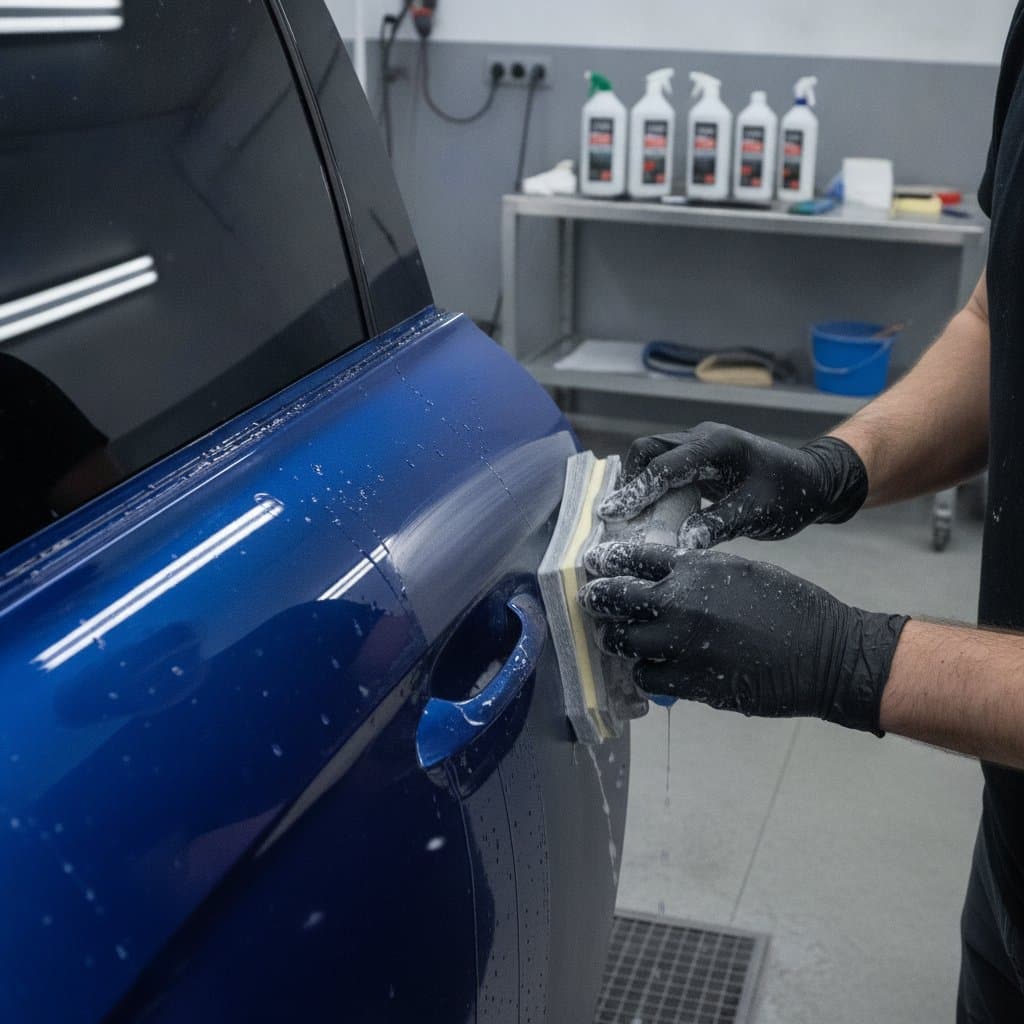
Venetian plaster is not merely paint; it is a fine finish crafted from lime putty and marble dust. Artisans apply it in thin layers and burnish it to a shine, creating a surface with remarkable depth that appears alive. This texture captures light in ways that flat paint cannot, resulting in a rich yet natural appearance reminiscent of aged, carved stone.
From experience in design and on-camera work, Venetian plaster performs exceptionally well both in person and on video. It imparts instant elegance to a space without relying on bold colors or patterns. The interplay of texture and sheen ensures that walls convey a sense of customization, whether during a kitchen reveal or casual gatherings.
Understanding Smooth Wall Finishes
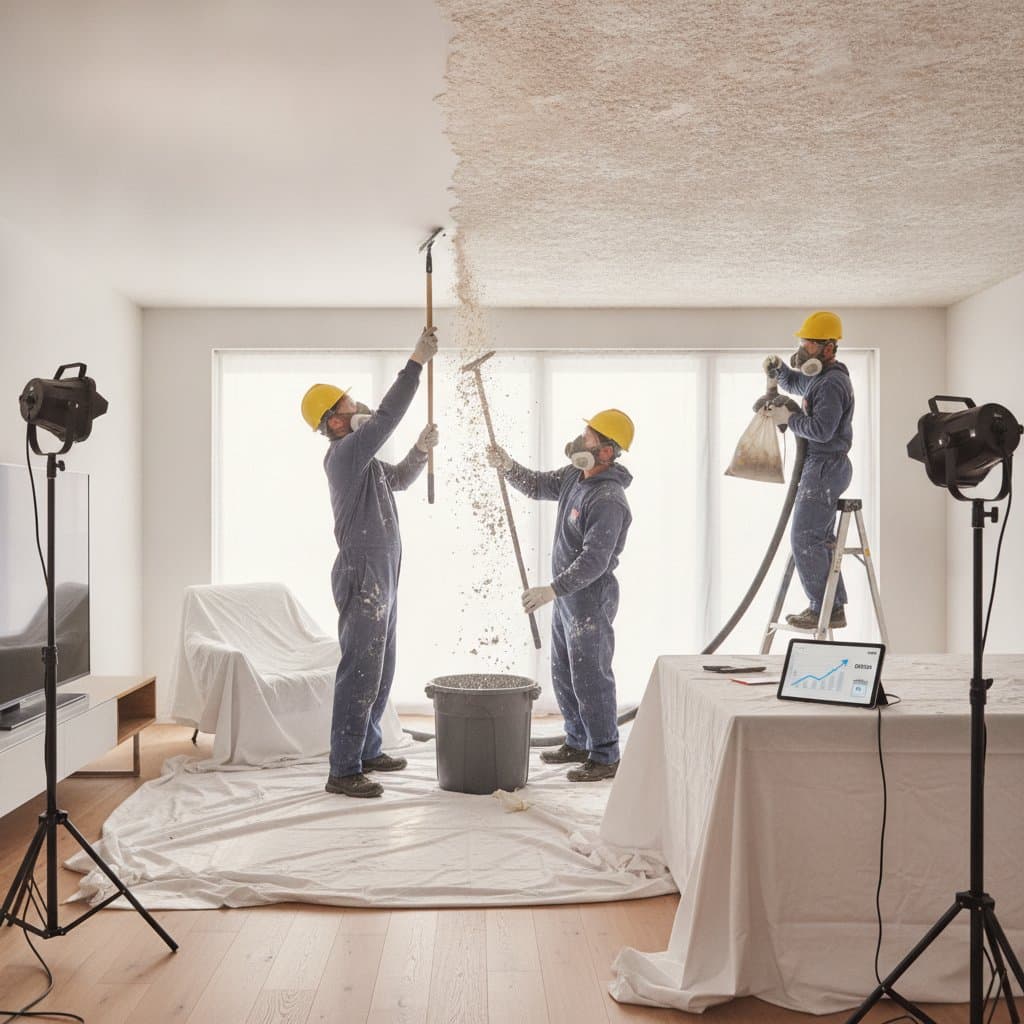
A smooth wall finish serves as the clean foundation in design projects. It involves drywall that has been mudded, sanded, and primed to eliminate all texture. This results in a modern, bright surface ideal for crisp paint applications or wallpaper.
Smooth walls offer practicality and versatility, suiting minimalist environments as well as vibrant interiors. In production settings, these finishes facilitate quick lighting adjustments and paint touch-ups. They photograph evenly, allowing furniture and artwork to take center stage, which makes them suitable for those who prioritize flexibility and clean lines.
Cost Breakdown: Addressing the $3,000 Difference
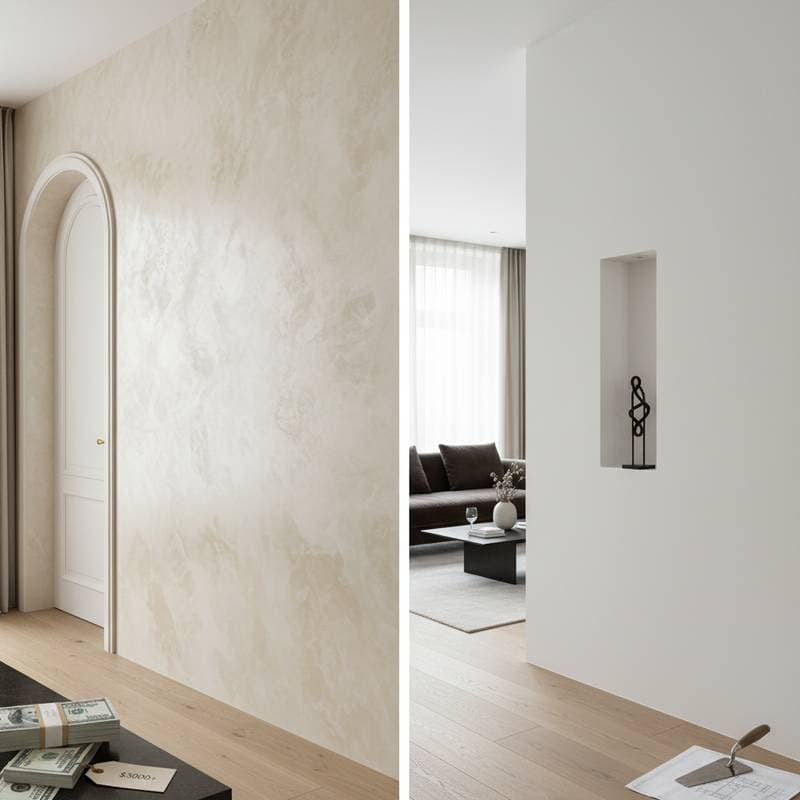
Venetian plaster typically costs three to four times more than a high-quality smooth finish for the same room, often leading to an additional $3,000 expense. This premium accounts for both materials and labor. Venetian plaster requires hand application in multiple layers, with the final result hinging on the artisan's technique, whereas smooth drywall, though labor-intensive, completes more quickly and simply.
Consider these specific cost components:
- Materials: Venetian plaster uses specialty lime-based products rather than standard joint compound or paint.
- Labor: Skilled professionals apply it with trowels, blending strokes to achieve a seamless effect.
- Time: Each layer requires drying time before the next application, followed by burnishing for the perfect sheen.
This process yields a durable, beautiful, and unique finish, justifying the investment through genuine craftsmanship.
Evaluating Appearance, Texture, and Durability
Visual Impact: Venetian plaster provides depth and subtle movement that cannot be replicated. It responds dynamically to light, altering tone and texture throughout the day. In contrast, smooth walls depend on paint for visual interest, positioning lighting and color choices as the primary elements.
Tactile Experience: The surface of Venetian plaster feels silky and slightly cool. Smooth walls offer a uniform texture but lack this inherent richness. Many clients note that Venetian plaster seems to evolve subtly over time, enhancing its appeal.
Longevity: As Venetian plaster cures, it hardens, becoming more resistant to scuffs and moisture than standard paint. It can receive a polish to handle humidity in areas like bathrooms. Smooth walls endure well but may require repainting sooner to maintain freshness.
Exploring Cost-Effective Alternatives
If a full Venetian plaster application exceeds your budget, several alternatives can mimic its allure at lower costs. These options allow you to incorporate similar effects without the full commitment.
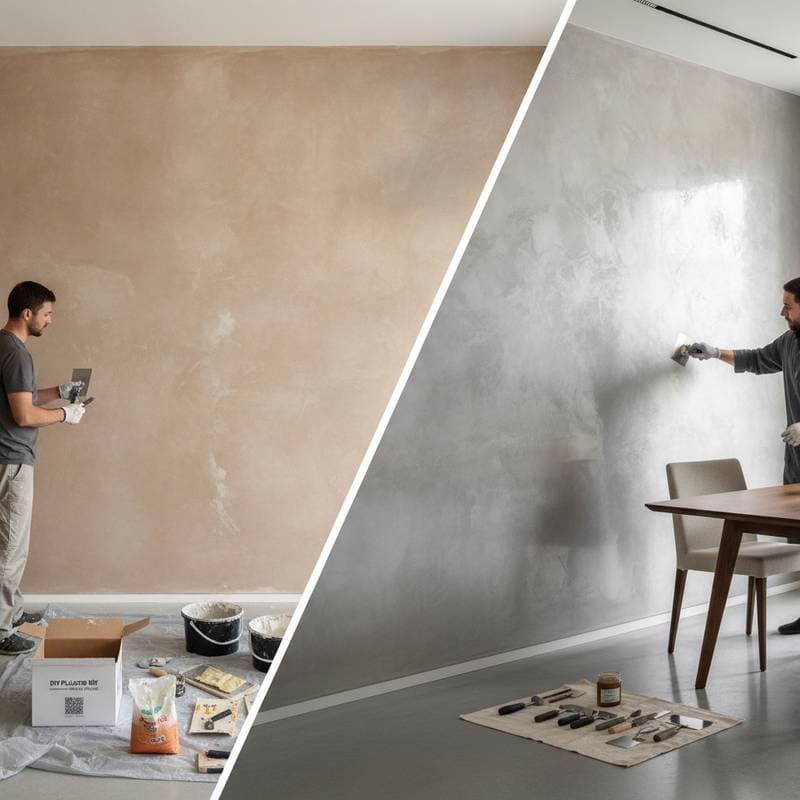
Low-Budget Option: Apply a faux finish with specialty paint containing shimmer or mineral additives. You can handle this as a DIY project using a roller and trowel for under a few hundred dollars. While it lacks the true depth of plaster, it delivers a soft, reflective quality.
Mid-Range Option: Select pre-mixed lime paint or a plaster-effect kit. These apply like regular paint via rolling or brushing but dry with gentle texture. Seal them for added durability, making them suitable for accent walls.
Higher-Budget Compromise: Install authentic Venetian plaster in targeted areas, such as a fireplace surround or powder room. This maximizes visual impact over smaller surfaces, controlling overall expenses.
For optimal results, layer smooth walls throughout the home with Venetian plaster in key focal points. This strategy delivers luxury selectively while preserving affordability.
Key Factors to Consider Before Deciding
Maintenance Needs: Venetian plaster allows spot repairs and re-burnishing for minor scratches. Smooth walls patch and repaint more straightforwardly, though touch-ups might appear under specific lighting.
Color Versatility: Venetian plaster excels in natural earth tones, soft whites, and muted grays, where its texture enhances subtle hues. Smooth walls support a broader palette, accommodating frequent color shifts if that aligns with your preferences.
Lighting Integration: Venetian plaster benefits from quality illumination; incorporate warm LED fixtures or sconces to accentuate its depth. Smooth walls provide a neutral base that complements artwork and furniture without distraction.
Project Timeline: Venetian plaster installation requires extended drying periods, so factor in delays for tight schedules. Smooth finishes accelerate completion, potentially reducing labor costs and minimizing disruption.
Insights for Media and Content Creation
Drawing from design shoots with quick turnarounds, the ideal finish for camera work varies by scenario. Venetian plaster introduces glowing texture under natural light, enhancing close-up narratives. Smooth walls ensure clean, even shots in wide-angle or brightly lit modern scenes. If content creation is part of your space's use, evaluate how walls will translate visually.
Adding Value Through Strategic Choices
From a property and business perspective, Venetian plaster elevates perceived quality. It stands out as custom craftsmanship, appealing to discerning buyers and guests. Smooth walls attract a broader market, offering ease for future updates or staging.
Essential Steps for Implementation
- Sample in Context: Test finishes under actual lighting conditions. Venetian plaster's color varies daily, while smooth paint may seem subdued in dim areas.
- Select Experienced Installers: For authentic Venetian plaster, review portfolios and verify product specifications.
- Apply Protective Sealers: In humid zones, use breathable sealers to extend the finish's life.
- Coordinate with Surroundings: Match Venetian plaster to natural elements like wood or stone; pair smooth walls with contemporary metals and matte surfaces.
- Assess Costs Per Area: Calculate expenses by square footage upfront. Smaller rooms make the upgrade more feasible than expansive ones.
Choosing for Everyday Enjoyment
Ultimately, select the finish that enhances your daily experience. Opt for Venetian plaster if you desire walls that function as artwork with a crafted narrative. Choose smooth finishes for a versatile, cost-effective foundation that adapts to evolving needs.