Venetian Plaster vs Level 5: Worth the $8K Upgrade?
Homeowners seeking flawless walls frequently weigh Venetian plaster against a Level 5 drywall finish. Both deliver smooth results, yet they differ in texture, expense, and upkeep. Clear comparisons of these factors support informed choices about the value of an upgrade.
Core Characteristics of Each Option
Venetian Plaster
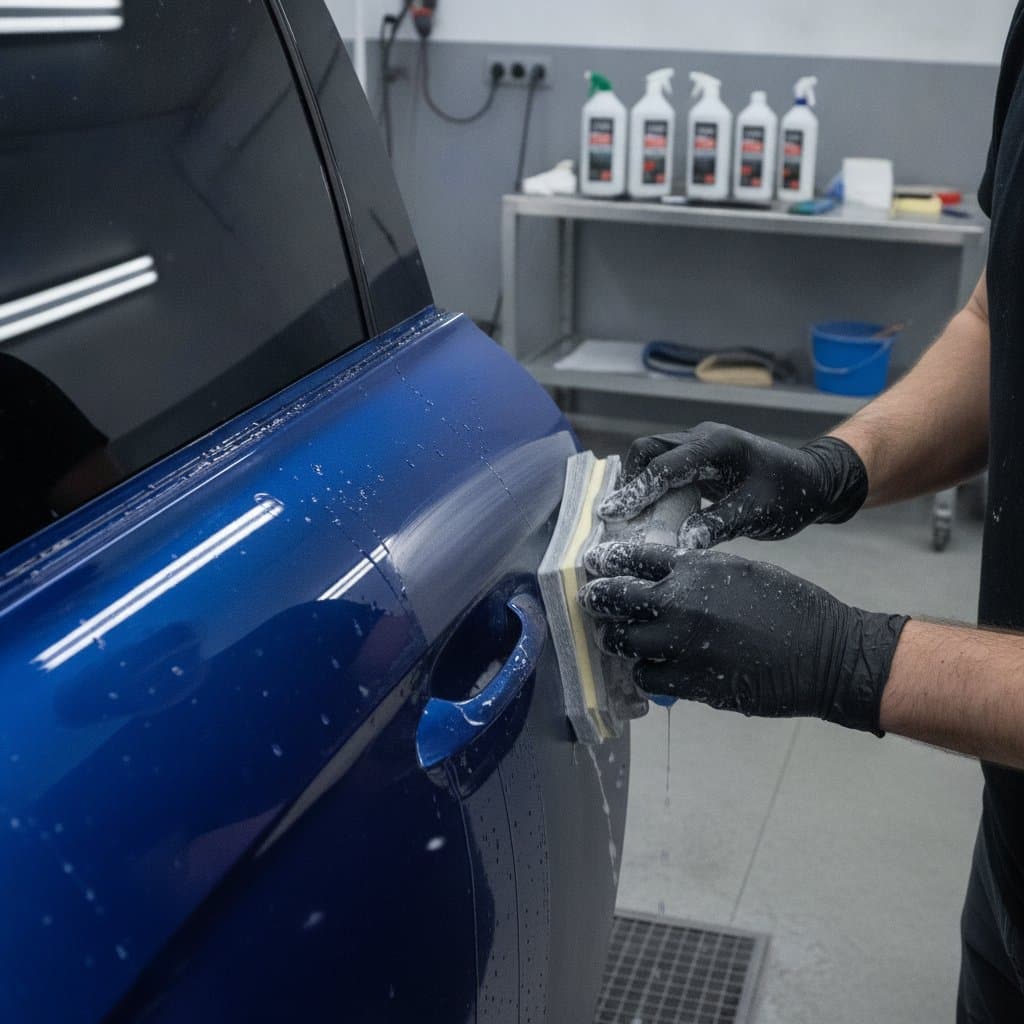
Venetian plaster consists of lime putty mixed with marble dust. Applicators spread several thin coats by hand and then burnish the surface to produce depth and a soft glow. The final sheen ranges from satin to high gloss based on layer count and technique. This method has defined upscale interiors for centuries.
Level 5 Drywall
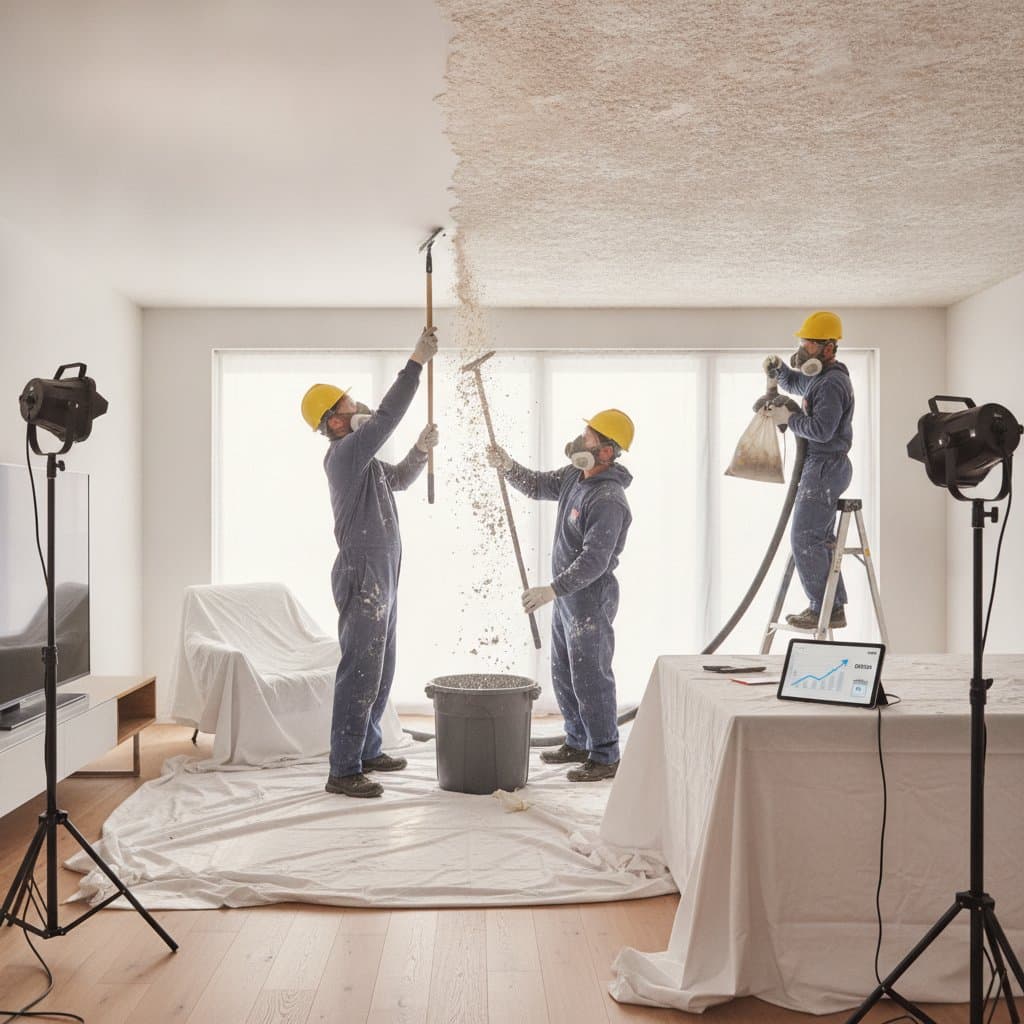
A Level 5 finish represents the top drywall standard. After taping seams, workers apply a full skim coat of joint compound across every surface. The outcome is uniformly flat and ready for paint or low-sheen coatings. Bright lighting no longer highlights seams or paper texture.
Cost Comparison
Typical Price Ranges
- Basic Level 5 finish: $2.50 to $4.00 per square foot
- Standard Venetian plaster: $8.00 to $12.00 per square foot
- Premium Venetian plaster: $14.00 to $25.00 per square foot
A mid-size home interior often carries an $8,000 premium for Venetian plaster over Level 5. Material grade, existing wall condition, and local labor rates determine the final gap.
Included Work
Level 5 work covers the skim coat, sanding, primer, and site cleanup. Venetian plaster work includes surface prep, multiple plaster layers, troweling, burnishing, and an optional protective sealer.
Added Expenses
Specialty tints or metallic effects add $2 to $5 per square foot. High ceilings, complex shapes, or prior repairs increase labor hours for either finish.
Variables That Shift Total Price
| Factor | Impact Level | Typical Examples |
|---|---|---|
| Material selection | Moderate | Lime-based plaster exceeds synthetic options |
| Craftsman experience | High | Authentic Venetian work requires trained specialists |
| Starting wall quality | Moderate | Uneven drywall demands extra prep time |
| Room size | Moderate | Small areas raise per-square-foot setup costs |
| Desired polish level | High | Multi-tone or high-gloss effects extend hours |
Visual and Functional Distinctions
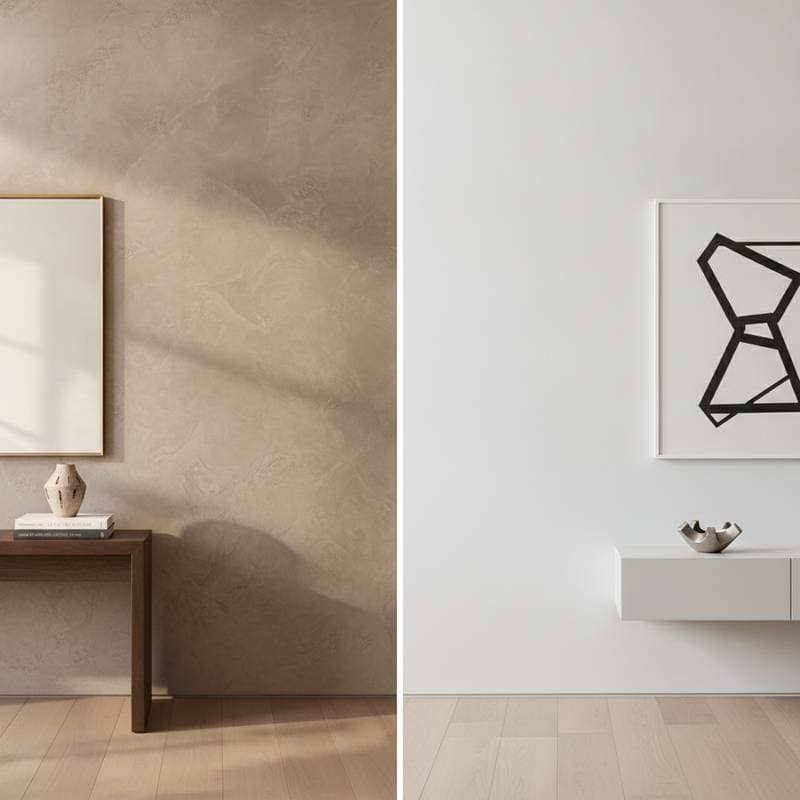
Venetian plaster reflects light with subtle movement that shifts throughout the day. Each wall gains individual character through hand-applied texture. Custom tinting produces depth that standard paint cannot match.
Level 5 drywall supplies a clean, consistent plane. It suits designs where walls should recede behind furnishings and artwork. The surface accepts any paint finish without revealing imperfections.
Longevity and Care Needs
Sealed Venetian plaster withstands light scuffs and allows spot repairs. Lime content provides natural resistance to bacteria and helps balance indoor humidity. Over years the surface develops a gentle patina.
Level 5 surfaces require periodic repainting when chips or stains appear. Simple touch-ups work for minor marks, yet deeper damage often needs patching and re-sanding.
Project Duration
Level 5 preparation for one average room finishes in three to five days. Venetian plaster application spans one to two weeks because each coat must dry fully before the next step begins.
Skill Requirements
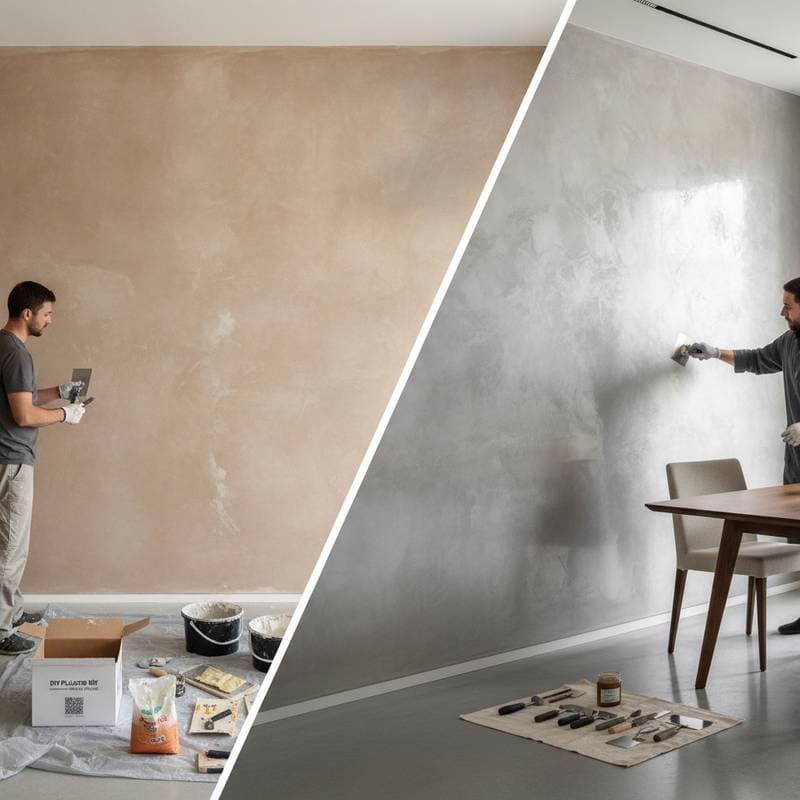
Homeowners rarely succeed with Venetian plaster on their own. The process demands precise trowel control and an understanding of how light interacts with each layer. Most projects benefit from hiring artisans who produce consistent color and seamless joints.
Level 5 work remains feasible for experienced do-it-yourselfers, though proper lighting and sanding technique stay essential. Many still engage drywall professionals for the skim-coat stage to guarantee flatness.
Decision Framework
Select Venetian plaster when texture and long-term visual interest matter most. The finish suits high-end homes and can support stronger resale appeal in premium markets. Choose Level 5 when budget limits and a uniform backdrop take priority.
Request physical samples applied to your own walls under typical lighting before final selection. Direct comparison often clarifies the better match.
Execution Steps
Schedule the finish upgrade alongside other interior work to limit dust and downtime. Confirm that base drywall is smooth enough for proper adhesion. Discuss sealer options for high-traffic zones or rooms with moisture exposure.
Request itemized bids that separate material, labor, and prep costs. Verify the contractor portfolio includes both finishes, especially Venetian plaster projects. Review recent job photos and contact prior clients to confirm workmanship quality.
Common Issues and Prevention
Level 5 problems usually stem from uneven sanding that shows under strong light. Venetian plaster issues arise from inconsistent burnishing that creates streaks. Experienced crews reduce these risks through controlled technique and proper drying intervals.