Understanding the Long-Term Value of Venetian Plaster
Venetian plaster offers a distinctive wall finish that combines aesthetic appeal with exceptional durability. Homeowners often hesitate due to the higher initial cost compared to traditional painting, yet this investment pays dividends over time. By examining its composition, application, and maintenance, it becomes clear why Venetian plaster outperforms repainting cycles that occur every three to five years.
Composition and Durability Factors
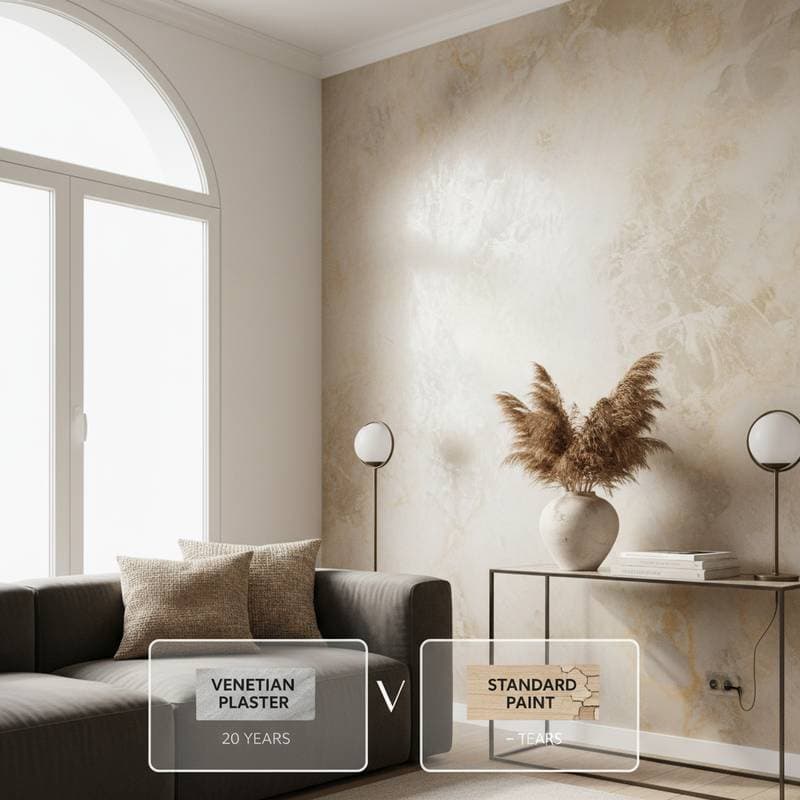
Venetian plaster consists of lime putty and marble dust, materials that undergo a chemical transformation upon application. The lime reacts with carbon dioxide in the air to form limestone, creating a hard, stone-like surface integrated into the wall. This process ensures the finish withstands wear for up to 20 years, resisting fading, peeling, and structural damage that plague painted surfaces.
Breathability represents another key advantage. Unlike paint, which can trap moisture and foster mold growth, Venetian plaster allows vapor to pass through, promoting healthier indoor environments. The marble dust adds density and a subtle luster, enhancing both strength and visual depth without relying on synthetic additives.
Cost Analysis Over Time
The upfront expense of Venetian plaster typically reaches three times that of standard drywall finishing and painting. Materials alone cost more because they derive from natural, mineral sources rather than inexpensive latex formulas. Labor intensifies this figure, as skilled artisans apply multiple thin layers by hand, burnishing each for a seamless result.
Consider the lifetime economics. Repainting every three to five years incurs repeated costs for labor, materials, and preparation, including furniture relocation and surface disruption. Divide the Venetian plaster investment across 20 years, and the annual cost often falls below that of frequent repaints. For a typical room, initial outlay might total $5,000 to $10,000, versus $1,500 to $3,000 per repaint cycle over two decades.
Application Process and Craftsmanship
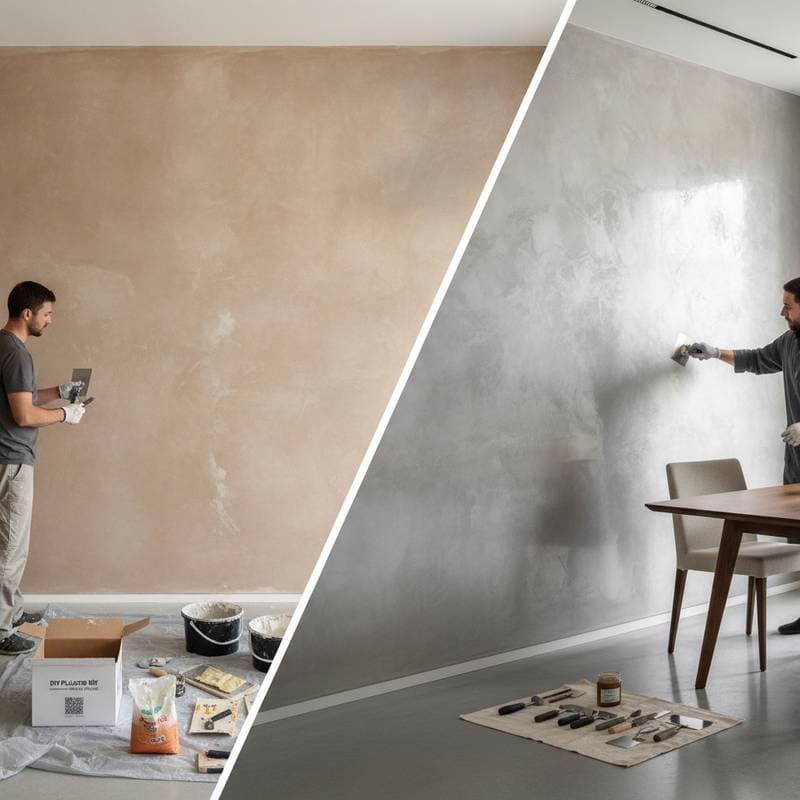
Professional installation demands precision. Artisans begin with surface preparation, repairing cracks and ensuring even moisture levels to prevent future issues. They apply three to four coats of plaster using trowels, allowing each to partially cure before burnishing to achieve the desired sheen.
This method contrasts sharply with painting, where rollers or sprayers cover large areas quickly but lack customization. Venetian plaster permits tailored textures, from smooth and polished to lightly textured for added dimension. Proper curing, which takes several days per layer, solidifies the finish and enhances its longevity.
Strategic Budgeting Approaches
Homeowners can adapt Venetian plaster to various budgets by focusing on priority areas. Apply it to entryways or accent walls for immediate impact, complementing these with durable, high-quality paint in less prominent spaces. This selective use balances luxury and affordability while maintaining design cohesion.
Consider these tiers for implementation:
- Entry-Level Option: Select pre-mixed lime plasters for DIY projects on small surfaces, such as kitchen backsplashes. Practice on test panels to master trowel techniques, and allocate 4 to 6 hours per square meter.
- Moderate Investment: Engage professionals for focal walls, ensuring seamless transitions to painted areas through molding or strategic lighting placement.
- Premium Choice: Cover main living spaces and ceilings comprehensively, yielding uniform texture and maximum durability benefits.
Preparation remains essential across all levels. Clean substrates thoroughly, apply primer if needed, and monitor humidity below 60 percent during application to optimize adhesion.
Aesthetic and Functional Benefits in Daily Use
Venetian plaster elevates interior spaces through its light-reflecting properties, creating subtle shifts in tone from dawn to dusk. The finish imparts a tactile smoothness that invites touch, fostering a sense of calm and authenticity absent in flat painted walls. In high-traffic areas, it conceals minor imperfections better than paint, developing a natural patina that enhances character over time.
For media and photography, the surface excels by diffusing light softly, avoiding glare while adding depth to images. This quality proves invaluable for real estate staging or content creation, where professional visuals drive appeal.
Maintenance Practices
Upkeep for Venetian plaster proves straightforward and infrequent. Wipe surfaces with a damp microfiber cloth and mild soap solution weekly in moderate-use rooms. For stubborn marks, buff gently with a dry cloth to revive the natural sheen.
In demanding environments, apply a thin beeswax sealant annually to bolster protection against stains. Avoid abrasive cleaners, as they can dull the finish. Unlike paint, which requires repainting to address scratches, Venetian plaster integrates minor wear into its organic appearance, extending its pristine look without major intervention.
Environmental and Health Advantages
Crafted from renewable lime and marble, Venetian plaster aligns with sustainable practices. The curing process sequesters carbon dioxide, contributing positively to indoor air quality. Free from volatile organic compounds found in many paints, it eliminates off-gassing and reduces allergy risks.
The breathable nature further mitigates moisture buildup, preventing mold in humid climates. Homeowners gain not only aesthetic and economic value but also a healthier living space that supports well-being over the long term.
Professional Installation Considerations
While DIY suits small-scale efforts, larger projects benefit from expert involvement. Certified plasterers assess site conditions, select appropriate plaster variants based on room use, and execute finishes that meet building codes. Expect installation timelines of 3 to 7 days for a standard room, depending on size and complexity.
Observe artisans during work to appreciate the blend of science and skill: precise mixing ratios, controlled drying intervals, and final polishing techniques ensure flawless results. This expertise justifies the premium, delivering a finish that endures professional scrutiny.
Direct Comparison with Traditional Drywall Finishing
Standard drywall involves joint compound, taping, and painting, offering quick setup at low cost. However, it demands maintenance every few years, susceptible to dents, moisture damage, and color degradation.
Venetian plaster, by contrast, integrates durability with elegance:
| Aspect | Drywall Finishing | Venetian Plaster |
|---|---|---|
| Initial Cost | Low ($1-2 per sq ft) | Higher ($5-10 per sq ft) |
| Lifespan | 3-5 years per coat | Up to 20 years |
| Maintenance | Frequent repaints | Minimal cleaning |
| Moisture Resistance | Prone to mold | Highly breathable |
| Aesthetic Depth | Flat unless textured | Natural luster and texture |
This comparison underscores Venetian plaster's superiority in total value, particularly for long-term occupancy.
Essential Application Guidelines
- Sample colors under actual room lighting, as plaster alters hues subtly.
- Ensure base surfaces remain smooth and free of defects before starting.
- Opt for matte finishes in casual spaces or polished ones for formal areas.
- Apply sealants sparingly to preserve the finish's breathability.
- Allow 24-48 hours between coats for full curing, adjusting for ambient conditions.
Realizing Lasting Home Enhancement
Investing in Venetian plaster transforms walls into enduring elements that enhance daily life and property worth. This finish not only withstands time but also enriches environments with its natural resilience and refined presence. Choose it for spaces where quality and sustainability matter most, securing beauty that evolves alongside your home.