Venetian Plaster Cost Guide: DIY at $8 vs Professional at $18 Per Square Foot
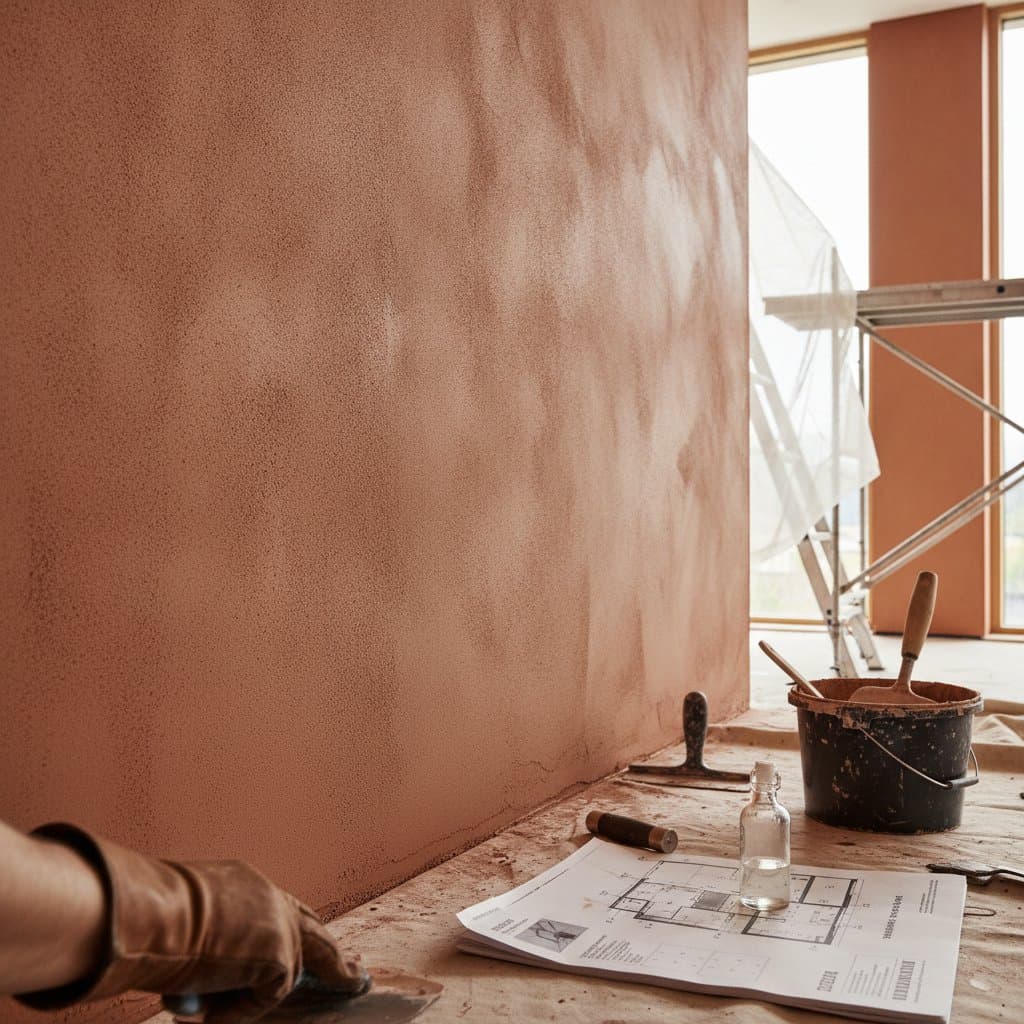
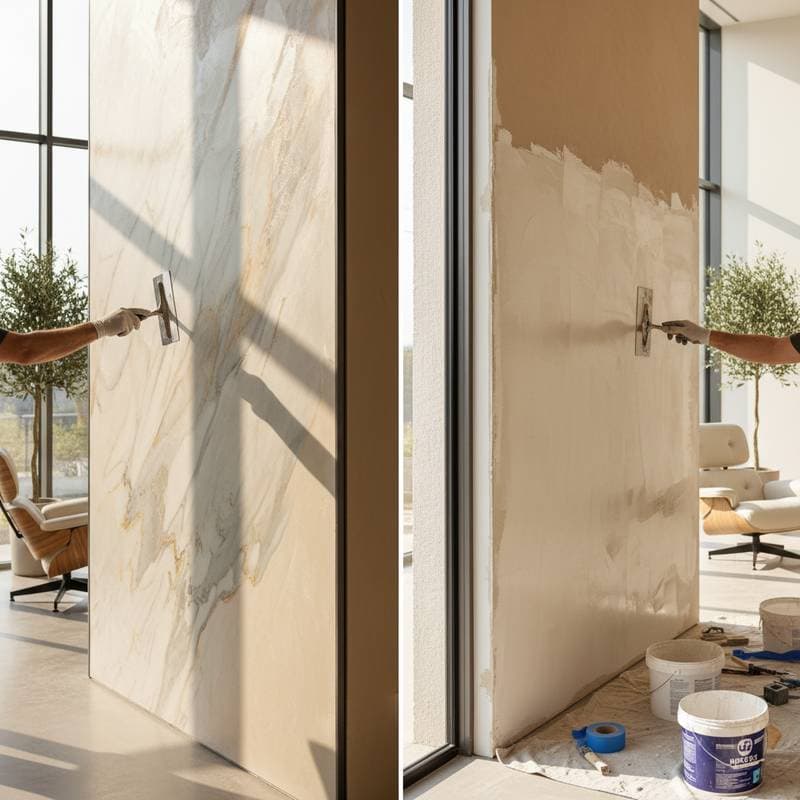
Venetian plaster creates a rich, textured finish that turns plain walls into elegant surfaces with subtle depth and light play. This technique combines artistic skill and precise craftsmanship to mimic the look of polished marble. Homeowners frequently weigh the cost gap between self-installation and expert services, with DIY efforts typically running $8 per square foot and professional work averaging $18 per square foot. Grasping the elements behind these figures empowers better choices on time investment, quality outcomes, and overall value.
Average Cost Ranges by Project Size
Project scale directly impacts total expenses. For a small room of 100 square feet, expect $800 for DIY or $1,800 with a professional. A medium-sized space at 250 square feet rises to $2,000 DIY or $4,500 professional, while a large 400-square-foot area totals $3,200 DIY or $7,200 professional.
These figures cover materials and labor for a basic finish on smooth walls with standard ceilings. Adding intricate textures, custom pigments, or ornamental details will elevate the final amount.
Cost Breakdown per Square Foot
| Cost Component | DIY Range | Professional Range | Details |
|---|---|---|---|
| Materials | $4 - $6 | $4 - $6 | Lime-based plaster, color pigments, protective sealants |
| Tools & Equipment | $2 | $1 | Trowels, mixing hawks, and safety gear for DIY; pros use owned tools |
| Labor | $0 | $10 - $12 | Expert layering, burnishing, and finishing passes |
| Preparation | $2 | $3 | Cleaning, patching, priming, and masking surfaces |
| Total Estimated Cost | $8 | $18 | Average per square foot |
Factors Affecting Venetian Plaster Costs
Multiple variables shape the overall expense of applying Venetian plaster. Reviewing these allows for precise budgeting and realistic expectations.
Material Type: Authentic lime-based plaster commands a higher price than acrylic substitutes due to its superior breathability and authentic luster. Lime versions endure better in humid environments, whereas synthetics simplify application for novices but may lack longevity.
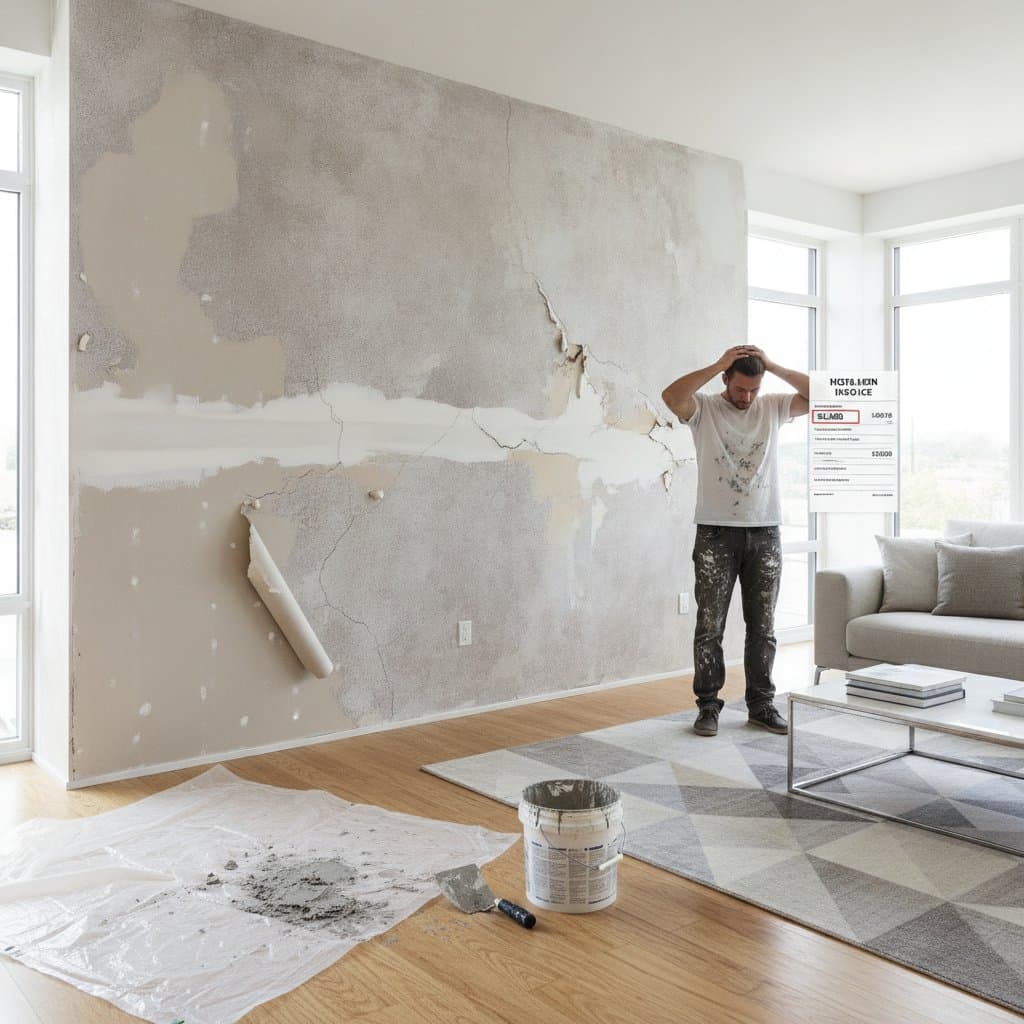
Surface Preparation: Surfaces require thorough cleaning and smoothing to avoid defects. Damaged or irregular walls demand patching and priming, which adds $1 to $3 per square foot. Inadequate prep frequently results in cracks or uneven sheen that compromise the aesthetic.
Application Complexity: Basic single-tone applications need fewer layers and minimal polishing. Elaborate multicolored or highly burnished effects involve additional coats, extending both time and skill requirements.
Room Accessibility: Challenging layouts with narrow spaces, high ceilings, or ornate trim extend labor duration. Such conditions can boost professional fees by 15 to 25 percent.
Regional Labor Rates: Costs vary by location, with urban centers charging more due to elevated demand and wages. Rural areas often align with the lower spectrum.
Detailed Cost Analysis by Finish Category
| Finish Type | Basic Range | Standard Range | Premium Range | Key Differences |
|---|---|---|---|---|
| Smooth Matte | $6 - $8 DIY, $14 - $16 Pro | $8 - $10 DIY, $16 - $18 Pro | $10 - $12 DIY, $18 - $20 Pro | Polishing intensity and pigment richness |
| Polished Lime | $7 - $9 DIY, $15 - $17 Pro | $9 - $11 DIY, $17 - $19 Pro | $11 - $13 DIY, $19 - $21 Pro | Use of traditional lime, manual burnishing |
| Textured Stucco | $8 - $10 DIY, $16 - $18 Pro | $10 - $12 DIY, $18 - $20 Pro | $12 - $14 DIY, $20 - $22 Pro | Layer thickness, texture depth, color integration |
Primary Cost Drivers
1. Labor Skill and Time
Professionals apply several thin layers using specialized trowels, allowing each to dry before polishing for a seamless effect. This expertise develops over years, enabling pros to cover 200 to 300 square feet daily. DIY attempts often double that timeline due to trial and error.
2. Materials and Quality
Premium lime plaster mixed with marble dust and natural pigments ensures a vibrant, lasting glow. Opting for budget synthetics cuts $2 to $3 per square foot but risks quicker fading or surface wear.
3. Surface Conditions
Pre-existing issues like dents or old paint demand sanding and fillers. Neglecting this step invites adhesion problems, leading to costly rework.
4. Decorative Additions
Incorporating custom colors, metallic flecks, or layered patterns adds $3 to $5 per square foot. These enhancements call for advanced techniques and extended curing periods.
Value and Return on Investment
Venetian plaster enhances visual appeal while boosting home worth through its sophisticated vibe. Ideal for living rooms, foyers, or accent walls, it withstands daily use, resists moisture, and cleans effortlessly. Though pricier upfront than standard paint, its decades-long durability reduces future expenses.
In competitive housing markets, such finishes draw premium buyers. The upscale perception frequently justifies the outlay, particularly with artisan-level execution.
Money-Saving Strategies
- Handle preparation tasks like cleaning and masking to trim professional labor.
- Select acrylic plasters for a comparable appearance at reduced cost.
- Focus on accent walls to contain material use.
- Book during off-season periods for discounted contractor rates.
- Source materials in larger quantities to lower unit prices.
Budget Planning Framework
Effective budgeting goes beyond basic calculations. Start by measuring wall area, deducting doors and windows. Factor in prep materials, sealants, and a 10 to 15 percent buffer for surprises like repairs.
Obtain itemized bids from three contractors, detailing finishes and timelines. Extended projects with multiple drying phases inflate labor, so align schedules accordingly.
DIY vs Professional Installation
DIY Venetian Plaster ($8 per sq ft)
- Pros: Cuts expenses significantly, builds personal accomplishment, allows pacing to fit availability.
- Cons: Demands substantial practice to avoid errors, extends project duration, risks subpar uniformity.
Success hinges on testing techniques on scrap surfaces first. Common pitfalls include trowel scratches or patchy colors that diminish the luxurious intent.
Professional Venetian Plaster ($18 per sq ft)
- Pros: Guarantees flawless execution, saves time, provides warranty on durability.
- Cons: Higher cost, less control over schedule, potential coordination with contractor availability.
Experts excel in complex areas, delivering results that elevate the space without the frustration of learning curves.
Frequently Asked Questions
1. What is the average cost for Venetian plaster installation?
The typical range spans $8 per square foot for DIY to $18 per square foot for professionals. Variations stem from materials, prep work, and finish intricacy.
2. What factors have the biggest impact on Venetian plaster costs?
Labor expertise, material grade, wall readiness, and design elements drive expenses most. Advanced techniques or custom features amplify both effort and price.
3. How can I save money on Venetian plaster without sacrificing quality?
Prep surfaces independently, choose synthetic options, and target feature walls only. Timing projects for slower seasons secures competitive quotes.
4. Should I hire professionals or attempt this as a DIY project?
Opt for pros in expansive or visible spaces for reliable outcomes. DIY suits small tests if patience allows honing skills on practice boards.
5. How do I budget for unexpected costs in a Venetian plaster project?
Allocate 10 to 15 percent extra for issues like hidden flaws or extra layers. This cushion prevents budget overruns from delays or fixes.
6. When is the best time to start a Venetian plaster project for the lowest costs?
Off-peak seasons reduce demand, prompting lower rates from specialists. Early planning locks in availability and favorable terms.