Venetian Plaster Resurgence: Professional $8,000 vs. $800 DIY Analysis
Venetian plaster gains renewed popularity among homeowners desiring textured walls that blend sophistication and enduring style. This wall treatment, historically limited to opulent settings, now enhances diverse contemporary spaces. The choice between a professional $8,000 installation and a $800 do-it-yourself project extends beyond initial expenses. Homeowners benefit from evaluating expenses, procedures, and anticipated results to align decisions with financial limits and aesthetic visions.
Understanding Venetian Plaster Application
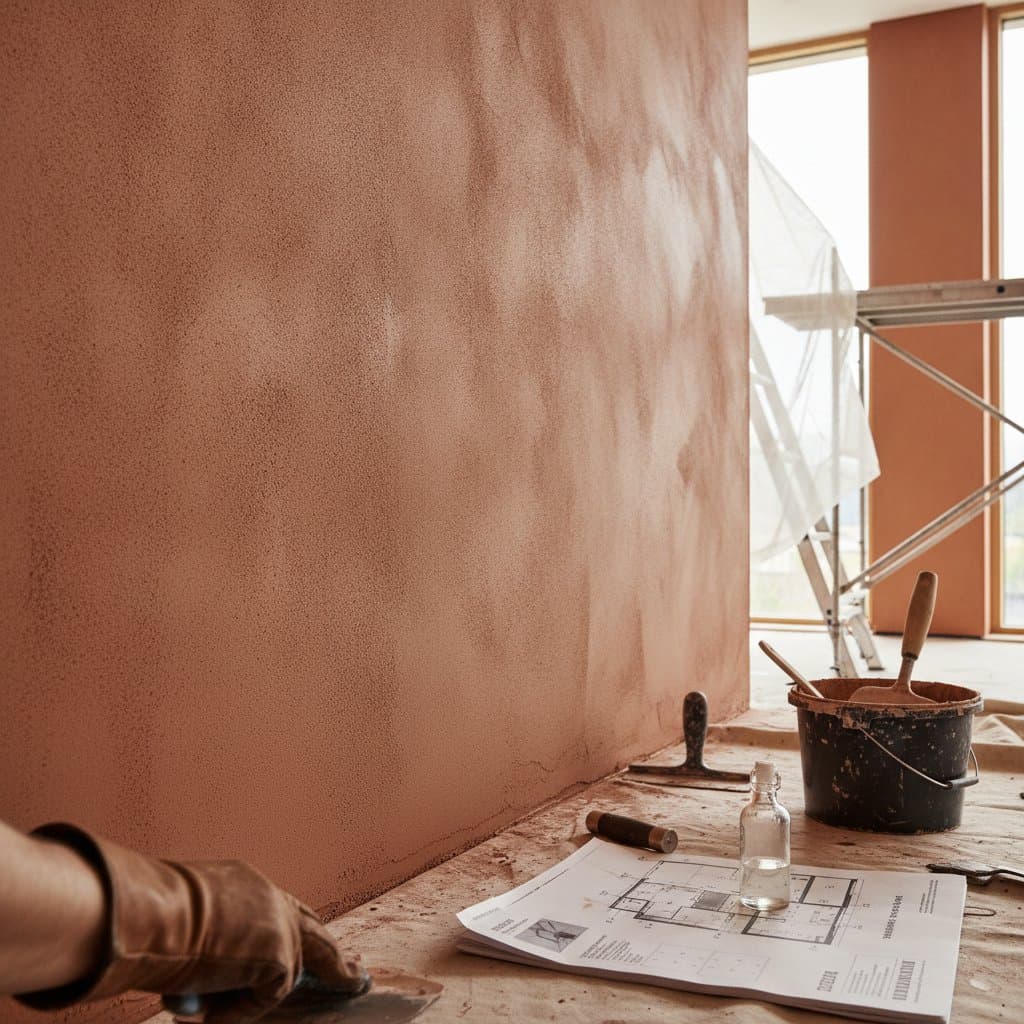
Venetian plaster consists of layered lime-based mixtures incorporating marble dust, yielding a sleek, burnished exterior with inherent dimension. Finishes vary from high-gloss reflections to subdued matte appearances resembling quarried stone. Application demands precision, extended drying intervals, and adept tool handling for optimal outcomes.
Preparation forms the foundation. Walls require smoothing to eliminate flaws, followed by application of a dedicated primer. Thin plaster layers receive trowel application, with each demanding thorough drying and light sanding prior to subsequent coats. Polishing the uppermost layers produces the distinctive glow synonymous with Venetian plaster luxury.
Detailed Cost Analysis
Typical Price Ranges
- Basic scope: $5,000 to $7,000
- Standard scope: $7,000 to $9,000
- Premium scope: $9,000 to $12,000
Do-it-yourself efforts generally range from $600 to $1,000 for essential materials and implements, excluding the time invested in readiness and execution.
Core Components of Pricing
- High-quality lime or acrylic plaster formulations
- Expert labor covering preparation and layered application
- Precision tools for troweling, smoothing, and final burnishing
- Sealing treatments and post-project site restoration
Additional Expenses
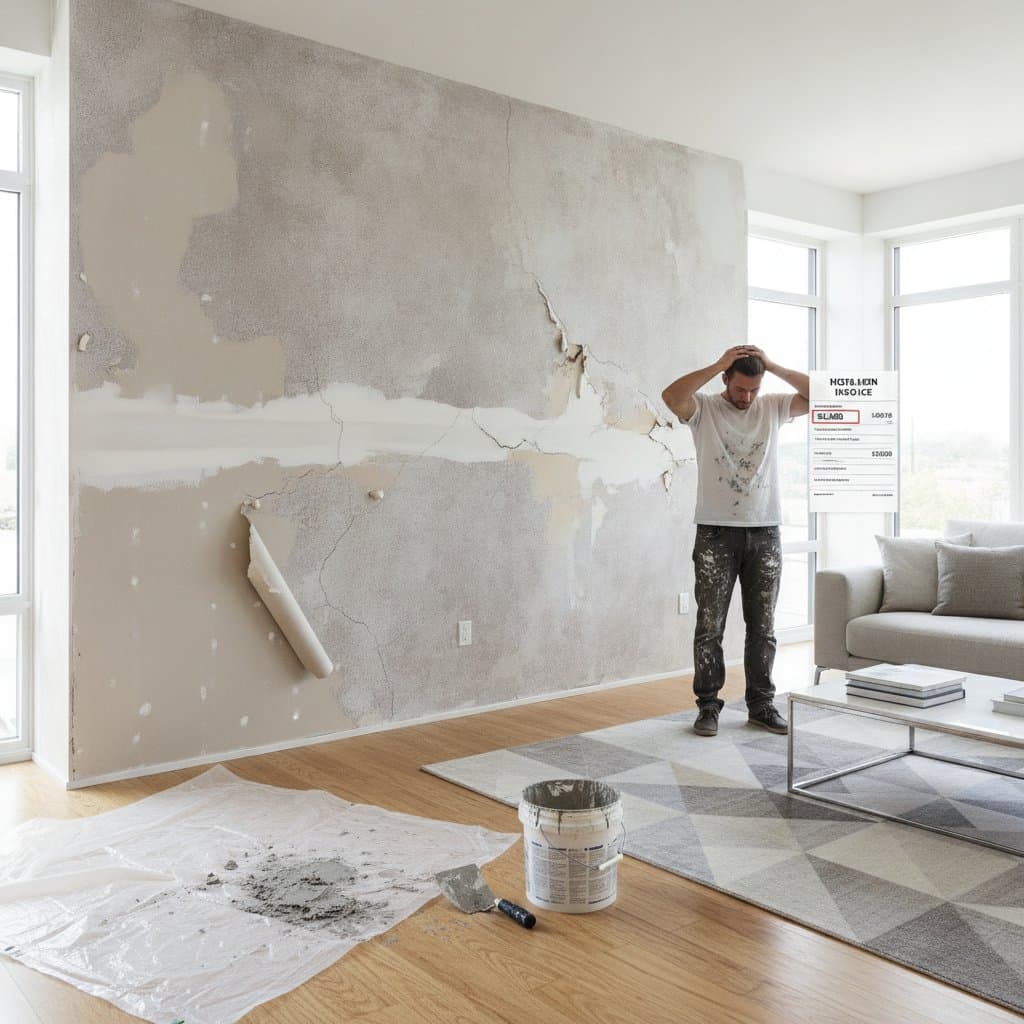
- Substantial wall remediation or leveling prior to plastering
- Bespoke colorants, metallic infusions, or intricate layering
- Elaborate patterns like simulated veining or ultra-reflective surfaces
- Durable wax coatings enhancing resistance to wear and humidity
Influences on Total Expenditure
| Factor | Price Adjustment | Specific Instances |
|---|---|---|
| Wall readiness | +10% to +25% | Fractured drywall needing patching or resurfacing |
| Design intricacy | +15% to +40% | Layered hues or metallic integrations |
| Area dimensions | +$3 to $6 per square foot | Expanded coverage demands greater supplies and effort |
| Plaster composition | +10% to +30% | Traditional lime over synthetic alternatives |
| Local wage standards | Fluctuating | Metropolitan regions command elevated rates |
Professional and DIY Expense Contrast
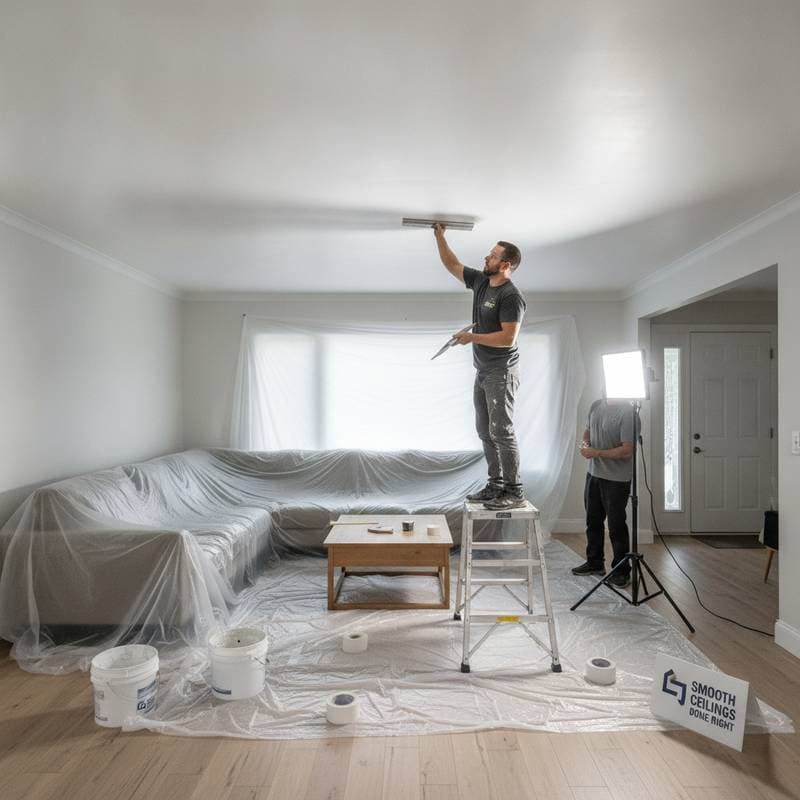
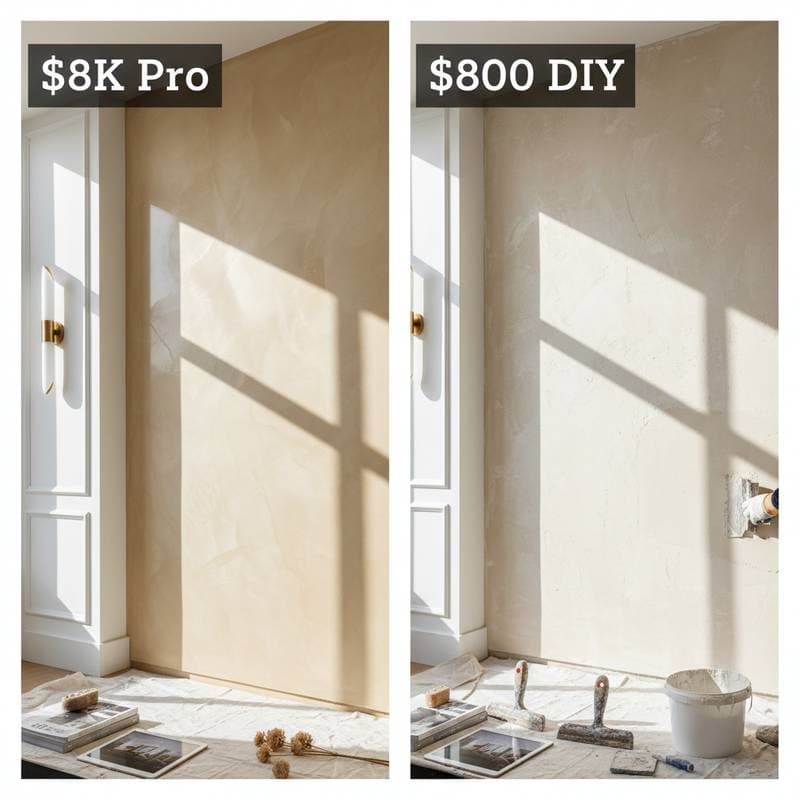
A professional Venetian plaster endeavor often totals $8,000 for a standard living room or primary bedroom. This figure accounts for specialized skills and the multi-day commitment to flawless layering and refinement. Experts dedicate time to preparatory smoothing and progressive coats that foster the profound radiance of genuine Venetian plaster.
Do-it-yourself participants procure supplies for roughly $800, encompassing plaster bases, color additives, trowels, abrasives, and sealants. Such economy attracts many, yet compromises emerge in uniformity, resilience, and polish. Variations in tool technique or drying management frequently result in patchy tones or irregular surfaces.
Schedule Projections
Expert applications span three to six days, influenced by surface extent and environmental factors. The sequence unfolds as follows:
- Initial setup and priming: One day
- Initial and intermediate plaster layers: One to two days
- Concluding layers and refinement: One to two days
- Final hardening and restoration: One day
Do-it-yourself timelines extend to one or two weeks, as participants allocate limited daily periods and enforce prolonged intervals for layer stabilization. Adhering to curing protocols averts fissures or inconsistent gloss.
Deciding Between Professional and DIY Execution
Scenarios Favoring Professional Involvement
- Prominent zones such as foyers, parlors, or formal dining areas demanding impeccable execution
- Expansive wall arrays necessitating uniform patterning and pigmentation
- Sophisticated designs featuring color gradients or metallic elements
- Heritage or upscale residences prioritizing genuineness and sustained performance
Viable DIY Circumstances
- Modest feature walls where subtle variances blend inconspicuously
- Cost-sensitive initiatives emphasizing skill acquisition and trial
- Subtle or aged appearances tolerating less than perfect sheen
- Interim aesthetic enhancements where endurance ranks secondary
Do-it-yourself pursuits prove fulfilling with deliberate pacing, stable conditions, and preliminary practice on test surfaces. Homeowners achieve viable outcomes through methodical progression.
Selecting and Engaging Specialists
The ideal contractor distinguishes exceptional Venetian plaster from subpar efforts. This niche craft requires targeted expertise beyond routine painting.
Essential Selection Procedures
- Identify regional experts specializing in ornamental plasters or elite surfacing.
- Confirm licensing, coverage, and client endorsements from completed assignments.
- Solicit itemized proposals detailing supplies, workforce, and stylistic specifications.
- Examine portfolios or tactile samples to gauge proficiency.
- Review expectations for gloss levels, tactile qualities, and tonal variations prior to commitment.
Vital Contract Provisions
Formal agreements must specify:
- Comprehensive work outline and layer quantities
- Supplier origins and stylistic designations
- Staged payments aligned with advancement benchmarks
- Assurance conditions and upkeep directives
- Timeline projections accommodating curing phases
Project Readiness Measures
Anticipatory steps streamline professional or personal endeavors.
Pre-commencement actions:
- Relocate furnishings and adornments from treatment zones.
- Ensure sufficient airflow and temperature regulation for effective setting.
- Validate hue prototypes in ambient illumination to preempt discrepancies.
Ongoing oversight:
- Maintain dialogue with specialists regarding advancements and appearances.
- Refrain from contacting moist or setting areas.
- Inspect uniformity of gloss and consistency post each application.
Post-completion care:
- Permit complete solidification before wax or barrier application.
- Adhere to preservation protocols to safeguard vibrancy and integrity.
Durability and Upkeep Insights
Expert Venetian plaster endures for generations under routine maintenance. The lime foundation inherently repels mildew and facilitates vapor permeability, suiting varied architectural contexts. Dust lightly and cleanse softly with moistened fabric to preserve radiance. Periodic wax applications renew protection against environmental factors.
Do-it-yourself results may necessitate recurrent adjustments, particularly in active spaces. Inconsistent layering or sealing invites erosion or fading. Those opting for professional services frequently recognize the enduring merits outweighing initial outlays.
Assessing Value Beyond Initial Outlay
An $8,000 professional installation appears formidable against a $800 DIY equivalent, yet enduring benefits transcend aesthetics. Such finishes elevate property allure and provide reliable depth unattainable through amateur means. The plaster's robustness curtails future refurbishments, yielding cumulative economies.
Budget adaptations include specialist-assisted phases like preparatory work or concluding refinements, enabling partial self-application. This balanced method tempers expenses while upholding standards.
Advancing Your Venetian Plaster Initiative
Venetian plaster elevates standard surfaces into luminous, tactile highlights. Professional or DIY selection hinges on fiscal parameters, proficiency, and quality aspirations. Assess objectives candidly prior to commencement. For statement-making walls, expert intervention guarantees accuracy and persistence. Smaller ventures or exploratory efforts suit DIY for fulfillment and frugality.
Thorough investigation, prototype trials, and pragmatic timelines underpin triumph. Whether delegating to artisans or assuming the task, foresight and perseverance secure rewarding transformations.
Frequently Asked Questions
1. What elements determine Venetian plaster expenses?
Expenses hinge on surface scale, preparatory needs, design elaboration, and locale-specific wages. Traditional lime formulations exceed acrylic counterparts in price. Expansive areas with varied pigments or infusions escalate supply and effort demands. Professional installations range from $5,000 to $12,000.
2. What duration characterizes Venetian plaster setup?
Specialists finish standard rooms in three to six days, encompassing readiness, layering, refinement, and stabilization. Do-it-yourself schedules prolong due to intermittent sessions and mandatory drying pauses between applications.
3. Does DIY Venetian plaster suit novices?
Small-scale features or trial boards render DIY accessible. Novices benefit from forgiving pre-formulated acrylics over exacting lime variants. Imperfections arise, yet methodical tool use and tolerance yield appealing effects.
4. How do homeowners identify suitable contractors?
Seek practitioners with verified Venetian plaster portfolios, distinct from broad painting skills. Demand demonstrations, validate endorsements, and secure licensing plus protection. Comprehensive bids facilitate equitable evaluations and clarity.
5. What occurs during Venetian plaster execution?
Professionals implement dust mitigation, phased layering, and interlayer assessments. They require steady interior climates for superior drying. Occupants steer clear until full hardening and protection conclude.
6. What typical issues arise, and how to mitigate them?
Inconsistent gloss, splits, or tonal shifts stem from poor readiness or accelerated timelines. Counter by smoothing and purifying bases, applying even tool force, and enforcing complete setting periods. Expert oversight substantially curtails such occurrences for enduring quality.