Turn $150 in Materials Into an $800 Venetian Plaster Look
A rich, hand-troweled Venetian plaster finish is achievable without premium pricing. This approach uses accessible materials, targeted techniques, and careful layering to produce a light-catching surface that rivals professional results. The process suits accent walls, feature panels, and smaller surfaces alike.
Advantages of a Venetian Plaster Finish
Venetian plaster creates movement and depth through successive thin layers that interact with light. Traditional lime-based versions require burnishing to reach a polished state, yet they carry high material and labor costs. Modern substitutions replicate the same visual qualities at a fraction of the expense while maintaining durability once sealed.
Material Costs and Quantities
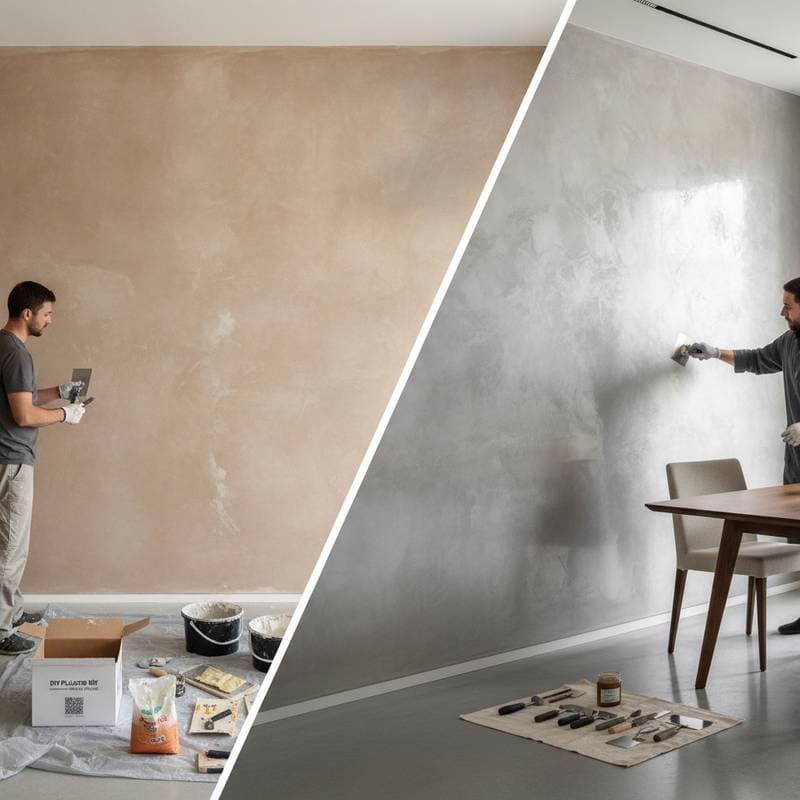
Professional installation often exceeds $6 per square foot. An average accent wall can therefore reach several hundred dollars. The following list outlines a complete material list that stays near $150 for one or two average walls:
- Pre-mixed joint compound: one 5-gallon bucket
- Universal tint or flat latex paint: two to three complementary shades
- Flexible metal trowel, 10 to 12 inches wide
- 220-grit sandpaper and a damp sponge
- Clear wax or acrylic sealer
- Painter tape, drop cloths, and mixing containers
These quantities cover an 8-by-10-foot surface with room for test batches.
Selecting and Preparing Materials
Joint compound serves as the base because it spreads smoothly and accepts color evenly. Blend the lightest shade into the compound first to create the initial coat. Subsequent batches receive progressively deeper tones from the same color family, such as warm taupe layered over cream or soft gray over silver. Three finish options exist: matte wax for a velvety surface, gloss sealer for maximum reflection, or acrylic glaze for balanced sheen.
Application Sequence
- Repair holes, sand the surface lightly, and apply primer if the existing paint is glossy.
- Mix the base color to a creamy consistency and spread it in random, thin arcs with the trowel. Allow full drying.
- Apply mid-tone and darker mixtures in overlapping, feathered patches. Keep strokes short and slightly curved to encourage natural blending.
- Once the final layer has dried to a firm but not brittle state, burnish by holding the trowel nearly flat and drawing it firmly across the surface. Additional polish can be achieved with fine sandpaper followed by a clean cloth.
- Apply the chosen sealer in a thin, even film and buff after curing.
Work in manageable sections on larger walls so edges remain workable for feathering.
Smaller-Scale Applications
Renters and those seeking practice can limit the technique to framed accent panels, cabinet doors, or stretched canvas. These surfaces receive the same layering and burnishing steps yet remain removable or portable.
Lighting and Styling Considerations
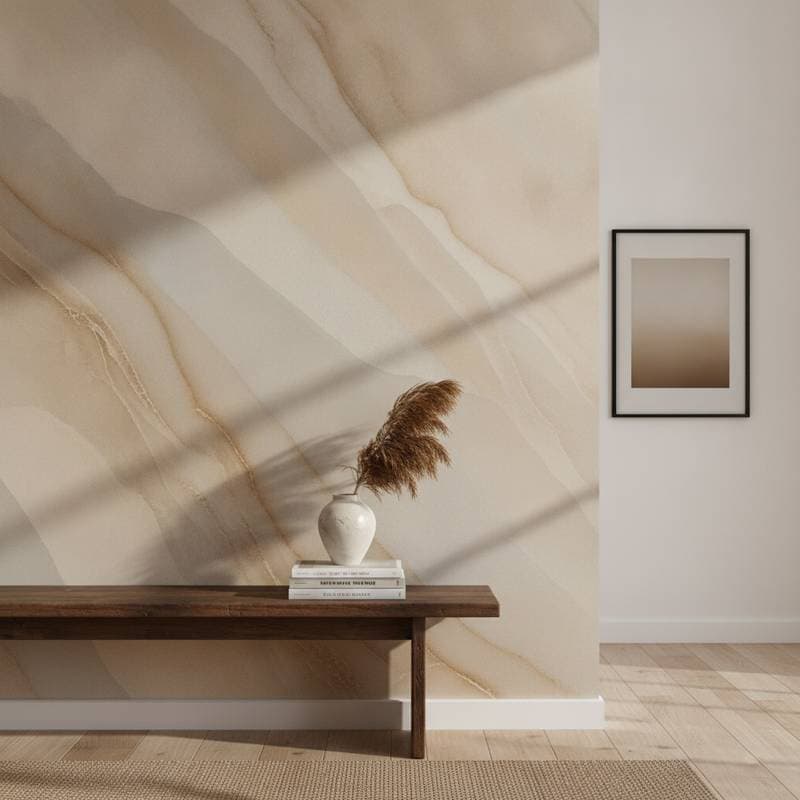
Side lighting accentuates the subtle ridges and sheen. Position lamps or wall sconces so light grazes the finished surface rather than striking it directly. Pair the texture with matte furnishings such as linen or wood to heighten contrast.
Execution Guidelines
Clean the trowel frequently to prevent drag marks. Test color combinations on scrap board before wall application. Avoid aggressive sanding that flattens the intended variation. Overlap damp edges on large areas to eliminate visible seams.
Long-Term Care
A properly sealed surface withstands regular dusting and occasional damp wiping. Touch-ups require only a small amount of matching compound feathered into the affected area. The layered texture conceals minor scuffs effectively even in hallways and powder rooms.
Business and Product Extensions
Design professionals can present this finish as a cost-effective upgrade that still conveys custom quality. Suppliers may develop pre-tinted kits that simplify color selection for first-time users. Both approaches expand market reach while preserving healthy margins.