Pros Reveal: TSP vs. Liquid Deglosser for 2025 Prep
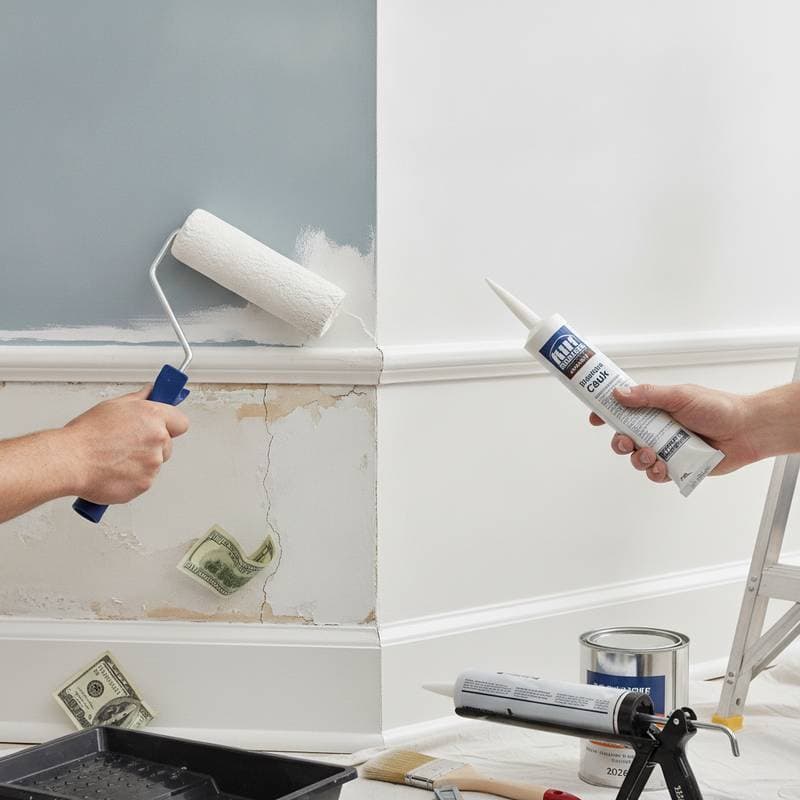
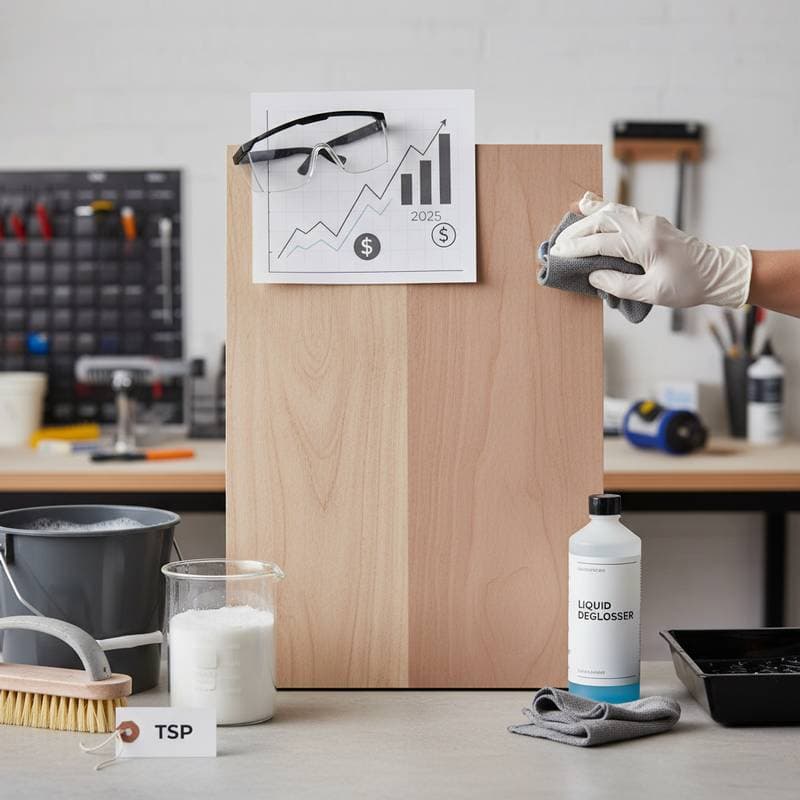
Surface preparation forms the cornerstone of any durable paint application. Repainting cabinets, walls, or trim demands meticulous cleaning and deglossing to promote optimal adhesion. Trisodium phosphate (TSP) and liquid deglosser lead as primary options for this critical phase, each addressing distinct needs in terms of cost, performance, and safety. Homeowners gain clarity on their selection by evaluating these elements, enabling effective project planning, budget control, and enduring outcomes.
Cost Overview
Prices for surface preparation products fluctuate based on brand and volume, yet standard ranges for typical purchases include the following:
- TSP cleaner: $6 to $12 per pound or $10 to $20 per gallon of premixed solution
- Liquid deglosser: $8 to $18 per quart or $20 to $35 per gallon
Powdered TSP yields multiple gallons when mixed with water, providing broad coverage for extensive tasks. Liquid deglosser carries a higher unit price but eliminates sanding efforts and enhances bonding on shiny surfaces.
Cost Breakdown by Project Size
| Project Type | TSP Cost Range | Deglosser Cost Range | Typical Application |
|---|---|---|---|
| Small room or set of cabinets | $8 - $15 | $12 - $25 | Light prep before repainting |
| Medium room or several doors | $15 - $25 | $25 - $40 | Full wall and trim cleaning |
| Whole house repaint | $30 - $50 | $40 - $70 | Multi-surface preparation |
TSP proves more economical across expansive areas, whereas liquid deglosser suits intricate tasks or high-gloss elements requiring robust attachment.
Factors Affecting Surface Prep Costs
1. Surface Type: Responses vary among wood, laminate, metal, and prior paint layers. High-gloss or oil-based substrates generally require deglosser for secure bonding, while absorbent materials thrive with comprehensive TSP cleansing.
2. Contamination Level: Areas like kitchens, bathrooms, and outdoor trim collect grease, soap films, or mold. Elevated residue demands greater quantities of cleaner and extended labor, elevating overall expenses.
3. Application Method: TSP preparation entails mixing, scrubbing, rinsing, and drying. Deglosser application involves wiping and allowing evaporation, conserving time yet potentially increasing product use per area.
4. Safety and Ventilation Needs: TSP necessitates gloves and eye protection against irritation, while deglosser releases potent vapors. Adequate airflow and gear contribute small yet essential costs to either approach.
TSP: Strength in Deep Cleaning
TSP functions as a robust degreaser, penetrating oils, fats, and accumulated dirt. It excels on kitchen cabinets, trim, and walls bearing cooking vapors or environmental pollutants. This product eliminates barriers to uniform paint bonding.
Cost Impact: Dilution extends its reach; one pound treats hundreds of square feet, ideal for substantial undertakings. The rinsing process adds minor labor, but enhanced cleanliness frequently warrants the investment.
Performance Insights:
- Superior for pre-priming or sanding decontamination
- Less suitable for sealed or glossy substrates without subsequent scuffing
- Demands complete rinsing to prevent residual interference with coatings
Liquid Deglosser: Efficiency and Surface Readiness
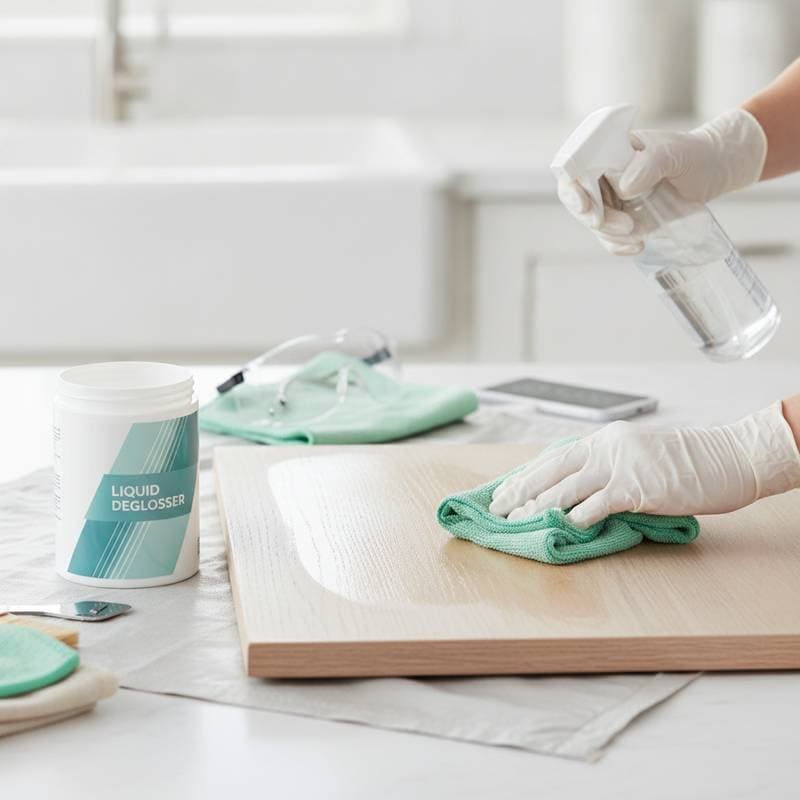
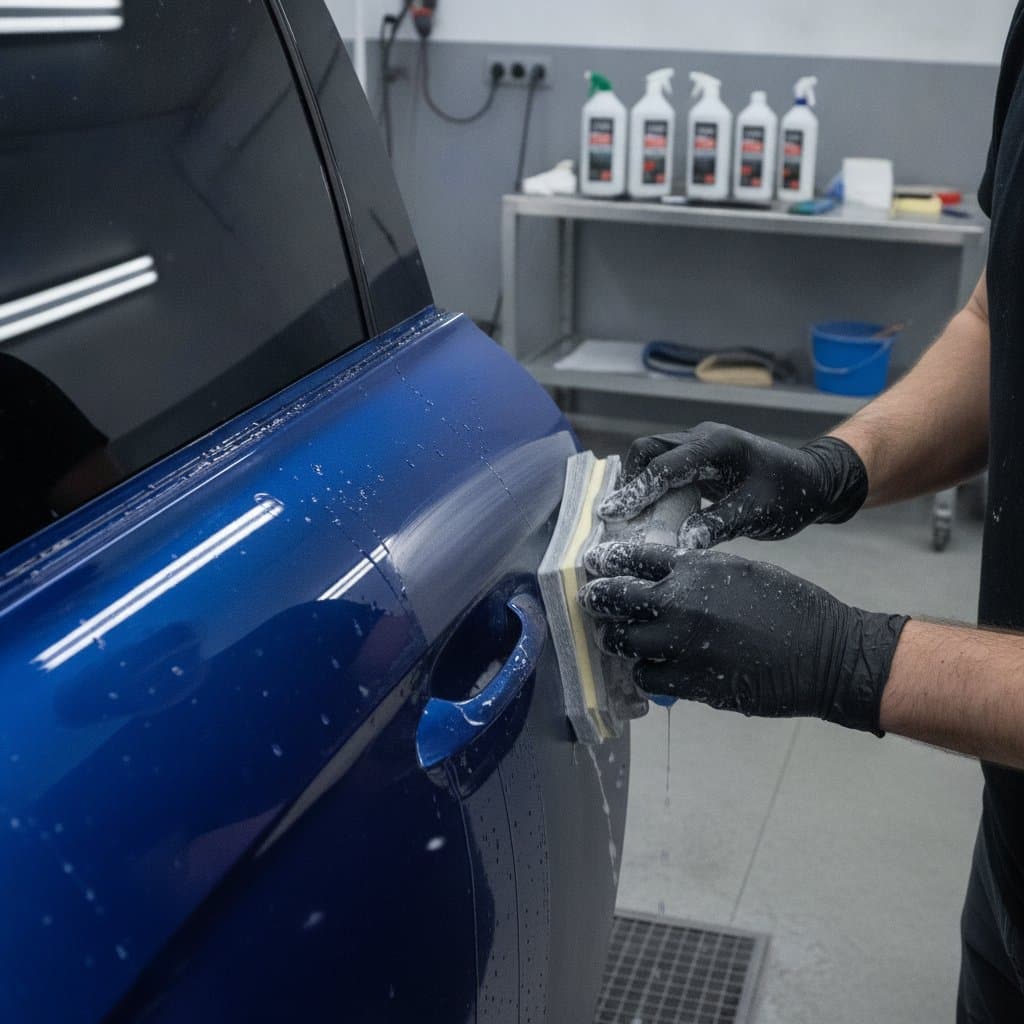
Known also as liquid sandpaper, this solution dulls shiny or sealed layers, facilitating paint grip without abrasive removal. It favors cabinetry, trim, furniture, and doors, where sanding generates excessive dust or demands precision.
Cost Impact: Elevated pricing balances through reduced preparation duration. Absent rinsing or extended drying, it streamlines workflows. A quart covers 200 to 400 square feet, varying by substrate absorbency and technique.
Performance Insights:
- Effective on varnish, lacquer, or enamel protections
- Optimal for swift refreshes and minor corrections
- Outperforms mere cleaning in securing glossy adhesion
Side-by-Side Comparison
| Feature | TSP Cleaner | Liquid Deglosser |
|---|---|---|
| Primary Purpose | Removes dirt, grease, and residue | Dulls glossy surfaces for better adhesion |
| Application Method | Mix with water, scrub, rinse, dry | Wipe on with cloth, allow to dry |
| Labor Requirement | High due to scrubbing and rinsing | Low due to no-rinse formula |
| Safety Concerns | Can irritate skin and eyes | Emits strong fumes, needs ventilation |
| Ideal Use | Heavily soiled or porous surfaces | Glossy or previously sealed finishes |
| Cost Efficiency | Excellent for large areas | Best for small to medium projects |
| Finish Impact | Leaves clean, matte surface | Slightly softens glossy finish for paint adhesion |
Value and Return on Investment
Preparation quality influences coating endurance. Inadequate steps invite flaking or blistering, necessitating premature renewal. Allocating modestly for appropriate materials prolongs surface protection by years.
- TSP delivers value via thorough decontamination that averts failures from contaminants.
- Deglosser offers value through time efficiencies and reinforced glossy bonding, minimizing future defects.
Strategic pairing maximizes benefits: TSP addresses cleanliness, followed by deglosser for adhesion assurance.
Money-Saving Strategies
- Combine Products Strategically: Target greasy zones with TSP, reserving deglosser for essential gloss reduction.
- Buy Concentrate: Opt for powdered TSP over ready-mixed for lower per-gallon rates.
- Work in Sections: Limit deglosser to controlled areas to curb evaporation losses.
- Use Proper Tools: Employ microfiber cloths and soft pads for uniform distribution and reduced overuse.
- Plan Seasonal Timing: Schedule during moderate temperatures to optimize drying and efficacy.
Professional vs. DIY Considerations
Professionals leverage experience to select and apply TSP or deglosser efficiently, often combining them for superior results on complex jobs. They possess specialized equipment for ventilation and waste management, justifying higher fees through faster completion and fewer errors. DIY enthusiasts achieve comparable outcomes with careful planning, starting with test patches to gauge product needs. Beginners benefit from tutorials on safe handling, while pros handle hazardous residues or large-scale decontamination seamlessly.
Planning Your Budget
Assess project scope by measuring square footage and noting surface conditions. Allocate 5 to 10 percent of total expenses to preparation supplies, including cleaners, tools, and safety items. Factor in time estimates: TSP adds 20 to 30 percent more labor than deglosser. Track purchases against estimates and adjust mid-project to avoid overruns, ensuring funds remain for quality paints and finishes.
Frequently Asked Questions
1. What is the average cost difference between TSP and liquid deglosser?
TSP typically ranges from $6 to $12 per pound, compared to $8 to $18 per quart for liquid deglosser. TSP provides superior coverage for expansive spaces, rendering it more economical overall, while deglosser excels in targeted applications on smaller or challenging glossy areas.
2. Which product should I use for kitchen cabinets?
Kitchen cabinets frequently exhibit grease alongside glossy coatings. Experts advise initial TSP cleaning to eliminate oils, succeeded by liquid deglosser application prior to painting. This sequence guarantees cleanliness and reliable adhesion.
3. How can I save money when preparing surfaces?
Purchase concentrated TSP powder and prepare batches as required; apply deglosser judiciously on glossy sections only. Perform initial cleaning independently to lower professional labor charges.
4. Is deglosser safer than sanding?
Deglosser avoids dust creation and associated cleanup. Solvents within it require ventilation and gloves, yet it presents fewer risks for precision work on trim and furnishings when guidelines are followed.
5. Can I skip TSP if I use deglosser?
Omit TSP at peril on greasy, soiled, or tacky surfaces, as deglosser targets gloss rather than contaminants. Prior cleaning enables deglosser to perform optimally.
6. What is the best way to plan for surface prep in a painting project?
Calculate total area, classify surface types, and choose products accordingly. Reserve a budget segment for supplies, protection, and preliminary tests before comprehensive execution.