TSP Banned: Top Alternatives for 2025 Paint Prep
For decades, trisodium phosphate, known as TSP, served as a staple cleaner for painters and homeowners preparing surfaces for painting. This compound effectively removes grease, eliminates dirt, and dulls glossy finishes to promote strong paint adhesion. However, evolving environmental regulations and health concerns have prompted restrictions on TSP in numerous regions, necessitating a shift toward sustainable substitutes.
Selecting the right TSP alternatives enables homeowners to secure professional results while prioritizing safety and regulatory compliance. This guide details TSP's functions, the reasons for its phase-out, and proven products and techniques that replicate its performance in contemporary painting endeavors.
Why TSP Faces Restrictions
TSP consists of sodium and phosphate compounds that deliver robust cleaning power. The phosphate component poses significant environmental risks, as it enters waterways upon rinsing and fosters algae blooms that disrupt aquatic ecosystems. Furthermore, TSP irritates skin and eyes, and its improper disposal contaminates soil.
Regulatory bodies in various areas now limit phosphate-based cleaners, prompting the adoption of biodegradable options that preserve cleaning efficacy. These substitutes minimize ecological harm while ensuring surfaces remain prepared for optimal paint bonding.
Essential Requirements for Paint Preparation
Effective paint prep addresses specific challenges to guarantee lasting results. Homeowners benefit from understanding these needs before selecting cleaners. The process encompasses four primary objectives:
- Dirt and grease removal: Eliminates barriers to paint adhesion.
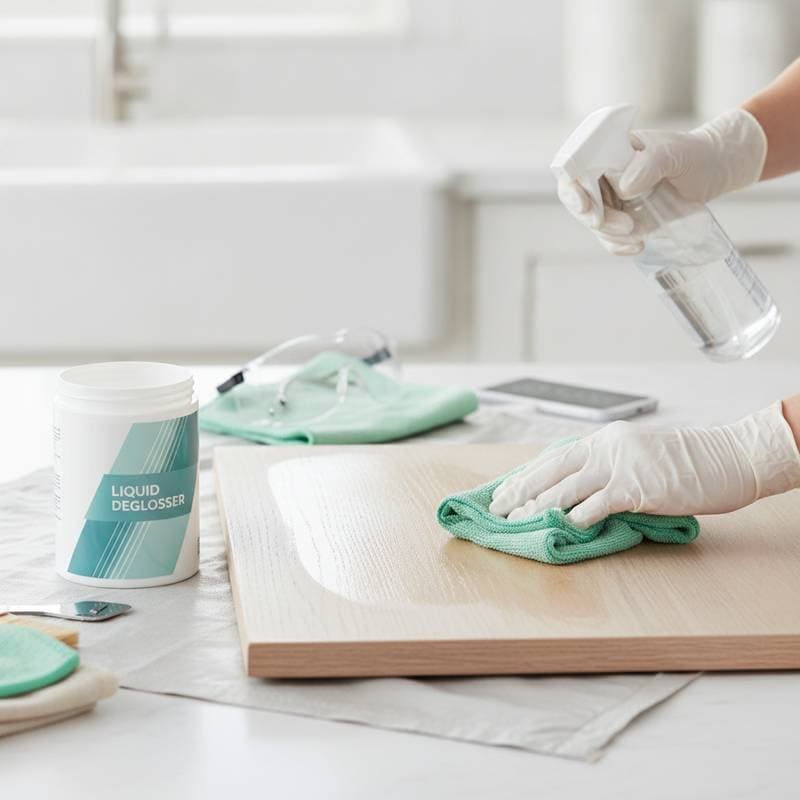
- De-glossing: Reduces shine on existing finishes for better grip.
- Mildew elimination: Eradicates spores to prevent growth under fresh paint.
- Residue-free finish: Ensures no contaminants hinder bonding.
Viable TSP replacements must fulfill these criteria using non-toxic formulations that avoid environmental drawbacks.
Project Cost Breakdown
Average Cost Ranges
- Basic cleaners: $10 to $20 per gallon
- Professional phosphate-free options: $20 to $35 per gallon
- Premium biodegradable solutions: $30 to $45 per gallon
Included Features
- Concentrated formulas covering large areas
- Degreasing and de-glossing agents
- Inhibitors for mold and mildew
- Rinse-required or no-rinse varieties
Additional Expenses
- Repair materials such as fillers or sandpaper
- Targeted cleaners for smoke damage or heavy stains
- Safety equipment including gloves, masks, and goggles
Cost-Influencing Factors
| Factor | Cost Impact | Examples |
|---|---|---|
| Surface area | Increases material needs | Entire house versus one room |
| Contamination degree | Demands greater product volume | Kitchen grease or smoke residue |
| Cleaner strength | Reduces per-use expense | Water-dilutable concentrates |
| Brand reliability | Adds premium for performance | Eco-certified, high-degreasing options |
Budgeting involves evaluating project scale and surface conditions to select cost-effective cleaners without sacrificing quality.
Leading TSP Alternatives for Surface Preparation
1. Phosphate-Free TSP Substitutes
Hardware retailers stock phosphate-free versions that replicate TSP's potency through sodium carbonate and surfactants. These cleaners lift grease and dirt from wood, drywall, and masonry surfaces, rinsing cleanly with water alone.
Best suited for: Routine interior and exterior prep.
Cost estimate: $15 to $25 per gallon.
Apply by diluting according to label instructions, scrub with a soft brush, and rinse to reveal a primed surface ready for painting.
2. Borax-Based Formulations
Borax, a natural mineral salt, offers degreasing and mild abrasion when dissolved in warm water. It proves non-toxic with proper use and excels at routine maintenance, though it handles less severe buildup than TSP.
Best suited for: Moderate cleaning of walls and trim.
Cost estimate: $10 to $15 per gallon from powder mixes.
Mix one cup of borax per gallon of water, apply via sponge, and wipe dry to dull surfaces effectively for primer application.
3. Vinegar and Baking Soda Mixtures
Homeowners favoring natural remedies find value in combining vinegar's acidity with baking soda's scrubbing action. This duo tackles mineral deposits and light soils in kitchens or bathrooms without harsh residues.
Best suited for: Minor repairs and delicate areas.
Cost estimate: Less than $10 for typical jobs.
Prepare by sprinkling baking soda on damp surfaces, spraying vinegar to fizz, then scrubbing and rinsing for a clean, matte finish.
4. Commercial Degreasers
Phosphate-free industrial degreasers surpass TSP on stubborn grime, often employing citrus solvents for rapid oil dissolution. They suit high-traffic zones like garages or exteriors with accumulated pollutants.
Best suited for: Grease-heavy kitchens or smoke-affected walls.
Cost estimate: $25 to $40 per gallon.
Dilute as directed, apply with a cloth or sprayer, agitate tough spots, and rinse to ensure thorough degreasing before painting.
5. Oxygen Bleach Solutions
These cleaners activate sodium percarbonate with water to produce hydrogen peroxide, providing disinfection and mildew removal sans chlorine's intensity. They prepare outdoor elements like siding or decks for durable coatings.
Best suited for: Mildew-vulnerable exteriors.
Cost estimate: $20 to $30 per gallon equivalent.
Mix per instructions, soak surfaces for 15 minutes, scrub, and rinse to eliminate spores and brighten wood for optimal stain or paint uptake.
Professional Versus DIY Strategies
Engaging Professional Services
Experts deploy potent, compliant phosphate-free cleaners for superior results. Services guarantee adherence to local rules, with fees of $1 to $3 per square foot based on complexity.
Professionals handle intricate prep, integrating cleaning with repairs for seamless outcomes.
DIY Implementation
Homeowners save on labor for modest tasks by buying concentrates and using basic tools. Expect $20 to $60 in supplies for a room, plus several hours for application and drying.
Success demands meticulous rinsing to prevent adhesion issues.
Indicators for Professional Assistance
Opt for pros on expansive properties, mold-infested surfaces, or projects needing integrated sanding and priming. They excel in time-sensitive or physically demanding scenarios.
Preparation Process and Safety Measures
- Don protective equipment: Use gloves, goggles, and masks to shield against irritants.
- Conduct spot tests: Verify cleaner compatibility on inconspicuous areas.
- Adhere to mixing guidelines: Dilute concentrates precisely to avoid damage.
- Proceed top-down: Start with ceilings, advance to walls, and conclude with trim.
- Rinse completely: Clear all loosened debris, even with low-residue products.
- Ensure full drying: Wait until surfaces feel dry to the touch for best adhesion.
These steps minimize risks and maximize prep efficiency.
Verifying Preparation Quality
Prepared surfaces exhibit a clean, smooth, matte texture free of gloss or slickness. Paint applies evenly without defects like fisheyes. Persistent residue warrants re-cleaning with a milder dilution.
For exteriors, incorporate pressure washing post-scrubbing. Professionals use a white cloth wipe test; any transferred dirt signals further attention before priming.
Strategizing Your Painting Project
Begin by inspecting surfaces for grease, smoke, or mildew to guide cleaner selection. Mild detergents suffice for low-soil interiors, while robust options address exteriors.
Account for drying periods to avert moisture-related failures like bubbling. Segment large jobs into manageable areas, maintaining ventilation for quicker evaporation. Consult experts for material-specific advice to align prep with your chosen paint system.
Thorough planning yields durable, visually appealing finishes that enhance home value.
Frequently Asked Questions
1. What influences the expense of TSP alternatives?
Product type, dilution potential, and surface soiling dictate costs. Water-dilutable concentrates offer superior value, while intensive cleaning on contaminated areas elevates material and effort demands. Eco-labeled degreasers incur modest surcharges for assured performance.
2. How much time does substitute-based prep require?
Duration hinges on scale and grime extent; a room takes two to four hours with drying, whereas exteriors span one to two days. Ventilation accelerates the process with residue-minimal cleaners.
3. Do natural mixtures match commercial cleaners?
Vinegar and baking soda manage light duties effectively but falter on dense grease or gloss. Formulated phosphate-free products ensure reliable adhesion on demanding surfaces, reserving homemade blends for minor tasks.
4. How to select an appropriate TSP substitute?
Match choices to surface and contamination: degreasers for kitchens, oxygen variants for outdoors, and all-purpose phosphate-free for versatility. Label review and small-scale testing confirm suitability.
5. What precedes paint application?
Execute full cleaning, rinsing, and drying, followed by light sanding of glossy spots, hole patching, and primer if required. This sequence fosters strong bonding and longevity.
6. How to sidestep common prep pitfalls?
Incomplete rinsing or residues cause adhesion failures and uneven coats. Dilute correctly, dry fully, and follow instructions to mitigate these issues reliably.