Understanding the TSP Shift: Essential Cleaners for Superior Paint Preparation
Proper surface preparation forms the cornerstone of any successful paint application. Without thorough cleaning, premium paints may peel, bubble, or fail to bond effectively. For many years, trisodium phosphate, known as TSP, served as the standard cleaner for professionals, effectively removing grease, eradicating mildew, and providing the subtle texture required for optimal paint adhesion. However, evolving environmental regulations and safety standards have curtailed or prohibited TSP in numerous locations, compelling both contractors and homeowners to adopt more sustainable alternatives.
This resource details the reasons behind the TSP phase-out, highlights leading replacement products currently available, and offers guidance on preparing surfaces to achieve professional-quality paint outcomes.
Reasons for Transitioning from TSP
TSP delivers robust cleaning performance, yet its phosphate components pose significant environmental risks. When washed into drainage systems, phosphates fuel excessive algae proliferation in water bodies, which depletes oxygen and disrupts aquatic ecosystems. Consequently, various jurisdictions have imposed bans or limitations on phosphate-containing cleaners like conventional TSP. These ecological issues, alongside demands for healthier household chemicals, have accelerated the adoption of phosphate-free alternatives that maintain efficacy while minimizing harm.
Breaking Down the Expenses of Surface Preparation
Although cleaning appears secondary to the painting process itself, it typically represents 10 to 20 percent of overall project expenses. Experienced painters allocate considerable time and resources to guarantee that surfaces remain clean, dry, and primed for application. Inadequate cleaning can result in squandered paint supplies and extended labor periods, inflating costs unexpectedly.
The following table outlines approximate costs for paint preparation tasks, incorporating TSP alternatives:
| Task | Basic Range | Standard Range | Premium Range | Key Differences |
|---|---|---|---|---|
| Wall Cleaning | $0.20 - $0.40 per sq. ft. | $0.40 - $0.70 per sq. ft. | $0.70 - $1.00 per sq. ft. | Cleaner quality, surface material, labor effort |
| Degreasing (Kitchens/Baths) | $0.30 - $0.60 per sq. ft. | $0.60 - $0.90 per sq. ft. | $0.90 - $1.20 per sq. ft. | Intensity of solutions for stubborn residues |
| Mold or Mildew Treatment | $0.50 - $1.00 per sq. ft. | $1.00 - $1.50 per sq. ft. | $1.50 - $2.00 per sq. ft. | Contamination extent and treatment method |
These estimates encompass materials and labor for professional execution. For do-it-yourself projects, material expenses decrease, though time investment and physical demands increase substantially.
Leading TSP Alternatives for Effective Paint Prep
A range of phosphate-free cleaners now rivals or surpasses TSP in effectiveness, all while avoiding its ecological drawbacks. The ideal choice hinges on surface characteristics and the degree of contamination present.
1. Phosphate-Free TSP Substitutes
Widely stocked at hardware retailers, these products replicate TSP's grease-cutting abilities through non-toxic formulations. They prove suitable for walls, trim, and ceilings, depositing scant residue and necessitating only brief rinsing. To apply, dilute according to label instructions, scrub with a soft brush, and wipe clean with a damp cloth for residue-free results.
2. Krud Kutter Pre-Paint Cleaner
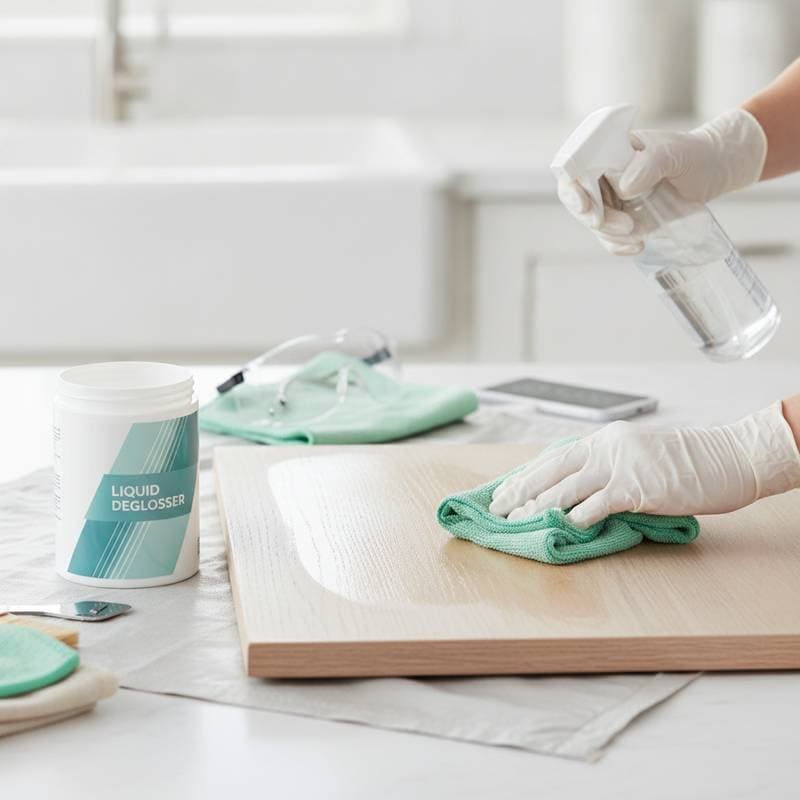
This biodegradable formula excels at eliminating wax, grease, and dirt, making it perfect for de-glossing shiny surfaces prior to painting. Non-toxic and appropriate for indoor environments, it requires minimal protective equipment. Spray directly on the surface, allow a few minutes to penetrate, then rinse thoroughly to prepare for primer.
3. Simple Green All-Purpose Cleaner
An eco-conscious, non-abrasive option that handles everyday dirt and light soiling adeptly. It leaves no toxic remnants and suits both indoor and outdoor applications. Mix with water in a spray bottle, apply liberally, agitate gently, and rinse to ensure a pristine base.
4. Vinegar and Water Solution
This economical, homemade mixture neutralizes odors and tackles light accumulations affordably. While insufficient for severe grease, it supports routine upkeep. Combine equal parts white vinegar and water, spray onto the surface, scrub lightly, and dry completely before proceeding.
5. Borax-Based Cleaners
Borax offers cleaning prowess akin to TSP with reduced environmental footprint. It penetrates grime efficiently, though comprehensive rinsing remains essential pre-painting. Dissolve borax in warm water, apply via sponge, scrub, and flush multiple times to remove all traces.
Key Influences on Paint Preparation Expenses
Multiple variables determine the overall cost of cleaning and readying surfaces:
Surface Condition: Extensive grease, nicotine residue, or mildew demands potent cleaners and extra labor, elevating expenses.
Surface Type: High-gloss paints, textured finishes, or wooden elements often require targeted products or post-cleaning sanding.
Accessibility: Elevated areas or outdoor facades necessitate additional time, tools, and safety protocols.
Product Selection: Sustainable or high-end cleaners carry higher prices but frequently expedite the process and mitigate health hazards.
Labor and Safety Protocols: Trained teams employ gear like gloves and masks, plus ventilation systems, contributing to costs while safeguarding quality and well-being.
Strategies to Reduce Paint Prep Costs
- Perform preliminary light cleaning independently to diminish professional labor fees.
- Opt for concentrated cleaners that dilute for extended use across projects.
- Schedule cleaning in temperate conditions to accelerate drying and enhance adhesion.
- Purchase supplies in larger quantities for expansive surfaces, reducing unit pricing.
- Conduct patch tests on inconspicuous areas to confirm product compatibility and prevent waste.
Allocating Funds for Your Painting Project
Reserve a dedicated budget segment for preparation in any painting endeavor. For a typical home interior, basic do-it-yourself cleaning might span $200 to $400, whereas professional services range from $400 to $800. Allocate additional funds for challenging zones like grease-laden kitchens, external structures, or mold-affected areas to avoid underestimation.
Investing in thorough preparation yields enduring benefits, such as paints that resist wear and require less frequent touch-ups, ultimately preserving resources over time.
Frequently Asked Questions
What Products Have Replaced TSP in Paint Preparation?
Phosphate-free TSP equivalents, Krud Kutter, and Simple Green stand as primary substitutes. They deliver strong cleaning without the pollution risks associated with traditional TSP.
Why Do Some Regions Ban TSP?
The phosphate in TSP exacerbates water pollution by encouraging algae blooms that deplete oxygen in aquatic environments, prompting regulatory restrictions.
Is It Permissible to Use Existing TSP Supplies?
In many locations, limited domestic application remains legal, provided disposal and rinsing follow guidelines. Verify local laws prior to use.
How Do You Prepare Walls for Painting Sans TSP?
Employ a phosphate-free cleaner, rinse meticulously, and permit full drying. For oily spots, apply multiple cleanings or sand glossy areas lightly.
Do TSP Alternatives Match the Original's Effectiveness?
Contemporary options equal or better TSP for typical residential tasks. Many demand less rinsing and pose fewer risks to users and ecosystems.
How Can One Minimize Cleaning Expenses Before Painting?
Manage simple tasks personally, select versatile products, and book services during off-peak seasons for potential discounts from contractors.