Navigating TSP Restrictions: Deglossers Preferred by Professionals in 2025
Proper preparation forms the foundation of any successful paint job. A smooth, durable finish begins well before applying the first coat. For years, professionals depended on trisodium phosphate, known as TSP, to cleanse surfaces and remove gloss, ensuring strong paint adhesion. Regulatory changes have restricted TSP availability in many areas due to environmental concerns. Fortunately, professionals have transitioned to reliable alternatives that maintain high performance. This guide examines current options and techniques for achieving professional results.
The Role of TSP in Traditional Preparation
TSP excelled at removing grease, residue, and fingerprints while dulling glossy surfaces to promote bonding. Its quick action and simple rinsing made it efficient for various projects. However, phosphate discharge from TSP contributes to algal blooms in water systems, prompting widespread restrictions. Both professionals and homeowners must identify compliant substitutes that deliver comparable cleaning and deglossing without ecological harm.
Preferred Alternatives Among Professionals
Contemporary preparation tools prioritize safety and efficiency. Several deglossers surpass TSP in speed and user-friendliness. Below are the leading choices used by experts today.
1. Liquid Sandpaper Deglossers
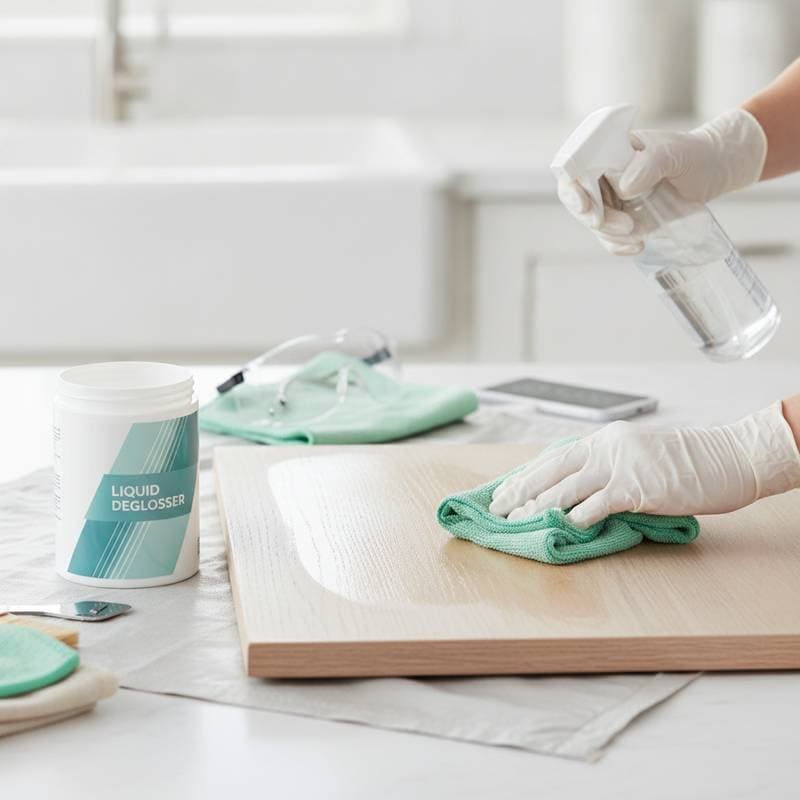
These solutions, often called liquid deglossers, eliminate the need for extensive sanding by chemically etching glossy finishes. Apply with a lint-free cloth, allow a brief dwell time, and proceed to painting. Reputable brands such as Klean-Strip and Krud Kutter offer formulations suitable for wood, laminate, and painted trim.
For smaller tasks, a pint suffices, keeping costs low. Professionals recommend adequate ventilation and glove use. Process one area at a time to ensure uniform dulling, as these products act rapidly.
2. Phosphate-Free Cleaners
Products marketed as TSP substitutes provide robust cleaning through biodegradable ingredients like sodium carbonate. They effectively eliminate dirt and oils, essential prior to deglossing or priming.
A basic mixture of warm water and mild dish soap serves for light degreasing at minimal expense. For heavier buildup, options like Savogran TSP Substitute or Zep Heavy-Duty Cleaner deliver enhanced performance. Concentrated professional formulas allow dilution for precise application on extensive surfaces.
3. Eco-Friendly Deglossers
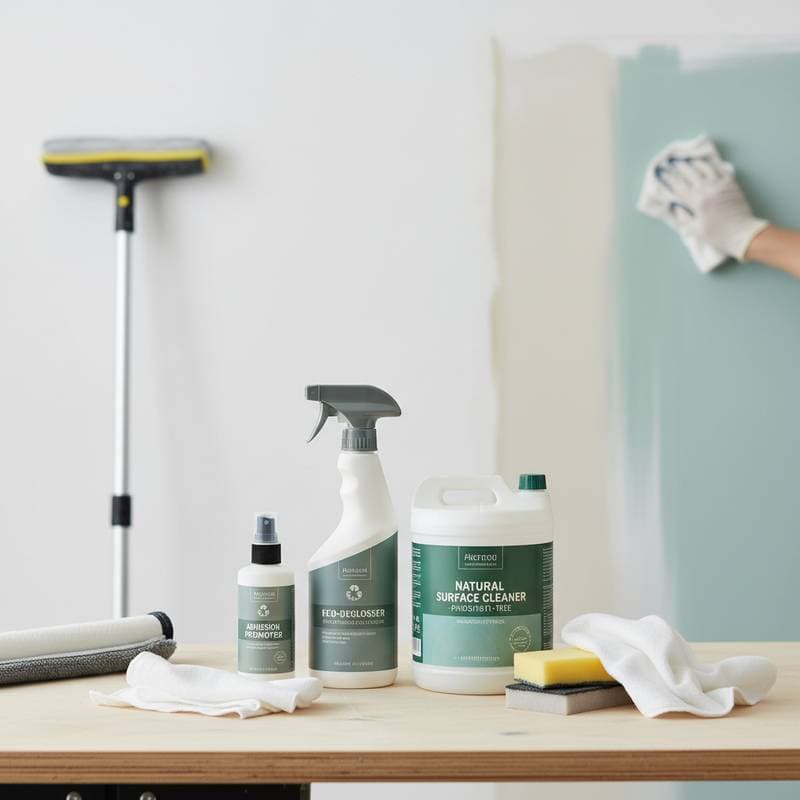
Sustainable formulations incorporate plant-based solvents and low-VOC components to penetrate gloss without strong odors. These comply with stringent regulations and suit indoor environments with limited airflow. They prove ideal for occupied residences or compact workspaces.
Convenient wipe formats simplify application on intricate areas like door frames and cabinets.
Selecting the Appropriate Deglosser
Choice hinges on surface type, project timeline, and chemical tolerance.
- For wood trim or cabinets, select liquid deglossers to achieve even dulling and adhesion.
- For walls or ceilings, combine phosphate-free cleaners with light scuff sanding.
- For metal or laminate, apply a bonding primer post-cleaning to enhance chemical grip.
Test readiness by gliding a hand over the surface; a matte, slightly tacky feel indicates preparedness for priming or painting. If slickness persists, reapply deglosser or use fine-grit sandpaper.
Insights from Professional Projects
Experience in television set design underscores the importance of thorough preparation under time constraints. Improperly dulled glossy edges reflect light and reveal imperfections on camera. Liquid deglossers streamline the process, ensuring even finishes on lacquered surfaces.
In a rapid kitchen update, a low-odor, biodegradable deglosser treated cabinet doors efficiently. Even application, adherence to dwell time, and immediate priming yielded flawless results visible both on-site and in footage.
Application Techniques: DIY and Professional
Homeowners require minimal equipment: lint-free cloths, gloves, and careful execution. Professionals employ advanced tools for scale and precision.
DIY Approach:
- Begin with a mild detergent wash to remove contaminants.
- Apply deglosser in overlapping strokes with a cloth.
- Allow complete drying before advancing to sanding or painting.
Professional Approach:
- Deploy surface cleaners via low-pressure sprayers for uniform coverage.
- Apply high-adhesion primer directly after dulling.
- Inspect under optimal lighting to identify residual gloss.
Efficiency and consistency define professional methods, applicable from small fixtures to large commercial interiors.
Preventing Typical Errors
- Neglect rinsing: Residue from certain cleaners impairs adhesion; follow label directives.
- Excessive sanding post-deglossing: This disrupts uniformity and absorption.
- Combining mismatched products: Maintain a single preparation system.
- Premature handling: Skin oils compromise bonding; wait for full curing.
Essential Techniques for Optimal Results
- Test products on inconspicuous areas first.
- Rinse with cool, clean water to prevent streaks.
- Designate separate rags for clean and soiled tasks to avoid cross-contamination.
- Seal containers tightly to preserve cleaner potency.
- Pair glossy furniture prep with bonding primer for superior hold.
Achieving Enduring Finishes
Meticulous surface preparation extends paint life, reduces chipping, and preserves vibrancy over time. This foundational step elevates any project, from heirloom restoration to space refreshment. Embrace these TSP-free methods to safeguard both workmanship and the environment, paving the way for confident, professional painting.