The $800 Sanding Mistake DIY Painters Always Make
Every paint job begins with preparation that sets the stage for success. The quality of the final finish hinges on thorough surface preparation. One common error in this process can lead to costs exceeding $800 in repainting, materials, and lost time. This mistake involves inadequate sanding and cleaning, which undermines paint adhesion and longevity.
Professional painters emphasize that proper preparation prevents failures such as peeling or uneven coverage. By understanding and avoiding this oversight, individuals can achieve durable, attractive results without unnecessary expenses.
Reasons This Mistake Occurs Frequently
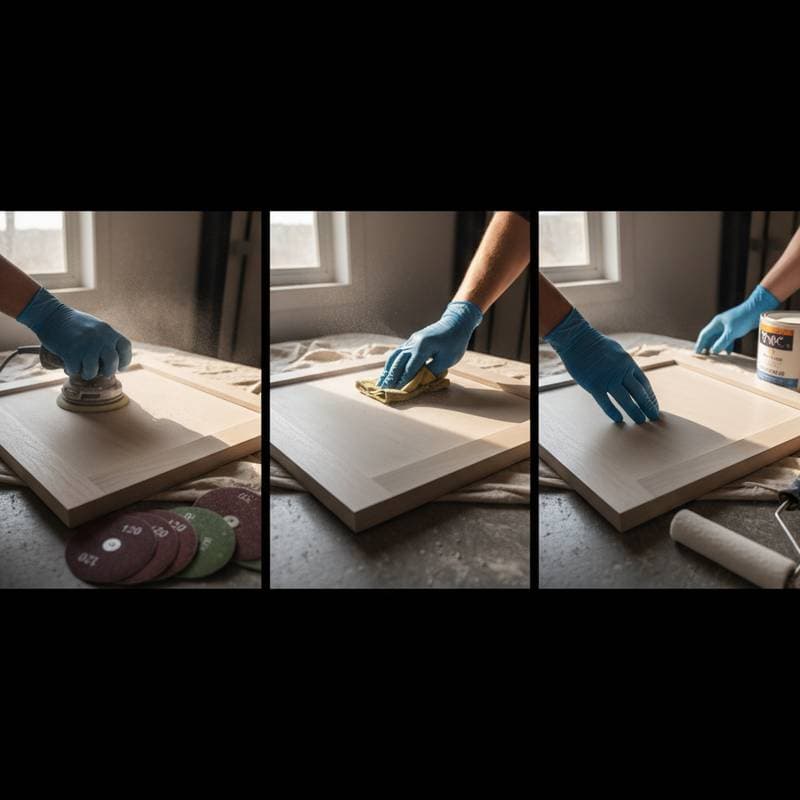
Sanding appears straightforward, yet it demands attention to detail. Many individuals rush the progression from coarse to fine grits, leaving subtle scratches that collect debris. Such imperfections become visible once paint dries under normal lighting conditions.
Dry wiping often seems sufficient for cleanup, but it fails to remove all particles. Professionals observe that time constraints, as seen in fast-paced design projects, encourage shortcuts. These choices reveal flaws later, requiring rework that inflates costs.
The Role of Residual Dust in Paint Failure
Dust remaining after sanding acts as a barrier between the surface and the paint. Particles create weak bonds, leading to premature failure. Effective removal requires a systematic approach to ensure a clean substrate.
Follow this professional sequence for optimal results:
- Vacuum the surface with a soft brush attachment to capture loose particles.
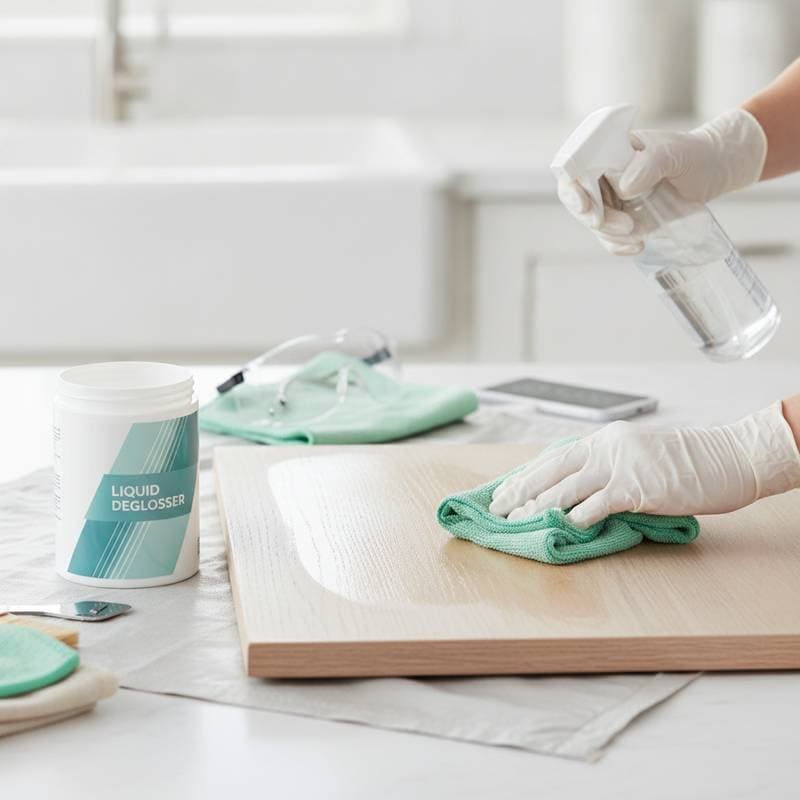
- Wipe using a damp microfiber cloth or tack cloth to lift embedded dust.
- Allow the surface to dry fully before applying paint.
For enhanced dust control, lightly mist the area with water and permit settling for several minutes. This method minimizes airborne contaminants and promotes better adhesion.
Selecting Tools for Effective Sanding on Any Budget
Quality preparation relies on appropriate tools, accessible across budget levels. Each option supports consistent results when paired with proper techniques.
Options Under $50:
- Purchase sandpaper packs with grits ranging from 80 to 220 for versatile use.
- Employ a sanding block to maintain even pressure and avoid gouges.
- Utilize a household vacuum for initial debris removal.
- Clean with a damp cloth and mild soap solution for thorough wiping.
Options from $50 to $200:
- Acquire a random orbital sander to distribute pressure uniformly and reduce fatigue.
- Choose mesh sanding pads that resist clogging during extended sessions.
- Incorporate a shop vacuum with fine filtration for efficient cleanup.
Options Over $200:
- Invest in a sander equipped with dust extraction and a HEPA filter to contain particles.
- Maintain a kit of specialized abrasives suited to wood, drywall, or metal surfaces.
- Use a portable LED work light to inspect for remaining imperfections.
These tiers differ primarily in efficiency rather than outcome. Diligent application of basic tools yields professional-grade finishes.
Understanding Paint Adhesion Fundamentals
Paint adheres through mechanical interlocking and chemical interactions. Mechanical bonding occurs as paint fills microscopic surface textures . Chemical bonds form when a pristine surface allows molecular links between paint and substrate.
Contaminants like dust or oils disrupt these processes, weakening the coating. Testing adhesion involves applying and removing tape after curing; peeling indicates preparation deficiencies. This principle applies equally to interior walls and exterior surfaces, ensuring long-term durability.
Insights from Professional Production Environments
In high-pressure settings like television sets, preparation remains non-negotiable despite tight schedules. Crews prioritize sanding and cleaning to meet exacting standards under intense lighting. Such discipline prevents visible defects that could ruin the final appearance.
A notable incident involved a team member omitting the final cleaning step. The surface appeared adequate initially, but studio lights exposed dust patterns during filming. Resanding consumed hours, reinforcing the value of meticulous prep over haste.
Achieving Lasting Results Through Proper Preparation
Investing time in sanding and cleaning transforms DIY projects into enduring successes. This approach saves resources by avoiding rework and extends the life of the paint job. Homeowners gain confidence in their skills, producing spaces that withstand daily use and aesthetic scrutiny.
Apply these strategies to any project, from a single room to a complete home refresh. The result is a smooth, vibrant finish that enhances living environments without the pitfalls of common errors.