The $800 Dust-Free Drywall Sander: Eliminate Mess and Boost Efficiency
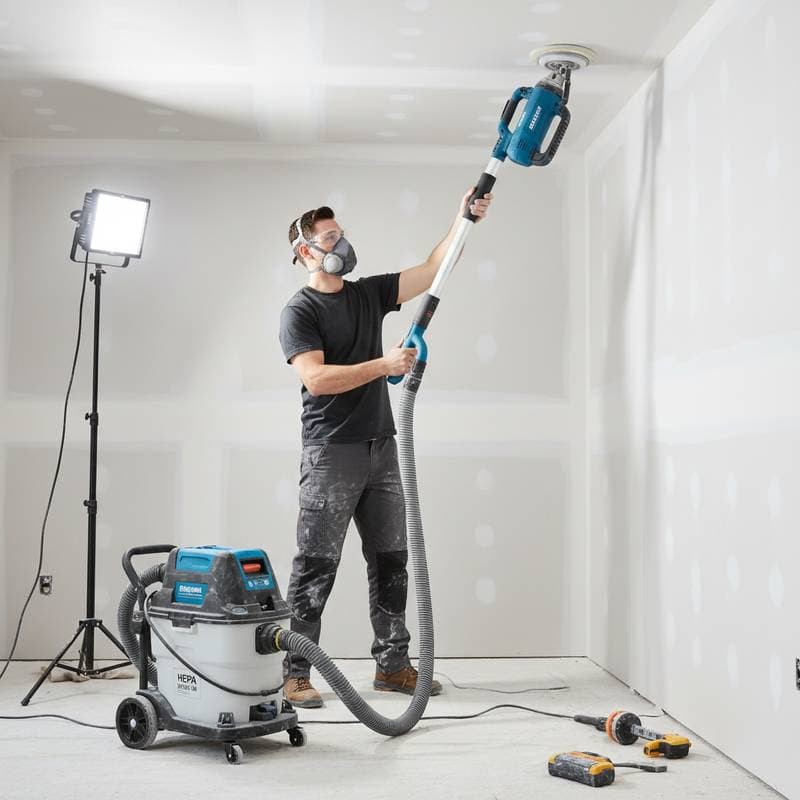
Drywall sanding ranks among the most challenging tasks in painting and renovation projects. Fine particles scatter across rooms, settling on walls, furniture, and ventilation systems. Traditional approaches require thorough cleanup and pose health risks from inhaled dust. Dust-free sanders have revolutionized surface preparation for professionals and homeowners alike. These tools provide exceptional dust containment. Models priced around $800 deliver superior performance, cleanliness, and speed, justifying the investment for serious users.
Overview of Dust-Free Sander Costs
High-end dust-free drywall sanders generally cost between $600 and $800. Professionals often select setups around $750 that include the sander, vacuum integration, and essential attachments. Basic options begin at $400, whereas top-tier kits exceed $900 based on brand and extraction capabilities.
Cost Ranges by Sander Type
- Basic handheld dust-free sander: $400 to $550
- Mid-range pole sander with vacuum: $600 to $800
- Professional integrated dust-extraction system: $800 to $1,000
Detailed Cost Breakdown
| Component | Cost Range | Included Elements |
|---|---|---|
| Sander Unit | $250 to $400 | Motorized head, adjustable pole, discs |
| Dust Extraction Vacuum | $250 to $350 | HEPA filter, hose, collection bag |
| Accessories and Discs | $50 to $100 | Pads, replacement filters, connectors |
| Setup and Maintenance | $50 to $150 | Assembly tools, calibration, spare parts |
Key Factors Influencing Costs
Several elements determine the price of dust-free sanders. These factors allow users to assess value based on project needs.
Motor Power and Efficiency
Powerful motors process large areas quickly while sustaining strong suction. A 600-watt model works for minor jobs, but 1,000-watt units ensure optimal dust capture and surface quality. Greater power elevates purchase and energy expenses.
Dust Extraction Technology
Superior vacuums and filters command higher prices. Dual-stage HEPA systems trap 99 percent of particles, enhancing air purity and minimizing post-job cleaning. Features like airflow controls or self-cleaning mechanisms add $150 to $300.
Build Quality and Materials
Durable aluminum frames and reinforced plastics reduce wear during prolonged sessions. Anti-static hoses and flexible connections avoid blockages. Such enhancements typically increase costs by $100 to $200.
Brand and Warranty
Reputable names such as Festool and Mirka provide robust warranties and reliable support. The premium pricing covers extended service and easy access to parts, yielding savings over budget options.
Accessories and Compatibility
Certain sanders pair with standard shop vacuums, lowering expenses. Proprietary setups demand specific replacements, impacting long-term costs for discs and filters.
Performance Comparison Across Levels
| Model Type | Basic Range | Standard Range | Premium Range | Key Differences |
|---|---|---|---|---|
| Suction Power | 200 to 300 W | 400 to 600 W | 700 to 1,000 W | Enhanced suction refines air and finishes |
| Filter System | Single-stage | Dual-stage | HEPA multi-stage | Advanced filters cut dust and effort |
| Weight | 10 to 12 lbs | 8 to 10 lbs | 6 to 8 lbs | Reduced weight eases handling |
| Lifespan | 2 to 3 years | 4 to 5 years | 6 to 8 years | Superior construction prolongs use |
Justifying the $800 Investment
The $800 price point deters some buyers, yet the advantages in output and workflow prove compelling. Conventional sanding demands extensive preparation and hours of tidying. Dust-free models reduce cleanup by 80 percent and maintain healthier environments. Professionals finish projects faster, increasing productivity.
Savings accumulate through lower labor and waste. Minimal dust allows thinner primer and paint layers for flawless results. Reliable extraction avoids surface defects, eliminating corrections. Across multiple jobs, these gains surpass the initial outlay.
Practical Ways to Save on Dust-Free Sanding
Achieve dust-free benefits affordably with targeted approaches.
- Rent for trials. Equipment rentals run $40 to $60 per day, allowing performance evaluation without full commitment.
- Integrate existing tools. Combine a mid-tier sander with a current vacuum to cut $200 to $300.
- Prep surfaces manually. Address major imperfections by hand to preserve tool efficiency and disc durability.
- Schedule maintenance. Routine filter care sustains suction and extends operational life.
Assessing Long-Term Value
Dust-free sanders enhance outcomes beyond convenience. Pristine surfaces yield superior paint adhesion and fewer flaws. Contractors gain client approval and can charge premium rates for clean processes. Homeowners experience minimal disruption and quicker timelines.
Calculate return by factoring total ownership costs. An $800 unit, properly cared for, endures eight years at about $100 annually. Project efficiencies and quality upgrades deliver returns from the outset.
Building a Realistic Budget
Evaluate sanding frequency before deciding. Regular users recoup expenses swiftly; infrequent ones benefit from rentals. Account for extras like discs and filters in planning. Allocate 10 percent extra for unforeseen needs.
Essential budget elements include:
- Purchase or rental: $400 to $800
- Supplies and add-ons: $50 to $150
- Yearly upkeep: $50 to $100
This framework balances expenses with reliable results.
Frequently Asked Questions
What makes dust-free sanders worth the higher cost?
These tools capture nearly all particles at the source, slashing cleanup and health risks. Professionals report 50 percent faster job completion, offsetting the price through efficiency.
How do I choose between buying and renting?
Opt for purchase if you tackle multiple projects yearly. Rentals suit one-off tasks, providing access without storage or maintenance burdens.
Can I use a standard vacuum with a dust-free sander?
Many models connect to shop vacuums with adapters. Verify compatibility to ensure adequate suction for effective dust control.
How often should I replace sanding discs and filters?
Inspect discs after each job; replace when worn. Clean filters weekly and swap HEPA units every six months for peak performance.
When is the best time to start a drywall sanding project for lowest costs?
Off-peak seasons offer reduced rental and labor fees. Early planning secures availability and competitive pricing from suppliers.