The $800 Caulking Mistake Costing DIYers Before Paint
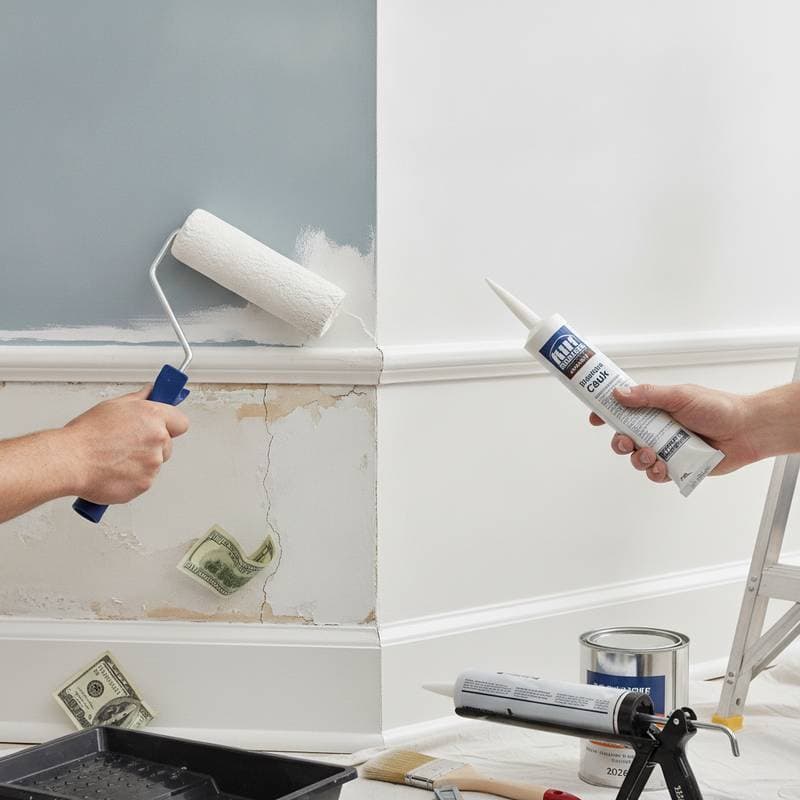
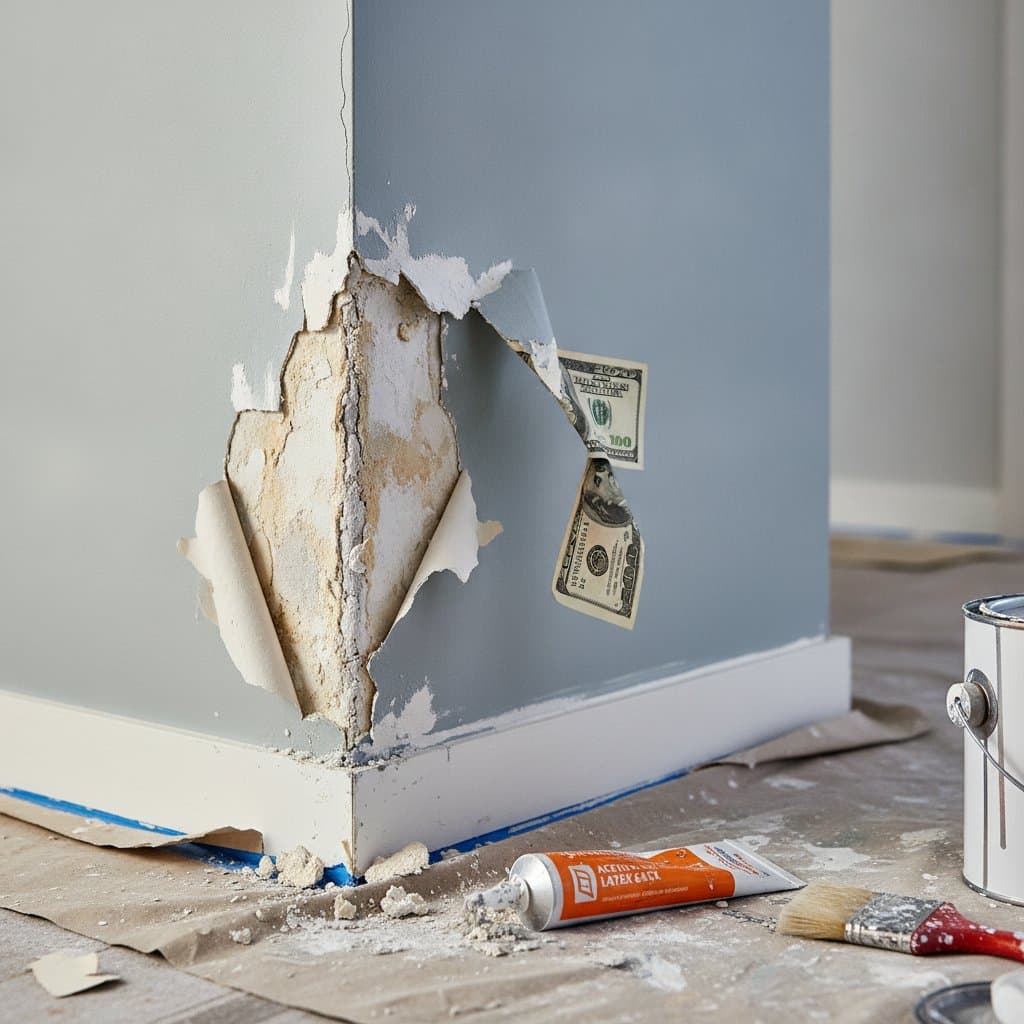
Many homeowners focus on paint colors and finishes while overlooking a step that determines how long the new paint lasts. Caulking looks simple, yet errors in material selection, application, or timing produce peeling paint, cracked joints, and poor adhesion. Repairs for these issues often reach $800 or more. Proper caulking technique protects the paint investment and extends its service life.
Average Cost Impact of Caulking Errors
Incorrect caulking leads to paint failure that requires professional correction. Interior repairs for small to medium rooms range from $400 to $650. Exterior sections or larger interiors cost $700 to $1200. Trim and door frames add $150 to $350. These figures cover material removal, surface repair, and repainting.
Proper preparation by professionals averages $1 to $3 per linear foot. Mistakes double or triple that expense through removal and rework. Materials alone run $0.30 to $0.80 per linear foot. Labor adds $0.70 to $2.00 per linear foot. Removal and repainting after failure push costs to $2.00 to $4.00 and $0.50 to $1.50 per linear foot respectively.
Factors Affecting Caulking Costs and Quality
Several variables determine both expense and outcome. Homeowners who understand these elements plan budgets more accurately and reduce risk.
Latex caulk suits interior trim and walls because it accepts paint readily. Silicone caulk offers durability yet resists paint and creates adhesion problems on painted surfaces. Polyurethane performs well outdoors due to its strength and flexibility. Selection of the wrong product forces full removal and reapplication.
Consistent bead size and immediate smoothing prevent gaps and ridges that show through paint. Clean, dry surfaces are essential for bonding. Scraping old material, removing dust, and confirming suitable temperature and humidity support reliable adhesion. Most caulks require several hours to a full day of cure time before paint application. Painting over uncured caulk traps moisture and produces bubbles or cracks.
Cost Analysis by Material Type
Latex caulk ranges from $2 to $12 per tube depending on grade. Silicone runs $5 to $18 per tube. Polyurethane falls between $7 and $20 per tube. Premium grades cost more upfront yet reduce labor from rework. The correct material choice prevents repeated surface preparation.
Value and ROI Considerations
Thorough caulking before painting improves durability by 30 to 50 percent. This reduction in early repainting saves $1000 to $3000 over the life of a typical home. Benefits include fewer repairs, better energy efficiency, and a smoother final appearance.
Steps to Avoid Costly Caulking Errors
Select the caulk type that matches the surface and exposure conditions. Clean every joint by removing debris and old material. Apply uniform beads and tool them at once. Allow complete curing according to manufacturer guidance. Test small areas for adhesion before painting large sections. Engage professionals for complex or moisture-prone work.
Budget Planning
Base painting costs run $2 to $6 per square foot. Surface preparation and caulking add $0.50 to $2 per square foot. Reserve 10 to 20 percent of the total budget for unexpected repairs or material adjustments.
Answers to Common Questions
Repairs for failed caulking typically cost $400 to $800 indoors and up to $1200 outdoors. Primary causes include mismatched caulk, inadequate cleaning, painting before cure, and uneven application. Mid-grade paintable latex caulk combined with thorough cleaning controls expense while preserving quality. DIY work succeeds on small interior joints with steady technique. Larger or exterior projects benefit from professional consistency. Mild weather with moderate humidity offers the best scheduling window and often lower rates.