Matte Black Ceilings Emerge as 2026's Bold Paint Trend
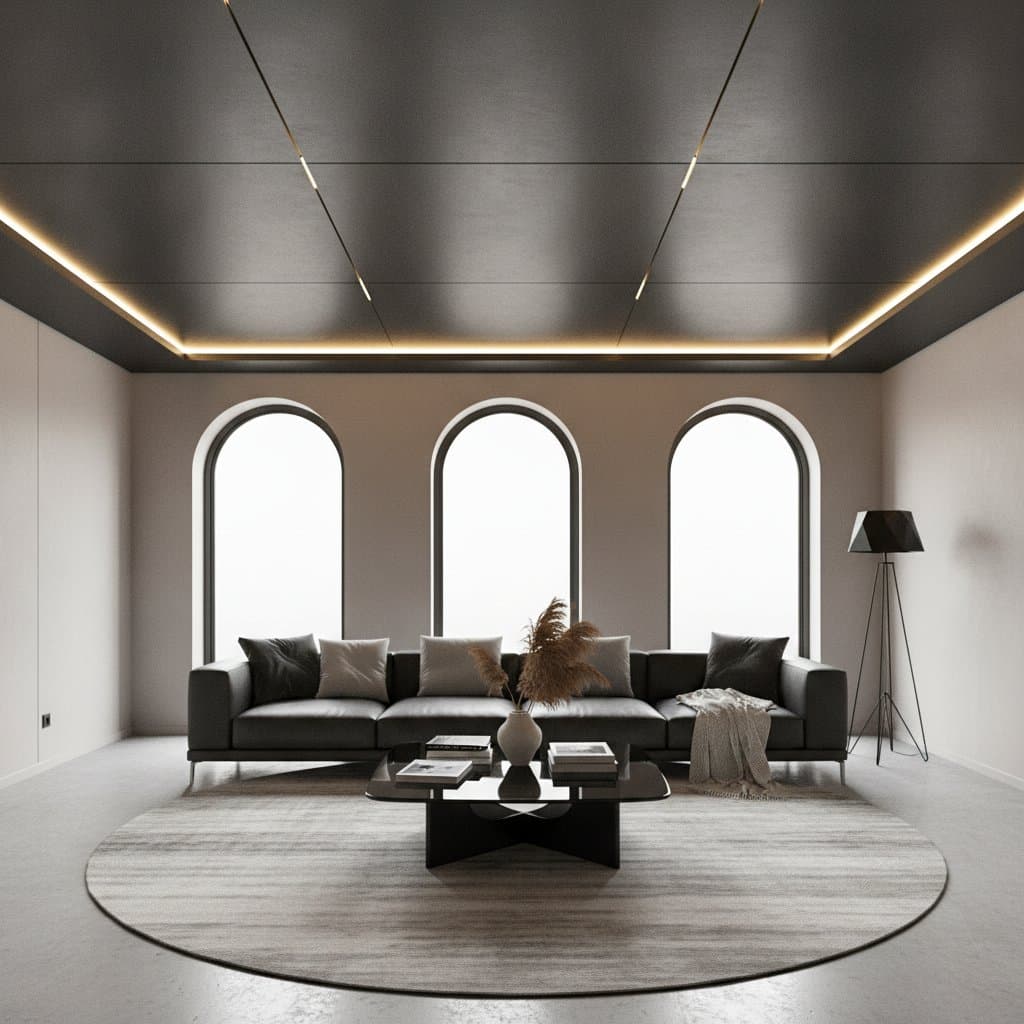
Matte black ceilings have moved from a niche design choice to a defining interior trend. Once reserved for avant-garde spaces, this finish now appears in homes that value sophistication and creative expression. Its deep tone and velvety texture transform a ceiling from a forgotten surface into a statement element.
This approach redefines light, depth, and room atmosphere. Homeowners planning a refresh benefit from understanding the cost, materials, and practical considerations behind matte black ceilings.
Matte Black Ceiling Cost Overview
Painting a ceiling in matte black typically costs between $2.50 and $6.00 per square foot. The price depends on ceiling height, surface condition, and paint quality. Most homeowners spend $400 to $1,200 for a standard room project that includes preparation, priming, and labor.
Average Cost Ranges by Room Size
- Small room (up to 120 sq. ft.): $300 to $500
- Medium room (150 to 250 sq. ft.): $500 to $900
- Large room (300+ sq. ft.): $900 to $1,500
Cost Breakdown per Square Foot
On average, the cost per square foot includes these components:
- Materials: $0.80 to $1.50
- Labor: $1.50 to $3.50
- Preparation and priming: $0.50 to $1.00
- Additional factors: $0.20 to $0.50
These ranges reflect standard drywall ceilings with average accessibility. Decorative finishes, textured surfaces, or specialty lighting setups can increase total cost.
Factors Affecting Matte Black Ceiling Costs
Several variables influence how much homeowners pay for this dramatic finish.
Ceiling height and access matter because taller ceilings require more setup time, extension tools, or scaffolding. Labor costs rise with each additional foot of height, often adding $100 to $300 to total project cost.
Surface preparation proves essential. Ceilings with water stains, cracks, or uneven textures need patching and priming before paint application. Proper preparation ensures consistent coverage and prevents patchiness that matte finishes can reveal.
Paint quality affects results directly. Matte black paints vary widely in pigment density and durability. Premium options with higher opacity provide even coverage in fewer coats but cost more upfront.
Lighting design requires attention since dark ceilings absorb light. Homeowners may integrate stronger fixtures or additional lighting zones to maintain balance, adding electrical or design expenses.
Regional labor rates also vary. Areas with high demand for professional painters often have higher hourly rates. Local supply costs affect total pricing, especially for specialty matte formulas.
Detailed Cost Analysis by Finish Category
| Finish Quality | Basic Range | Standard Range | Premium Range | Key Differences |
|---|---|---|---|---|
| Matte Latex | $2.50 - $3.50 per sq. ft. | $3.50 - $4.50 per sq. ft. | $4.50 - $5.50 per sq. ft. | Basic latex covers well but may show marks. Premium versions offer deeper tone and better washability. |
| Specialty Matte Enamel | $3.00 - $4.50 per sq. ft. | $4.50 - $5.50 per sq. ft. | $5.50 - $6.50 per sq. ft. | Enamel finishes resist moisture and provide subtle sheen while maintaining matte depth. |
| Low-VOC Designer Paints | $3.50 - $5.00 per sq. ft. | $5.00 - $6.00 per sq. ft. | $6.00 - $7.00 per sq. ft. | Eco-friendly options with rich pigments and minimal odor, ideal for bedrooms or living spaces. |
Premium paints often require fewer coats and maintain color consistency longer. While initial costs rise, maintenance and touch-up needs decline, delivering better long-term value.
Why Matte Black Ceilings Appeal to Modern Homeowners
The growing preference for matte black ceilings comes from their ability to create visual depth and refined contrast. In rooms with light walls or neutral furnishings, a dark ceiling anchors the space and adds architectural interest without clutter. Designers favor matte finishes for their ability to diffuse light evenly, softening reflections and giving a cozy atmosphere.
Homeowners also appreciate how this color disguises imperfections and mechanical elements. Pipes, vents, and beams blend seamlessly against a dark surface, making it ideal for lofts or basements. With proper lighting and balanced decor, matte black enhances both minimal and luxurious interiors.
Material and Application Considerations
Choosing the right paint matters as much as color selection. Matte finishes require careful handling to avoid uneven coverage.
Primer selection starts with a tinted primer designed for dark colors. This choice ensures full opacity and prevents streaking. Skipping primer often leads to visible roller marks or inconsistent tone.
Application technique benefits from high-quality rollers and controlled strokes to maintain even texture. Two coats are typically sufficient for most ceilings, though some darker formulations may need a third for full depth.
Drying and curing take longer for matte finishes. Proper ventilation and temperature control help prevent sheen variation or patchiness.
Maintenance stays straightforward with washable matte paints. While matte surfaces resist glare, they show scuffs and dust more readily.
Value and ROI Considerations
Although matte black ceilings may appear purely aesthetic, the project can increase perceived property value. Buyers often associate the look with custom design and modern sophistication. For homeowners staging their property, a well-executed dark ceiling can make rooms appear higher-end.
From a practical perspective, the return on investment comes from longevity and reduced repainting frequency. High-quality matte paints hold color longer, even under continuous indoor lighting. Combined with the energy efficiency benefits of darker surfaces that absorb light, homeowners may notice subtle improvements in lighting control and comfort.
Money-Saving Strategies
Painting a ceiling in matte black does not have to strain the budget. Several strategies can reduce costs while maintaining professional results.
- Handle prep work yourself by cleaning, sanding, and taping edges before the painter arrives. This step reduces labor hours.
- Choose mid-range paint because top-tier paints often exceed needs in smaller spaces. Many standard matte paints provide excellent coverage at lower cost.
- Bundle projects by combining multiple rooms or ceiling areas into one contract. Volume discounts frequently result.
- Schedule during off-peak seasons when painting companies may offer lower rates, especially during colder or wetter months.
- Invest in lighting first by finalizing fixture placement before painting. This prevents patching or repainting later.
Saving on labor through partial DIY preparation or seasonal scheduling can lower total project cost by 10 to 20 percent.
Planning Your Budget
A clear budget helps homeowners manage expectations and avoid cost overruns. Start by measuring ceiling area and multiplying by the average cost per square foot. Add a 10 to 15 percent contingency fund for unexpected issues such as repair work or texture adjustments.
When comparing contractor quotes, ensure each includes the same scope of work. Number of coats, primer type, surface prep, and cleanup should match. Transparent estimates prevent hidden costs later. Professional painters usually provide written warranties for both workmanship and materials.
Next Steps for Your Matte Black Ceiling Project
Measure your space and gather contractor quotes that detail every phase. Select paint and primer suited to your room conditions. Schedule the work during a low-demand period to control expenses. Proper execution delivers a dramatic ceiling that elevates the entire room for years.