Sanding Between Coats Prevents Costly Paint Failures
A flawless paint job requires more than quality paint and multiple layers. Sanding between coats stands out as an essential step that secures adhesion and blocks common defects such as peeling or bubbling. Neglecting this step frequently leads to repairs that exceed $800. Proper execution turns an ordinary project into a durable, professional result.
Why Sanding Between Coats Matters
Fresh paint dries with a slight texture that includes brush marks and trapped dust. Sanding removes these irregularities and creates a uniform surface for the next layer. The process also raises microscopic tooth on the previous coat, allowing mechanical bonding that resists separation over time. On wood, it flattens raised grain and produces a smoother final appearance.
The Real Cost of Skipping Sanding
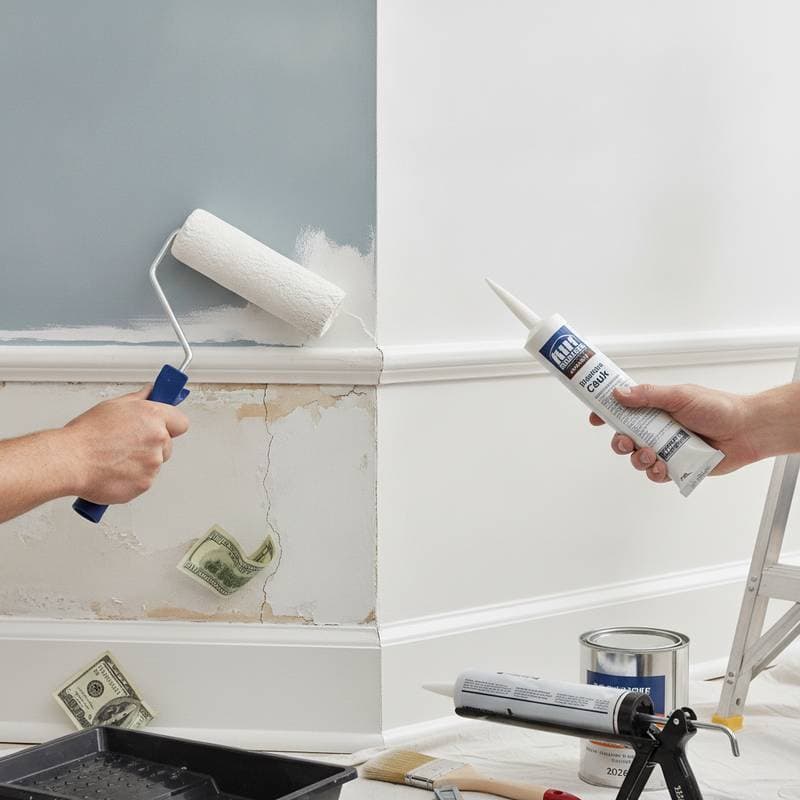
Paint applied over an unsanded surface often fails within months. Peeling occurs when layers lack grip and separate under normal expansion. Uneven texture shows through subsequent coats and creates visible ridges. Premature chipping and fading follow because the top layer never bonds fully. Full remediation usually demands stripping, priming, and repainting at a cost of $800 or higher.
Sanding Technique That Delivers Results
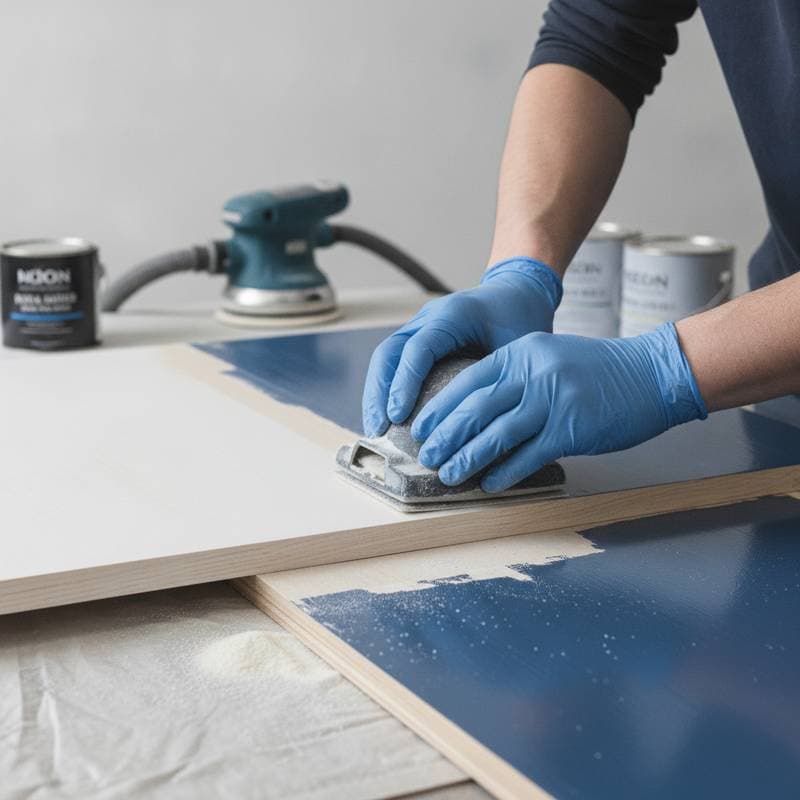
Work only after each coat has dried completely to prevent smearing. Select 220 to 320 grit paper or a fine sanding sponge. Apply light, even pressure in straight strokes rather than circles. Wipe the surface with a vacuum or tack cloth to remove every particle before the next coat goes on.
Tools That Improve Efficiency
A sanding block maintains flat pressure on broad areas. Flexible sanding sponges reach moldings and curves without gouging. Keep several sheets of consistent grit on hand so the abrasive stays sharp throughout the project.
Long Term Benefits of Surface Preparation
Properly sanded layers resist moisture, temperature swings, and daily wear. The added minutes per coat reduce future maintenance and extend the repaint cycle by years. Homeowners notice fewer touch ups and a consistently smooth appearance.
Budgeting Time and Expense
Sanding adds roughly $50 to $150 to a typical room project. This modest outlay prevents the far larger expense of corrective work. Schedule an extra thirty minutes between coats to keep the workflow on track.
Frequently Asked Questions
How much does sanding between coats add to the total project cost?
Sanding typically adds $50 to $150 to a standard painting project. This remains minimal compared with potential $800 repair costs from peeling or poor adhesion.
What type of sandpaper should I use between coats?
Use fine grit sandpaper between 220 and 320 grit. It smooths the surface without removing too much paint and helps the next coat bond evenly.
Can I skip sanding if I use high end paint?
Even premium paint benefits from sanding. Quality paint improves durability, yet surface preparation still determines how well it adheres.
How do professionals handle sanding between coats?
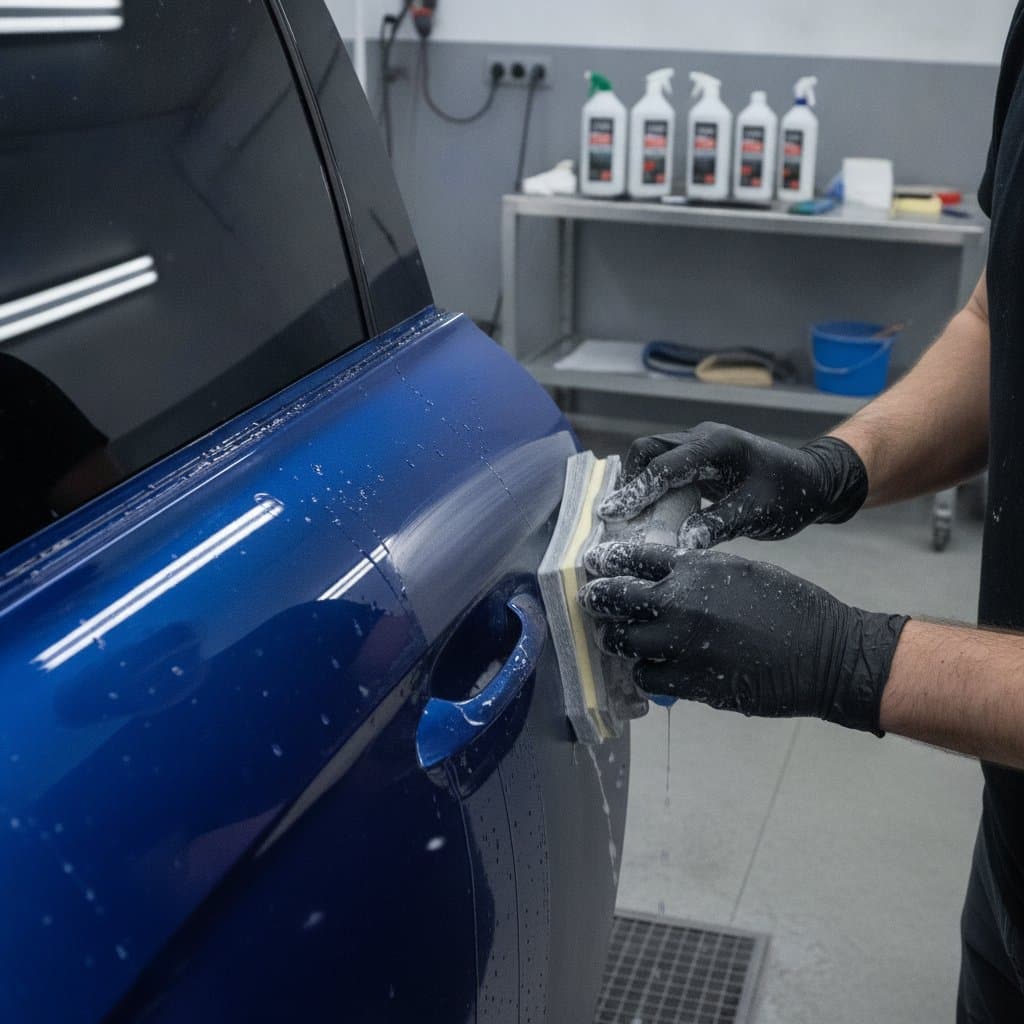
Professionals rely on high grade sanding tools, vacuum systems for dust control, and consistent pressure to achieve a smooth, flawless surface.
Can sanding fix existing paint bubbles or drips?
Yes, light sanding levels minor defects before another coat is applied. Deep flaws may require sanding down to the primer.
How can I prevent dust from affecting the next coat?
Always clean the surface thoroughly after sanding with a tack cloth or vacuum. Even tiny dust particles interfere with adhesion and finish quality.