The $500 Caulk Mistake That Undermines Home Resale Value
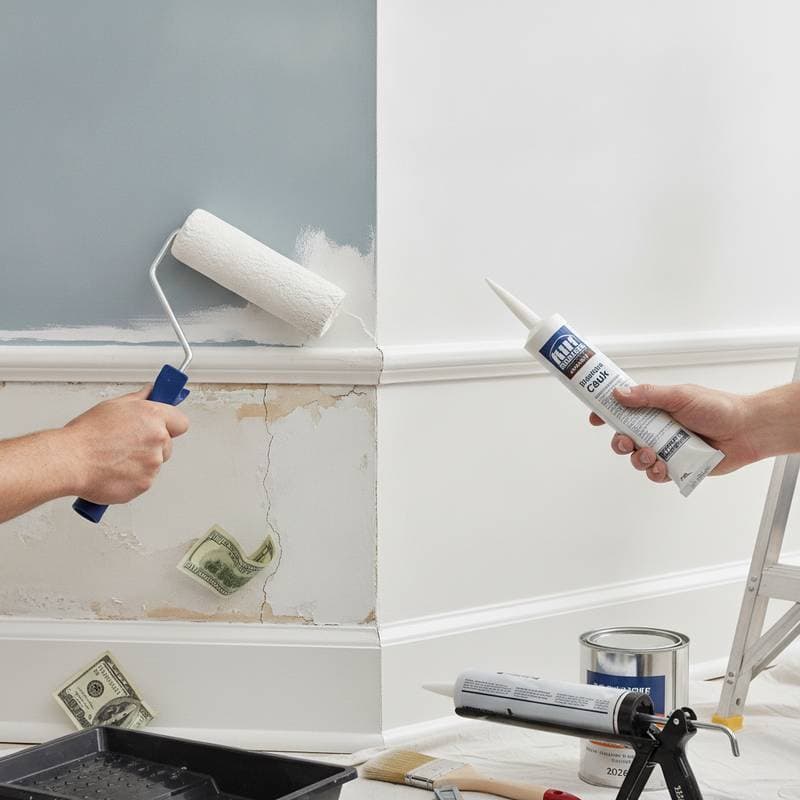
Homeowners preparing to paint or sell often prioritize visible upgrades such as fresh colors, enhanced landscaping, or updated lighting. Many neglect a critical detail that can erode resale value: inadequate caulking. Gaps in caulk around windows, trim, baseboards, and siding allow moisture to enter, causing paint to crack, wood to warp, and flaws to appear that deter buyers. Addressing this issue costs approximately five hundred dollars, yet ignoring it may result in thousands of dollars in repairs and lower sale offers.
Why Caulking Matters
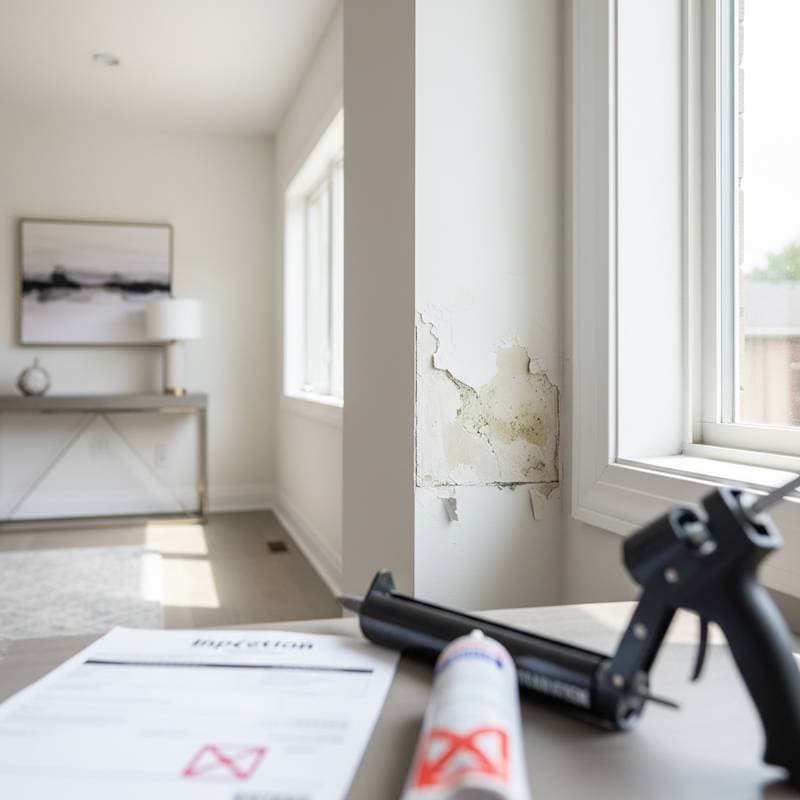
Caulk seals joints between materials to block moisture, air, and pests while creating smooth transitions for even paint application. When caulk deteriorates, water infiltrates unsealed areas, leading to expansion, contraction, peeling paint, and mold growth. Inspectors and discerning buyers spot these issues quickly, viewing them as signs of neglected maintenance.
A professional caulking application before painting or listing safeguards property value. This five-hundred-dollar investment prevents up to five thousand dollars in future repairs.
Caulking Cost Overview
Professional caulking services range from three hundred fifty dollars to seven hundred dollars, based on home size and sealing scope. Most projects for key exterior and interior joints average five hundred dollars before painting.
Average Cost Ranges by Project Scope
- Small touch-up: one hundred fifty dollars to three hundred dollars
- Standard single-story home: four hundred dollars to six hundred dollars
- Large or multi-story home: seven hundred dollars to one thousand dollars
Cost Breakdown per Linear Foot
Caulking averages one dollar fifty cents to three dollars fifty cents per linear foot, covering:
- Materials: zero dollars fifty cents to one dollar per foot for quality sealants
- Labor: one dollar to two dollars per foot for precise application
- Preparation: zero dollars twenty-five cents to zero dollars fifty cents per foot for cleaning and removal
- Additional factors: zero dollars twenty-five cents to zero dollars seventy-five cents per foot for detailed or hard-to-reach areas
Factors Affecting Caulking Costs
Multiple elements determine pricing and job effectiveness. Homeowners benefit from understanding these to budget accurately and ensure lasting results.
Surface Condition
Deteriorated caulk requires full removal, followed by cleaning and possible repairs. Inadequate preparation causes premature failure despite superior materials.
Material Type
Acrylic latex suits low-moisture areas but lacks longevity in wet conditions. Silicone and polyurethane provide greater flexibility and weather resistance at higher cost, extending seal life by years.
Accessibility and Height
Upper-floor or obstructed areas demand extra time and equipment, adding one hundred dollars to two hundred dollars for scaffolding on multi-story homes.
Regional Labor Rates
Urban locations command higher rates per foot than suburban or rural ones due to elevated living costs.
Timing and Weather
Extreme temperatures or humidity impair adhesion. Professionals select moderate conditions for optimal bonding, with off-season work occasionally yielding discounts.
Detailed Cost Analysis by Material Type
| Material Type | Basic Range | Standard Range | Premium Range | Key Differences |
|---|---|---|---|---|
| Acrylic Latex | $0.50 - $1.25 | $1.25 - $1.75 | $1.75 - $2.25 | Easy application, paintable, moderate durability |
| Silicone | $1.00 - $2.00 | $2.00 - $3.00 | $3.00 - $4.00 | Excellent waterproofing, flexible, often not paintable |
| Polyurethane | $1.50 - $2.50 | $2.50 - $3.50 | $3.50 - $4.50 | High durability for exteriors, extended curing |
Typical Cost Breakdown for a Standard Home
For an eighteen-hundred-square-foot home, costs fall between four hundred fifty dollars and six hundred fifty dollars:
- Materials: one hundred fifty dollars to two hundred dollars
- Labor: two hundred fifty dollars to three hundred fifty dollars
- Surface prep: fifty dollars to one hundred dollars
- Detailing and cleanup: twenty-five dollars to fifty dollars
This covers windows, doors, trim, siding, and baseboards. Intricate or historic features increase expenses.
The Hidden Cost of Poor Caulking
Neglecting caulking produces visible and structural problems that diminish resale appeal. Common consequences include:
- Peeling paint from water infiltration, signaling moisture issues to buyers
- Energy inefficiency via air leaks around windows and doors, detectable by thermal imaging
- Mold and rot behind surfaces, with repairs exceeding three thousand dollars
- Reduced aesthetics from cracked lines, undermining a polished paint finish
Value and ROI Considerations
Caulking before painting yields substantial returns. Sealed surfaces enhance appearance and demonstrate diligent upkeep, elevating perceived value by thousands.
Estimated ROI:
- Investment: five hundred dollars
- Resale boost: two thousand dollars to four thousand dollars
- Energy savings: five percent to ten percent less air leakage
Integrated with painting, it prolongs paint durability, reducing future maintenance.
How to Avoid the $500 Caulk Mistake
Inspect Before Painting
Examine joints around windows, doors, trim, and baseboards for cracks, gaps, or drafts. Visible light or air flow indicates seal failure.
Choose the Right Product
Opt for paintable caulk matched to surfaces: silicone or polyurethane for exteriors, acrylic latex for interiors.
Prioritize Preparation
Remove old caulk thoroughly, clean surfaces, and dry them before application to prevent early breakdown.
Apply Evenly
Use steady pressure from a caulk gun for uniform beads, smoothing with a wet finger or tool.
Time Application Correctly
Select mild weather, avoiding humidity or sun exposure, and allow full curing prior to painting.
Hire Professionals as Required
Engage experts for complex areas like multi-story exteriors to achieve durable, even results.
Money-Saving Strategies
Bundle with Painting
Pair caulking and painting to cut labor and setup fees through single-visit efficiency.
Handle Basic Prep
Clean and remove old caulk yourself to save ten percent, ensuring thorough debris removal.
Purchase in Bulk
Acquire caulk in larger quantities to lower unit costs by up to twenty percent.
Schedule Off-Peak
Book during low-demand periods for potential rate reductions on combined services.
Planning Your Budget
Effective budgets encompass all maintenance, including unsexy tasks like caulking that protect paint and structure.
Allocate five percent to ten percent of painting costs to preparation. For a five-thousand-dollar exterior job, reserve two hundred fifty dollars to five hundred dollars.
Budget Tips:
- Seek itemized quotes distinguishing caulking, prep, and painting
- Add ten percent contingency for surprises
- Compare bids and material specifications
- Confirm product warranties for extended coverage
Making Informed Choices
Surface preparation underpins successful painting. Rushing repaints without caulking leads to rapid failure, exposing cracks and peels.
Professional sealing preserves paint integrity and reassures buyers of quality care. Consistent lines and edges around features build trust, fostering competitive bids.
By addressing caulking thoughtfully, homeowners safeguard investments and enhance market appeal through reliable, attractive finishes.
Frequently Asked Questions
What Is the Average Cost for Professional Caulking?
Homeowners typically pay five hundred dollars for comprehensive service, including old caulk removal, cleaning, and sealant application on major joints. Small jobs start at one hundred fifty dollars; complex ones reach one thousand dollars.
What Factors Impact Caulking Costs Most?
Surface state, material selection, access challenges, and local rates drive expenses. Poor surfaces demand extra prep, while premium materials ensure durability.
How Can I Reduce Caulking Costs Without Compromising Quality?
Integrate with painting projects, perform initial prep, select balanced sealants, and time work for off-peak savings.
Should I DIY Caulking or Hire Professionals?
DIY works for minor interior spots, but exteriors and heights require pro tools and skills for adhesion and finish that support paint and value.
How Do I Account for Unexpected Caulking Expenses?
Build in ten percent buffer for repairs or extras; insist on detailed estimates to clarify inclusions.
When Is the Optimal Time for a Cost-Effective Caulking Project?
Aim for stable, mild weather. Slower seasons often bring lower contractor rates.