The $15 TSP-Free Step Professional Painters Rely On
Every beautiful paint finish begins long before the first coat touches the wall. Surface preparation determines the outcome more than color selection or brush quality. Professional painters have long used trisodium phosphate, known as TSP, to clean surfaces. Homeowners now have access to a safer and more affordable alternative that delivers comparable results.
This TSP-free approach costs around fifteen dollars and improves paint adhesion without the hazards associated with traditional TSP. Understanding the process helps achieve professional outcomes on any project.
How the TSP-Free Method Works
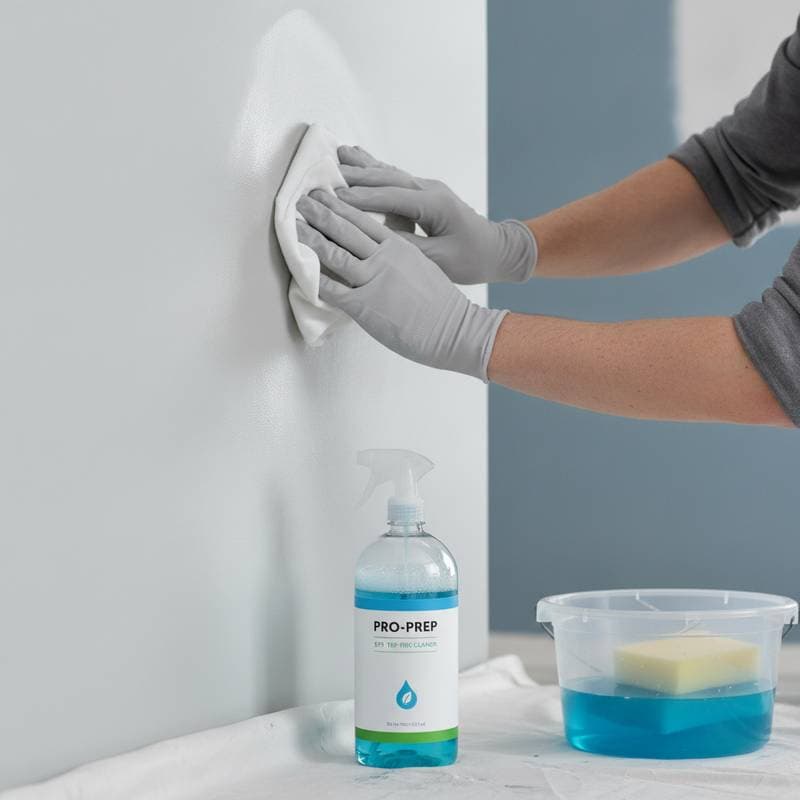
The method relies on an environmentally friendly degreaser or specialized paint-prep cleaner sold at hardware stores. A concentrated bottle typically costs fifteen dollars and cleans multiple rooms when diluted according to instructions.
Application requires a sponge, cloth, or spray bottle to distribute the solution across the surface. The cleaner breaks down oils and residues. Surfaces are then wiped clean and allowed to dry before paint application. These formulas avoid heavy rinsing and remain safe for trim, baseboards, and fixtures.
Popular options use surfactants and mild alkaline agents that lift contaminants without leaving films. The products are non-corrosive and biodegradable, which supports indoor use with standard ventilation.
Cost Breakdown for Surface Preparation
Average Cost Ranges
- Basic interior prep requires ten to twenty dollars for cleaner and supplies.
- Exterior prep ranges from fifteen to thirty dollars for larger areas.
- Professional-grade prep totals fifty to one hundred dollars when a painter handles cleaning, sanding, and priming.
Items Included
- Cleaning solution suitable for walls, trim, and ceilings.
- Sponges, microfiber cloths, or sprayers.
- Light sanding to promote adhesion.
- Final wipe-down and drying period.
Additional Expenses
Specialty cleaners for grease or mildew add twenty to forty dollars. Primer for glossy surfaces costs twenty-five to fifty dollars per gallon. Labor for professional prep work averages one to three dollars per square foot.
Factors That Influence Total Cost
| Factor | Cost Impact | Examples |
|---|---|---|
| Surface condition | Increases cost | Grease, smoke, or peeling paint demand extra cleaning |
| Area size | Raises material use | Larger rooms require additional solution |
| Product type | Changes cost | Concentrated formulas cost more initially yet cover more area |
| Labor choice | Affects total | Professionals add labor fees yet ensure consistent quality |
Deciding Between DIY and Professional Help
Homeowners manage cleaning and prep effectively on small rooms, furniture, or accent walls. TSP-free cleaners simplify the work while maintaining safety. Success depends on thorough application and adequate drying time.
Large exteriors, multi-room projects, or surfaces with heavy buildup benefit from professional assistance. Contractors identify problem areas quickly and complete prep with appropriate tools. Many include cleaning within service quotes.
Selecting an Effective Cleaner
Choose products labeled specifically as paint-prep or surface-prep cleaners. These remove oils and residues that hinder adhesion. General household cleaners often contain waxes or silicone that cause bubbling or peeling.
Review ingredient lists and safety data before purchase. Non-toxic and biodegradable formulas suit indoor projects. Concentrated versions provide better value because they dilute for routine tasks or apply at full strength for difficult areas.
Errors That Compromise Paint Adhesion
- Skipping cleaning allows dust and residues to block proper bonding.
- Using the wrong cleaner leaves incompatible residues on the surface.
- Over-saturating surfaces damages drywall or wood.
- Painting over damp walls leads to blistering or peeling.
- Ignoring safety precautions increases risk during mixing and application.
Several hours of preparation extend the lifespan of a paint job by years.
Practices That Improve Outcomes
Test the cleaner on a small section first. Maintain separate buckets for clean and dirty water. Replace cloths often to prevent redistribution of grime. Provide ventilation throughout cleaning and drying. Label and store any remaining solution for later use.
Consistency in these steps produces reliable results across projects.
Organizing the Preparation Phase
Estimate cleaner volume based on project square footage. One quart of concentrate covers several hundred square feet when diluted. Allow full drying before painting begins. When hiring professionals, confirm their use of TSP-free products and request details on their preparation sequence.
Answers to Common Questions
How much does wall cleaning cost before painting? TSP-free solutions range from ten to twenty dollars for multiple rooms. Professional prep that includes cleaning, sanding, and priming averages one to three dollars per square foot.
What issues arise from skipping cleaning? Paint may peel, bubble, or finish with a dull appearance. Residues prevent bonding and reduce durability.
Benefits of Proper Surface Preparation
Thorough cleaning creates a stable base that supports smooth application and long-term durability. Homeowners who follow these steps obtain finishes that resist wear and maintain appearance over time.