Why Textured Accent Walls Are Making a 2026 Comeback
Home interiors evolve toward tactile and layered designs that stimulate the senses. Smooth, flat walls prevailed for years, yet homeowners now rediscover the warmth and dimension provided by texture. This renewed interest in textured accent walls mirrors a larger transition to authenticity, craftsmanship, and visual depth. Finishes such as Venetian plaster, limewash, or contemporary texturing methods convert standard rooms into captivating areas rich in character.
What Defines a Textured Accent Wall
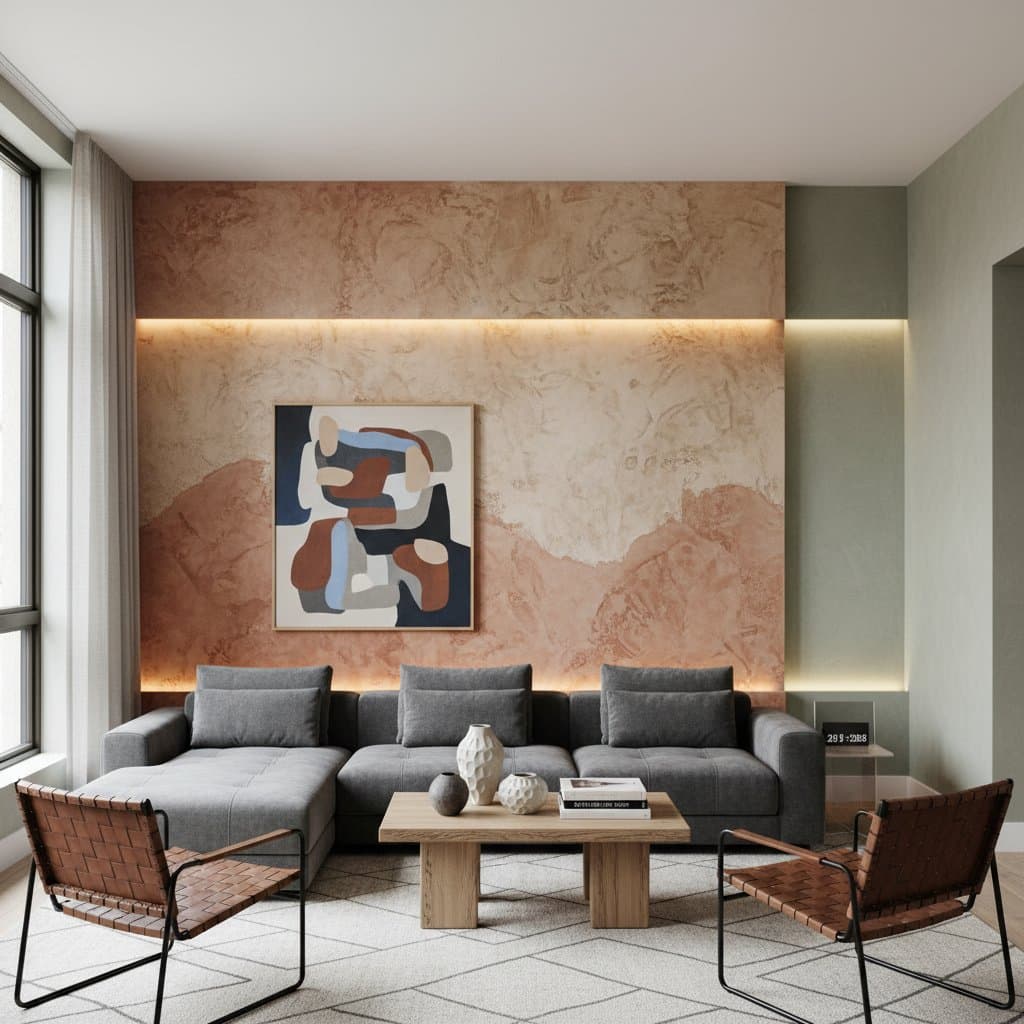
A textured accent wall incorporates surface variations and diverse materials. Subtle options include a gentle plaster finish that interacts uniquely with light, while bolder choices feature sculpted surfaces serving as room focal points. Textures span fine-grained plasters, paints enhanced with mineral additives, simulated natural stone, or tactile wallpaper substitutes. Beyond mere adornment, these elements foster an environment that conveys stability and refinement.
This revival stems in part from weariness with uniform, monotonous interiors. Individuals seek artisanal and genuine textures. Such designs integrate classic materials with current color schemes, blending coziness with grace.
Project Cost Breakdown
Average Cost Ranges
- Basic project: $3,000 - $4,500
- Standard project: $4,500 - $7,500
- Premium project: $7,500 - $12,000
What's Included
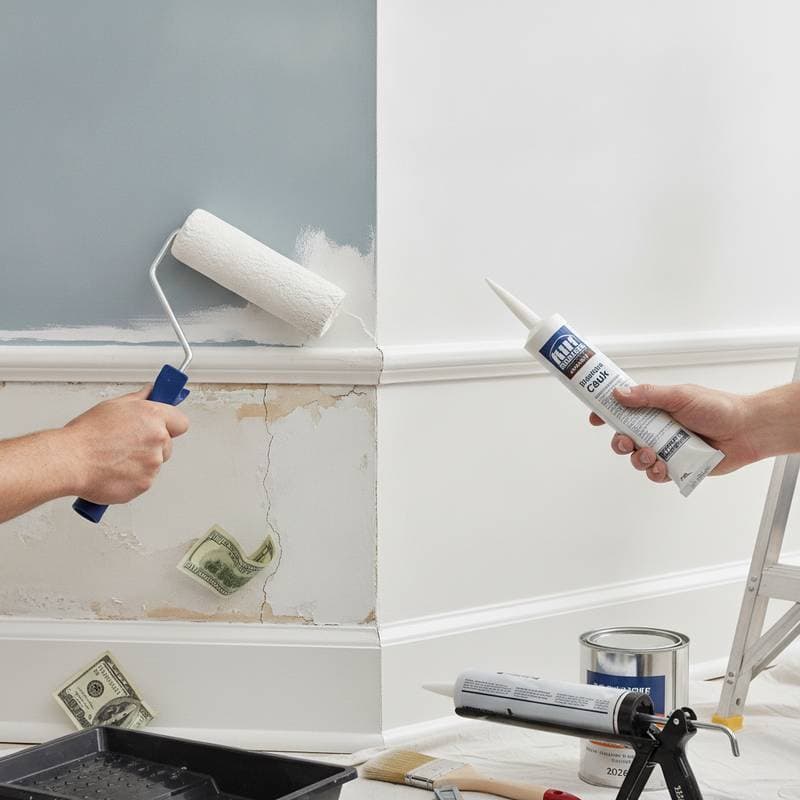
- Surface preparation: Cleaning, patching, and priming of existing walls
- Material application: Plaster, specialty paint, or texture compound
- Finishing: Sealing, polishing, or topcoat application for durability
- Cleanup: Debris removal and final touch-up inspection
What Costs Extra
- Custom color blending: $200 - $600, based on pigment variety
- Special effects: Metallics, marbleizing, or multi-layer techniques add $3 to $6 per square foot
- Wall repair: Addressing cracks or irregular drywall may elevate preparation expenses by $500 - $1,000
Factors That Affect Final Cost
| Factor | Cost Impact | Examples |
|---|---|---|
| Material type | Moderate to high | Venetian plaster exceeds textured paint costs |
| Wall condition | Moderate | Uneven surfaces demand extensive preparation |
| Design complexity | High | Multi-layer applications extend labor time |
| Room size | Direct | Expanded areas consume additional materials |
Why Textured Walls Are Back in Demand
Texture's resurgence connects to the pursuit of individuality and personalization in residential design. Minimalist white walls once symbolized uncomplicated living. Today, residents desire warmth, sensory engagement, and evidence of skilled workmanship. Textured surfaces deliver nuanced shadow effects and dynamic visuals unattainable with standard paint.
Professionals increasingly favor natural substances and enduring finishes. Venetian plaster, for instance, acquires a subtle patina that enhances with age. Limewash produces a powdery matte texture evoking natural origins. These options suit contemporary and classic settings alike, uniting aesthetics through enduring elegance.
Timeline Expectations
Textured accent wall installations progress through defined phases:
- Consultation and Design Selection: Allocate 1 to 2 days to evaluate samples, hues, and finishes.
- Surface Preparation: Dedicate 1 to 3 days, contingent on wall integrity.
- Material Application: Plan 2 to 5 days for layering plaster or textures, allowing adequate drying intervals.
- Finishing and Cleanup: Reserve 1 to 2 days for sealing, refinements, and inspections.
Basic paint textures conclude more swiftly, whereas premium plaster or intricate layers necessitate extended curing periods for optimal smoothness and strength.
Professional vs. DIY Guidance
Textured walls may seem suitable for self-directed efforts, though outcomes hinge on expertise and material familiarity. Venetian plaster or advanced finishes demand accurate layering, trowel precision, and controlled timing. Errors prove challenging to remedy after materials harden.
When to hire a contractor:
- For premium materials like Venetian plaster or limewash
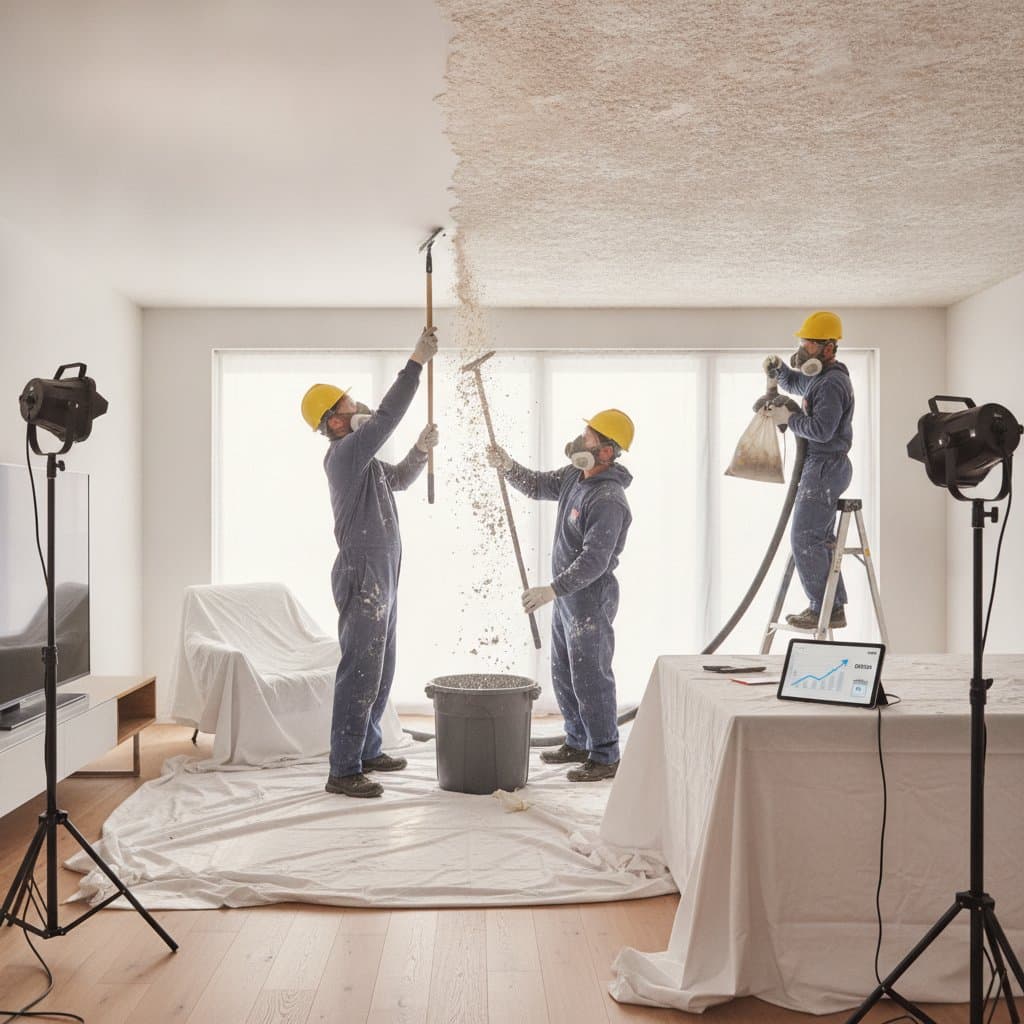
- On expansive surfaces requiring uniform texture
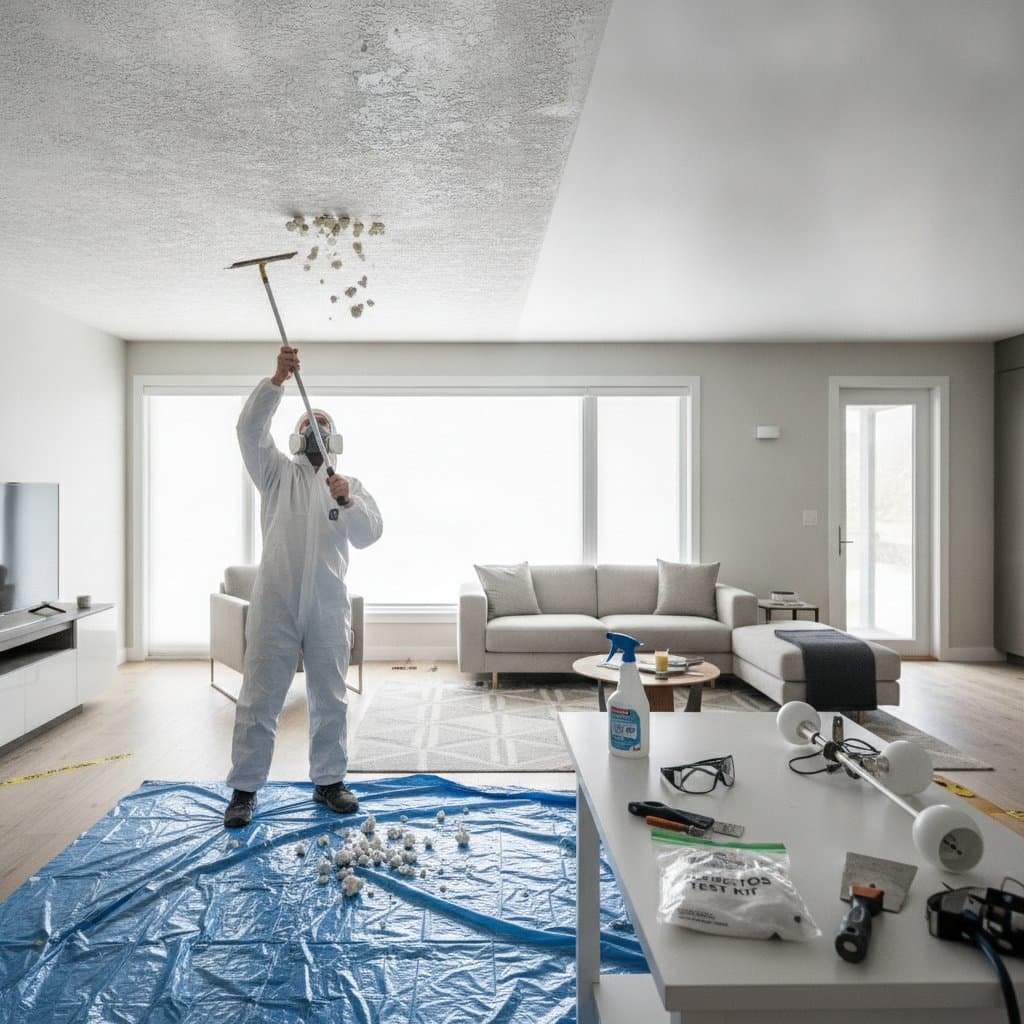
- Where walls exhibit damage needing structural fixes
- To secure a flawless finish that boosts property appeal
When DIY can work:
- In compact spaces like powder rooms with texture paint kits
- For uncomplicated stippling or sponge techniques
- On ventures where slight irregularities enhance rustic appeal
Expert services involve higher initial investment but yield resilient results with minimal ongoing upkeep.
Choosing the Right Contractor
A competent contractor guarantees deliberate and balanced textures. Begin by identifying regional experts in decorative finishes or plastering. Review images of past installations and solicit client endorsements for comparable projects.
In quote evaluations, verify inclusion of:
- Precise material and technique descriptions
- Comprehensive preparation and sealing outlines
- Documented warranties or quality assurances
- Protocols for cleanup and final reviews
Steer clear of suspiciously reduced bids, which frequently exclude vital preparation or employ subpar supplies. Superior outcomes rely on meticulous care and thoroughness.
Preparing for the Process
Before commencement, homeowners undertake key preparations:
- Relocate furniture and decor from the workspace
- Examine color and texture samples in ambient lighting
- Arrange ventilation for plaster or mineral paint usage
- Establish guidelines for drying durations and site access
Planning Your Project
Effective planning transforms a textured accent wall from concept to reality. Start by assessing room function and desired mood; a living room might benefit from subtle limewash for warmth, while a home office suits bold Venetian plaster for focus. Measure wall dimensions accurately to estimate materials and budget. Consult trend resources or professionals early to align choices with 2026 aesthetics, ensuring the feature complements overall decor. Schedule during off-peak seasons to secure better contractor availability and rates. Document inspirations and preferences in a shared file for seamless collaboration.
Frequently Asked Questions
1. What factors influence the total cost of a textured accent wall?
Costs vary with material selection, wall dimensions, and intricacy. Textured paint offers economy, whereas Venetian plaster or layered applications escalate due to intensive labor and superior components. Preparatory tasks, including drywall fixes or legacy finish removal, further adjust expenditures.
2. How long does a textured wall project usually take?
Projects typically conclude in one to two weeks, encompassing selection, preparation, application, and curing. Paint-based textures wrap up in days, but plaster variants require prolonged drying for a resilient, even surface.
3. Should I try a textured wall as a DIY project or hire a professional?
DIY suits modest areas or straightforward paint textures. Opt for experts on plaster, limewash, or refined finishes to ensure even layering and consistent depth without flaws.
4. How can I find a reliable contractor for textured walls?
Seek painters or plaster artisans boasting portfolios of ornamental work. Confirm credentials, insurance, and detailed proposals; inquire about preferred products and client referrals.
5. What should I expect during the project?
Anticipate dust and faint scents from moist materials, plus interlayer drying pauses. Contractors safeguard surroundings, yet clear belongings in advance. Ongoing dialogue on timelines and outcomes minimizes disruptions.
6. What are common issues with textured walls and how can they be prevented?
Irregular application, fissures, or hue variances arise from hasty drying or excessive thickness. Engage seasoned teams, regulate room climate, and adhere to curing protocols. Gentle routine maintenance preserves vibrancy long-term.