Terracotta and Ochre Accent Walls for 2026
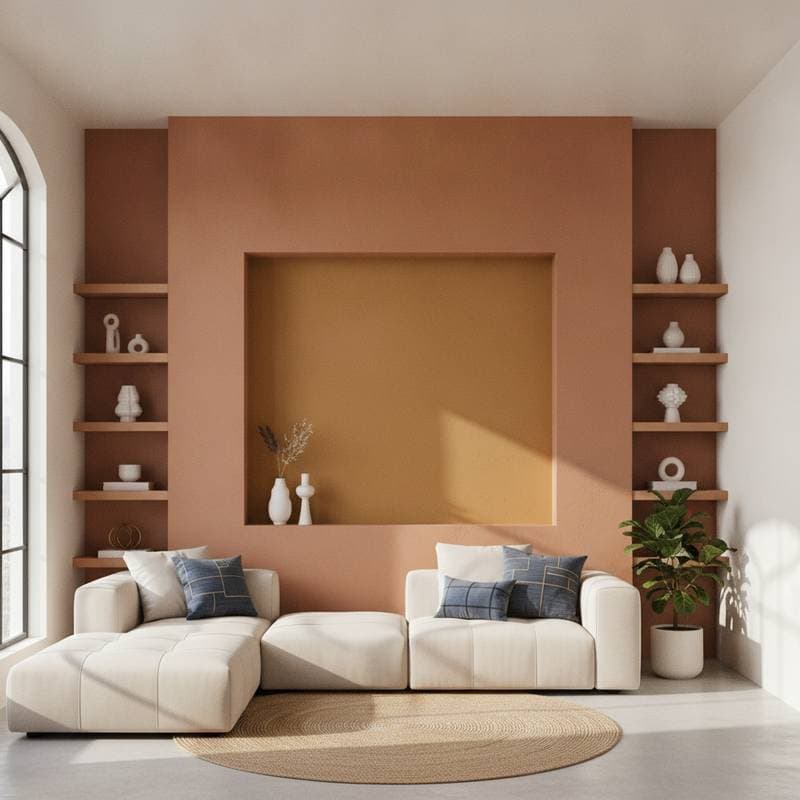
Warm, grounded, and full of character, terracotta and ochre stand out as a striking accent wall combination. These colors draw from natural earth pigments and add depth along with warmth to modern interiors. Homeowners seeking a bold yet welcoming statement find that this pairing connects classic elegance with contemporary comfort.
The combination creates atmosphere and a sense of connection to the natural world. Thoughtful application turns an ordinary wall into a focal point that shapes the entire room.
This guide covers planning, budgeting, and execution steps for a terracotta and ochre accent wall project.
Project Cost Breakdown
Average Cost Ranges
- Basic accent wall: 300 to 600 dollars
- Standard two-color design: 600 to 1000 dollars
- Premium custom finish: 1000 to 2000 dollars
Included Services
- Surface cleaning and preparation
- Priming and masking of edges
- Two coats of high-quality paint
- Color blending or design detailing
- Cleanup and minor touch-ups
Additional Expenses
- Wall repair or drywall patching: 75 to 200 dollars
- Decorative finishes like texture or plaster: 200 to 500 dollars
- Custom color matching or specialty paints: 50 to 150 dollars per gallon
- Furniture moving and protection: 50 to 100 dollars
Factors That Influence Final Cost
| Factor | Cost Impact | Examples |
|---|---|---|
| Wall size | Higher for larger surfaces | Living room feature wall versus small entryway |
| Paint quality | Premium brands raise cost | Washable or eco-friendly formulas |
| Design complexity | Adds labor time | Two-tone division or geometric layout |
| Surface condition | Affects prep time | Cracks, holes, or stains require extra work |
| Regional pricing | Labor rates differ | Urban painters charge more than rural providers |
Homeowners control costs by simplifying the layout or selecting high-quality mid-range paints that balance longevity and price.
Professional versus DIY Guidance
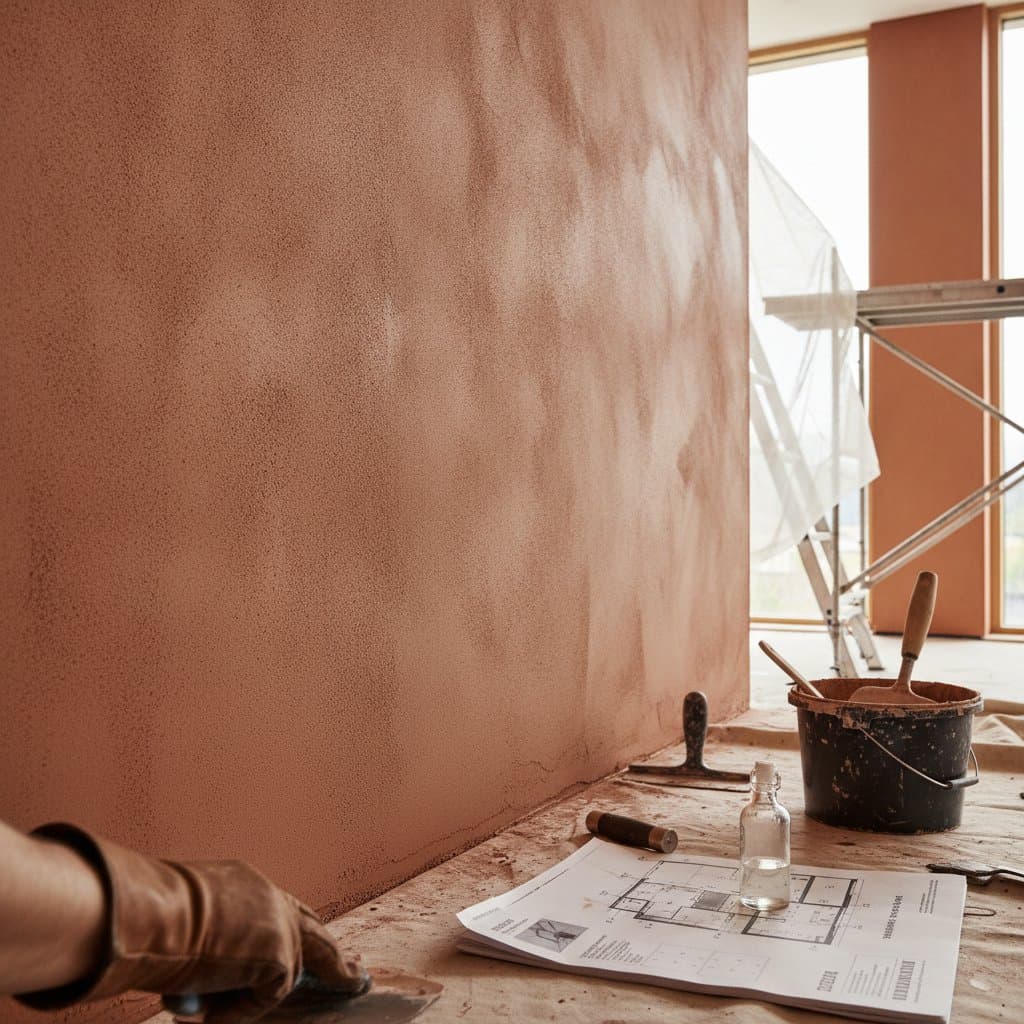
Painting an accent wall may appear manageable as a do-it-yourself project. The terracotta and ochre combination nevertheless requires precision to avoid uneven blending or visible brush marks.
DIY Considerations
- Skill requirements include basic painting ability and comfort with color edges.
- Tools needed include quality brushes, rollers, painter tape, drop cloths, and primer.
- Time investment covers a full weekend for preparation, painting, and cleanup.
- Risks involve uneven coating, color mismatch, or paint bleeding between tones.
When to Hire a Professional
- Two-tone or textured designs benefit from professional tools and experience.
- Large surfaces allow professionals to achieve uniform results faster.
- Special finishes such as faux plaster require specific technique.
- Professionals often provide warranties or touch-up support.
A professional painter delivers consistency, efficiency, and expertise in color transitions for homeowners who seek lasting results.
Preparing for the Painting Process
Homeowners support the project by completing certain preparations before painters arrive. Remove wall hangings, curtains, and decor. Move furniture at least three feet from the wall. Clean dust and cobwebs from corners. Confirm paint color codes and finish selections. Ensure adequate ventilation for drying.
During painting, minimize foot traffic near the workspace. After completion, allow at least one full day before rehanging art or placing furniture against the wall.
Material and Finish Considerations
Choosing Paint Finishes
- Matte offers a soft, elegant look ideal for calm spaces like bedrooms.
- Eggshell provides slight sheen that hides minor wall flaws and suits living rooms.
- Satin delivers durability and easy cleaning, perfect for kitchens or hallways.
- Semi-gloss creates a reflective and bold effect best for high-impact accent walls.
Terracotta often appears richer in matte or eggshell. Ochre benefits from satin light reflection.
Paint Quality Factors
Invest in low-VOC or eco-friendly paints for healthier indoor air. Premium paints provide better coverage, which reduces labor time and ensures smoother results.
Planning Your Project
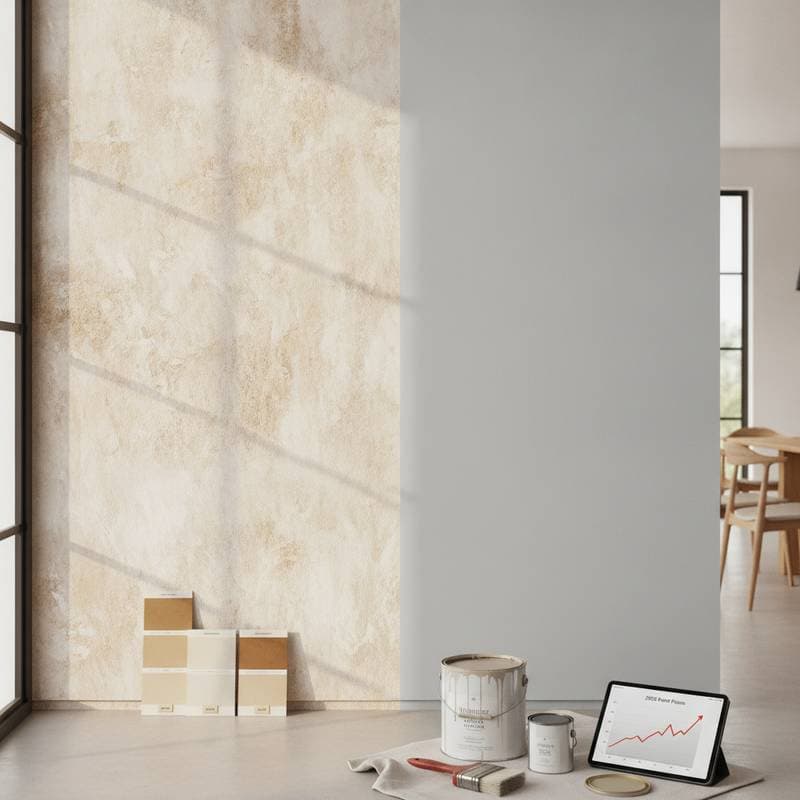
Before committing to a terracotta and ochre accent wall, visualize how the colors interact with furniture, flooring, and lighting. Use sample boards or small test patches. Observe them during different times of day to see how natural and artificial light affect tone perception.
Consider starting in a defined area such as a reading nook, hallway, or behind a sofa. Once comfortable with the result, extend the palette to larger spaces.
Terracotta and ochre pair well with natural materials like oak, rattan, and linen. Brass fixtures, clay pottery, and woven textiles enhance the earthy appeal.
Frequently Asked Questions
How much does a terracotta and ochre accent wall cost?
Most homeowners spend between 600 and 1000 dollars for a professionally painted two-color accent wall. The final cost depends on wall size, paint quality, and design complexity. Small single-color projects may cost closer to 300 dollars, while decorative finishes can reach 2000 dollars.
How long does the project take from start to finish?
A single wall typically takes one to two days, including preparation, priming, and painting. Larger rooms or textured designs may extend to three days. Always allow proper drying time before moving furniture or rehanging decor.
Should I paint the wall myself or hire a professional?
DIY is feasible for simple projects if you have the right tools and patience. For clean two-tone divisions, textured finishes, or large walls, hiring a professional ensures precision and durability. Professionals also handle prep work and cleanup efficiently.
How do I choose the right painter for this project?
Look for painters with proven experience in interior accent walls and warm color palettes. Ask for references, verify licenses and insurance, and review detailed written estimates. Compare not only price but also included services, paint brands, and warranties.
What should I expect during the painting process?
Painters will protect floors and furniture, repair minor wall flaws, apply primer, and then paint the chosen colors in two coats. You can expect some odor during drying, though low-VOC paints minimize this. After completion, edges should be clean and color transitions seamless.
What are common problems with accent wall projects and how can they be avoided?
Typical issues include uneven color coverage, paint bleeding between tones, or poor surface preparation. These can be prevented by using quality primer, allowing adequate drying time, and taping edges carefully. Hiring experienced painters greatly reduces these risks and ensures a professional finish.
Achieving a Lasting Result
A terracotta and ochre accent wall blends creativity with craftsmanship. Careful planning turns it into more than a decorative feature. The result defines the mood of a space and showcases the homeowner personality with warmth and confidence.