The Costly Consequence of Skipping Sanding
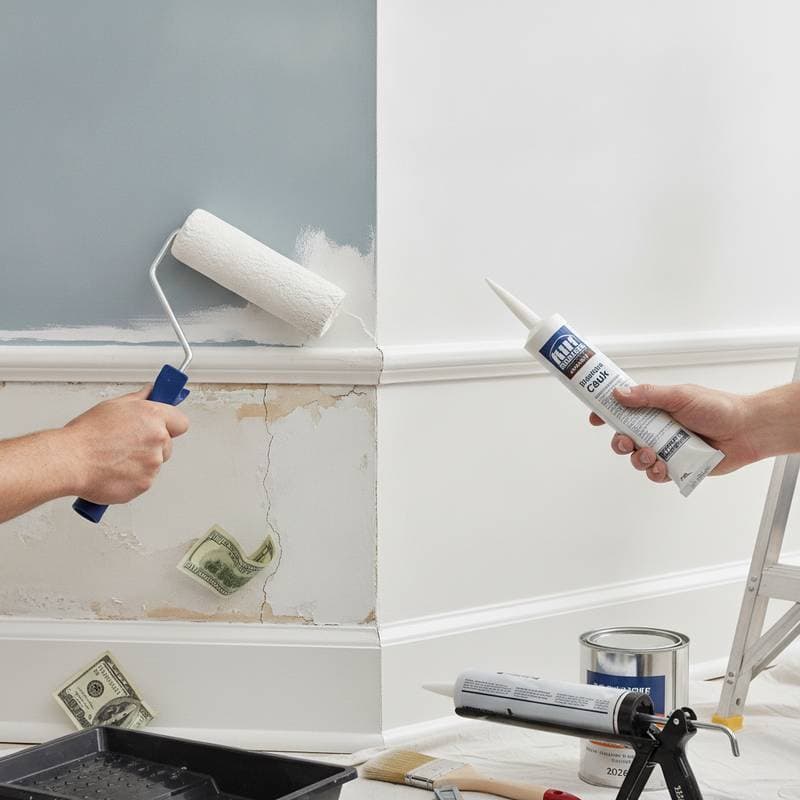
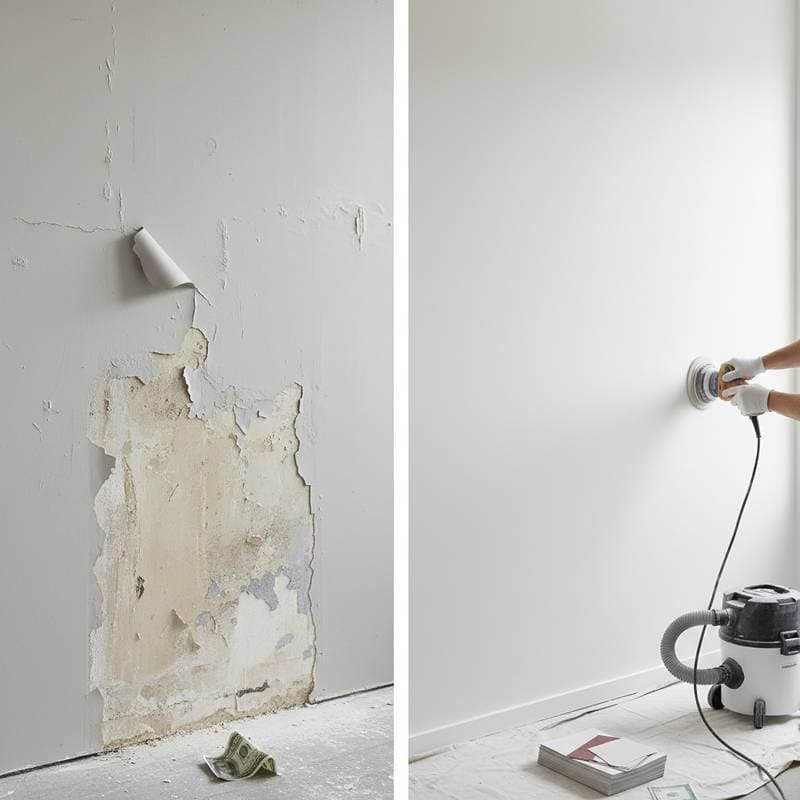
Homeowners often encounter walls that appear flawless shortly after painting, only to develop bubbles, peeling, uneven sheen, or dull patches within weeks. These issues require extensive repairs, frequently costing hundreds of dollars. The primary cause lies in omitting the sanding step, a decision that transforms a perceived time-saver into a substantial financial burden. This article examines the importance of sanding, proper techniques, and the repercussions of bypassing it.
The Essential Role of Sanding in Paint Application
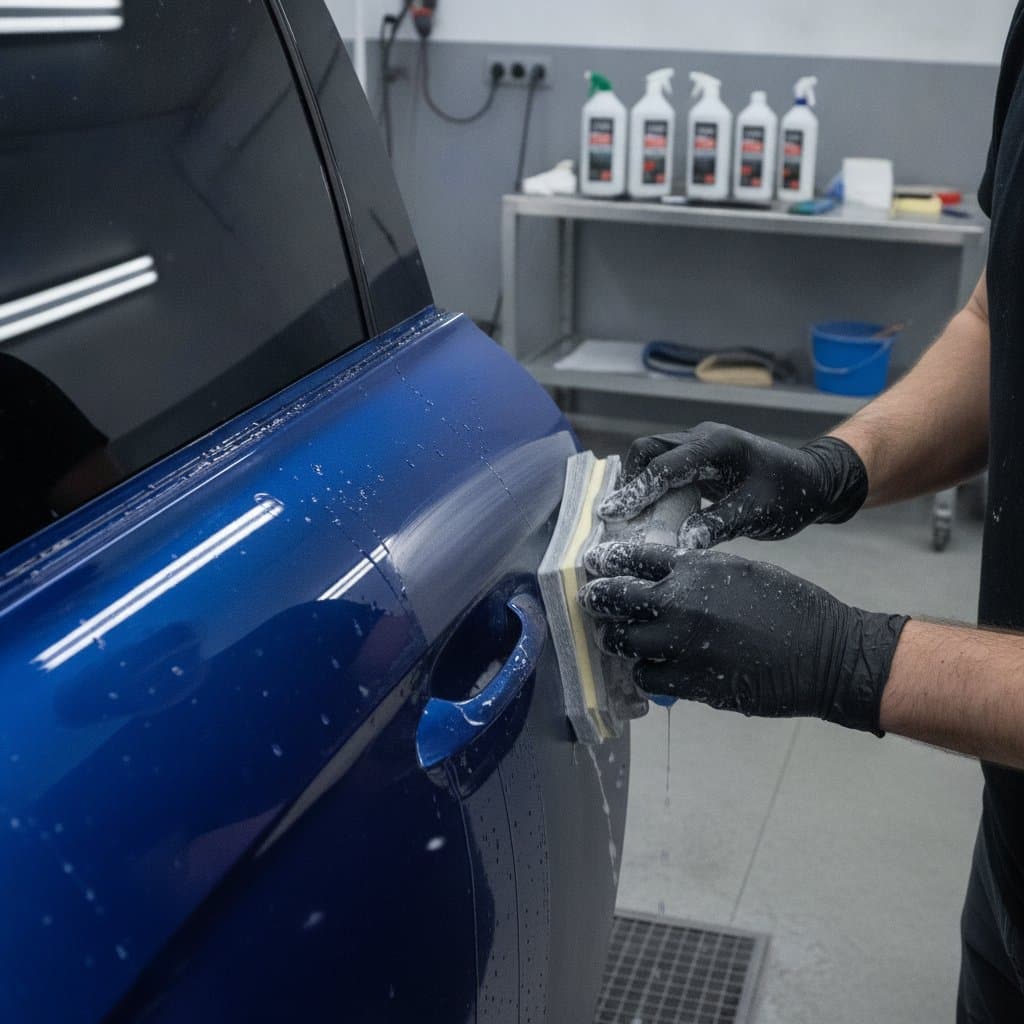
Sanding serves as a critical preparation process that establishes a smooth, receptive surface for paint adhesion and optimal appearance. Without this step, even high-quality paints and primers fail to achieve their intended performance.
Sanding accomplishes several key functions:
- Removes imperfections such as bumps, dust particles, and residual roller marks.
- Levels existing paint layers for uniform application of new coats.
- Exposes microscopic pores on the surface to enhance paint bonding.
- Establishes a mechanical bond that prevents peeling beyond mere chemical adhesion.
Omitting sanding leaves behind oils, dust, or glossy residues that hinder adhesion, leading to premature paint failure.
Financial Implications of Neglecting Sanding
The investment in sanding remains minimal, typically involving sandpaper sheets, a sanding pole, and a dust mask for indoor work. In contrast, the expenses from skipped sanding escalate quickly when repainting becomes necessary.
Consider these cost breakdowns:
- DIY Remediation: Repainting a single room after peeling occurs demands $150 to $300 in materials, plus significant time investment.
- Professional Intervention: Hiring experts for stripping, sanding, repainting, and potential trim or furniture adjustments can exceed $800.
- Long-Term Expenses: Inadequate preparation shortens the durability of premium paints, necessitating more frequent touch-ups and accumulated costs.
This pattern illustrates how an initial oversight results in substantial later expenditures.
Tailored Sanding Approaches for Various Surfaces
Effective sanding varies by surface type to address unique characteristics and ensure compatibility with paint.
Drywall:
Employ 120- to 150-grit sandpaper for gentle smoothing, concentrating on joints and patched areas. Neglecting this allows joint compound edges to become visible through the paint, particularly under angled lighting.
Plaster:
Select medium- to fine-grit sandpaper after confirming full curing and cleanliness. Plaster generates fine dust, so vacuum thoroughly and wipe with a damp cloth prior to painting.
Existing Painted Walls:
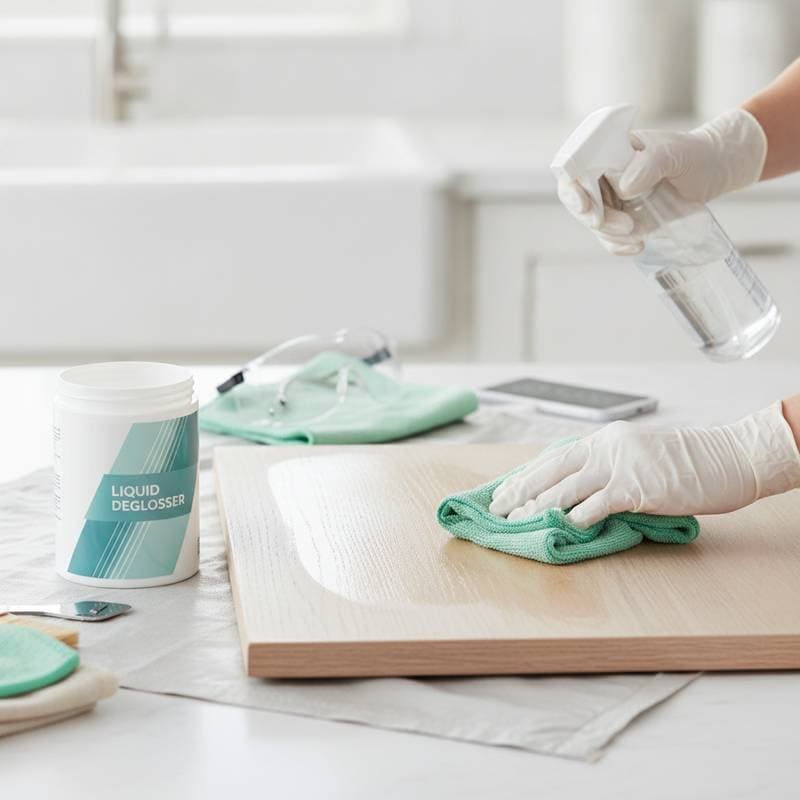
For surfaces with semi-gloss or satin finishes, dull the sheen using a sanding sponge or liquid deglosser. Failure to do so causes new paint to bead or detach easily.
Wood Trim or Paneling:
Apply light sanding before painting or staining, even on factory-primed pieces, to promote superior adhesion.
Accessible Sanding Solutions Across Budgets
Professional-quality preparation remains achievable regardless of financial constraints.
Basic Setup:
Sand manually with a block and sheets of sandpaper, followed by dust removal using a microfiber cloth. Estimated cost: less than $20.
Moderate Investment:
Acquire a pole sander for efficient wall and ceiling work, paired with a vacuum featuring a brush attachment for cleanup. Estimated cost: $60 to $100.
Advanced Option:
Purchase or rent a drywall sander equipped with dust collection, utilizing durable sanding discs. Estimated cost: $200 to $300, offering superior speed and reduced mess.
Consistency across all surfaces proves more valuable than equipment alone.
Indicators of Adequate Sanding
Verify readiness for painting with these straightforward assessments:
- Tactile Evaluation: Glide your hand across the surface; it must feel uniformly smooth without grit.
- Illumination Inspection: Rake a work light along the wall to detect glossy areas, then sand them to a matte finish.
- Dust Elimination: Employ a tack cloth or vacuum to eradicate all particles, as dust compromises paint integrity.
- Seamless Patches: Ensure spackled or filled sections integrate invisibly; resand any detectable edges.
Achieving this level of smoothness rewards the preparatory effort with superior results.
Insights from Professional Set Environments
In television production, where rapid timelines demand camera-ready perfection, sanding formed an indispensable part of every paint process. Studio lighting amplifies even minor textures, casting unwanted shadows that disrupt visuals.
Similar principles apply in residential settings. Ambient light sources, from sunlight to fixtures, reveal surface irregularities. Proper sanding mitigates these concerns, allowing paint colors to appear vibrant and consistent.
Practical Techniques for Efficient Sanding
Implement these methods to minimize dust and enhance outcomes:
- Apply a light water mist to the surface beforehand to contain airborne particles.
- Employ circular motions to avoid linear sanding marks.
- Vacuum intermittently to maintain a clean working area.
- Organize sandpaper by grit level, progressing from coarser to finer for optimal refinement.
For glossy paints, pretreat with a water and mild dish soap solution to eliminate oils and improve sandpaper traction.
Consequences of Bypassing Sanding
Foregoing sanding invites specific defects:
- Paint Delamination: Layers lift at edges or trim junctions.
- Inconsistent Finish: Variations in sheen emerge across the same surface.
- Exposed Patches: Repair areas become prominent beneath the paint.
- Surface Disruptions: Trapped moisture causes bubbles or blisters.
Addressing these requires scraping, sanding, priming, and repainting, consuming days and considerable funds.
Mechanisms of Paint Adhesion
Paint forms a durable connection by infiltrating microscopic abrasions created through sanding, establishing a mechanical interlock. This approach surpasses reliance on chemical bonds alone.
Untreated glossy or contaminated surfaces allow paint to rest superficially, vulnerable to environmental shifts like temperature or humidity fluctuations. A targeted sanding application fortifies longevity.
Achieving Enduring Surface Quality
Upon completion, walls exhibit a silky texture and uniform appearance under all lighting conditions. The ease of paint application yields deeper, more professional tones.
Sanding underpins sustained aesthetic appeal, applicable to rentals, primary residences, or commercial properties. Dedicating time to preparation averts repairs, conserves resources, and fosters confidence in the final outcome. Prioritize thorough surface readying to realize the full potential of your paint selection.