Refresh Popcorn Ceilings with a Professional Skim Coat for $800
Popcorn ceilings gained popularity in mid-century homes for their ability to hide imperfections and provide sound dampening. Today, homeowners seek sleeker alternatives that align with contemporary design trends. A skim coat application offers an efficient solution to smooth these textured surfaces, often completing the project for approximately $800 in standard rooms, based on size and condition.
This approach not only modernizes the space but also boosts light reflection and perceived room height. Professional execution ensures precision, minimizing errors that could lead to uneven results. The investment yields a durable finish that enhances property value and simplifies future maintenance.
Understanding the Skim Coat Technique
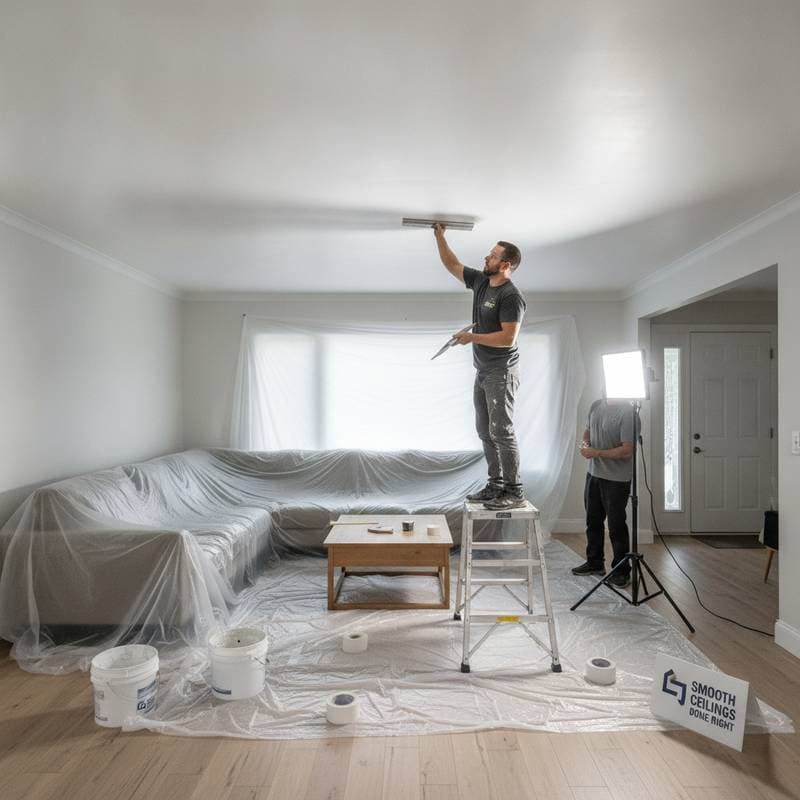
Skim coating involves applying a thin layer of joint compound over the popcorn texture to create a seamless surface. Begin by gently scraping loose popcorn material with a wide putty knife to avoid damaging the underlying drywall. Next, apply a sealant to stabilize the surface and prevent the compound from absorbing unevenly.
Proceed with two to three layers of joint compound, using a 12-inch trowel to spread it thinly and evenly. Allow each layer to dry for several hours before lightly sanding with 120-grit sandpaper to remove high spots. Finish by priming the surface with a high-build primer to seal the compound, followed by two coats of ceiling paint for a uniform sheen.
Precision in these steps demands steady hands and quality tools, such as hawk boards for holding compound and extension poles for overhead work. Professionals employ dust extraction systems during sanding to maintain air quality. The outcome is a flawless ceiling that integrates seamlessly with modern interiors, from minimalist whites to subtle tints.
Project Cost Breakdown
Costs vary by project scope, but a basic skim coat refresh typically falls within predictable ranges. For small rooms under 200 square feet, expect $600 to $800. Medium spaces of 200 to 400 square feet range from $800 to $1,200, while larger or intricate areas exceed $1,500.
What's Included in the Standard Package
- Careful removal of loose popcorn texture without aggressive scraping
- Thorough cleaning and application of a bonding primer or sealant
- Two to three even layers of all-purpose joint compound
- Progressive sanding from coarse to fine grits for smoothness
- Application of primer and two finish coats of flat ceiling paint
- Complete site cleanup, including vacuuming dust and disposing of debris
Additional Costs to Consider
- Structural repairs for issues like water stains or drywall cracks, adding $200 to $500
- Asbestos inspection and abatement if the home dates to pre-1980, potentially $1,000 or more
- Custom options such as low-VOC paints, metallic sheens, or integrated lighting adjustments
Factors Influencing the Final Price
| Factor | Cost Impact | Specific Examples |
|---|---|---|
| Room Dimensions | Direct Proportion | 10x10 foot bedroom vs. 20x20 foot living area |
| Ceiling Height | Time and Equipment | Standard 8-foot vs. 12-foot vaulted designs |
| Existing Damage | Preparation Time | Stains requiring patching or mold treatment |
| Material Selection | Quality Premium | Eco-friendly compounds or stain-blocking primers |
Labor constitutes 60 to 70 percent of the total, reflecting the expertise needed for overhead application. Materials like joint compound cost $20 to $50 per five-gallon bucket, while primers and paints add another $100. Complex geometries, such as tray ceilings, increase time for masking and detailing.
Professional Versus DIY Approaches
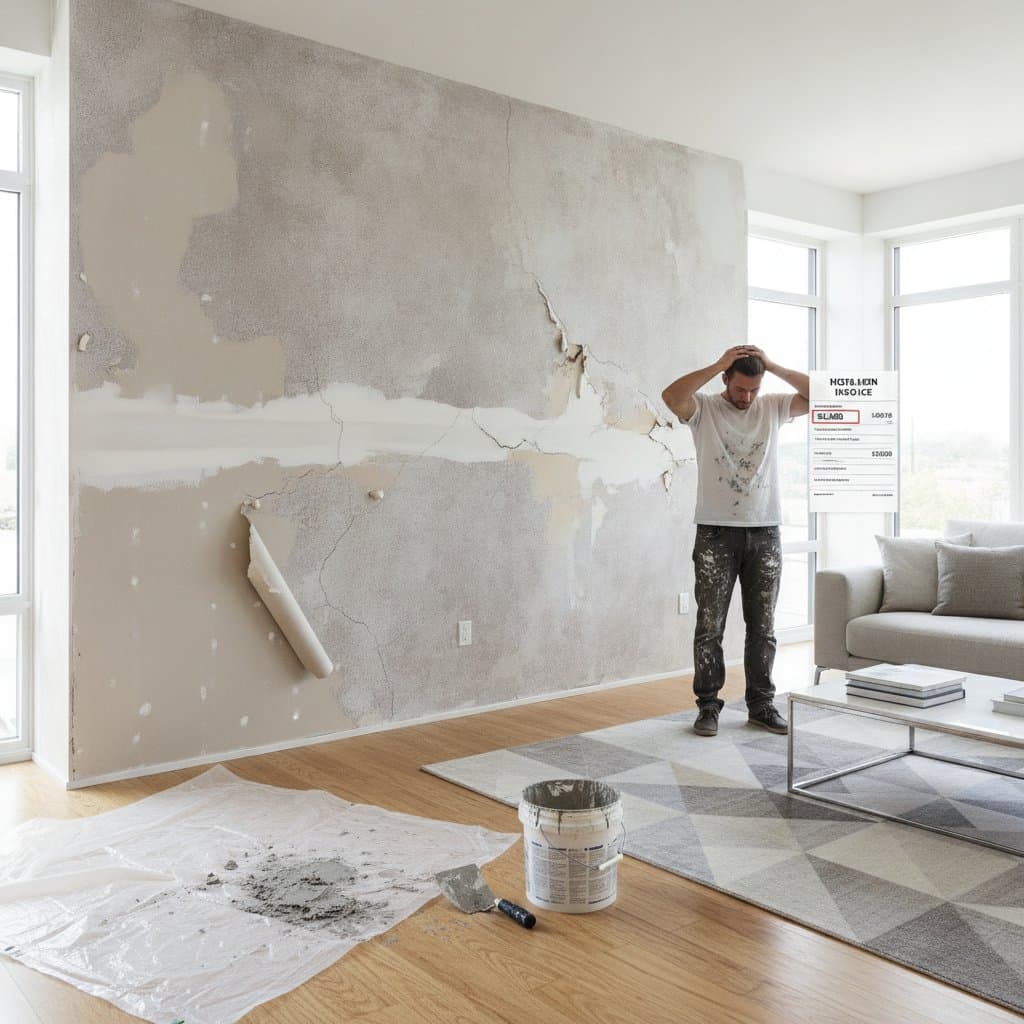
Attempting a DIY skim coat appeals to budget-conscious individuals, yet the challenges often outweigh savings. Overhead work strains the body, and without practice, achieving a level-five smooth finish proves difficult. Common pitfalls include over-application leading to cracks or insufficient sanding causing visible ridges.
Professionals bring industrial-grade equipment, including automatic sanders and spray-on sealants, to expedite the process. They also manage dust containment with plastic sheeting and HEPA vacuums, preserving the home's cleanliness. For a 300-square-foot room, DIY might require a weekend plus tool rentals at $150, whereas experts finish in days with guaranteed warranties.
Hiring specialists reduces liability, especially regarding asbestos risks in older homes. Their experience ensures compliance with local building codes and delivers results that pass home inspections. Ultimately, the $800 professional fee provides peace of mind and superior longevity compared to amateur efforts.
Preparation Steps for Optimal Results
Effective preparation sets the foundation for success and minimizes disruptions. Start by clearing the room: relocate furniture to another area or cover it securely with plastic sheeting and tape. Protect floors with heavy-duty drop cloths, overlapping seams to prevent compound drips from seeping through.
Tape edges of walls, crown molding, and light fixtures using painter's tape for clean lines. Ventilate the space by opening windows and using fans to direct dust outward. If asbestos is suspected, halt all work and consult certified inspectors immediately.
Homeowners contribute by labeling fragile items and providing access to electrical shutoffs. Contractors handle specialized tasks like erecting scaffolding for high ceilings. These measures ensure safety and efficiency, allowing the team to focus on the ceiling transformation.
Typical Project Timeline
Skim coating projects unfold over a structured schedule to accommodate drying times. For a standard 250-square-foot room, allocate two to three days. Day one focuses on preparation: loose texture removal, cleaning, and sealing, which takes four to six hours.
On day two, apply the first two skim coats, allowing four to eight hours of drying between each. Sanding occurs the following morning, followed by priming in the afternoon. Day three involves final sanding, priming inspection, and painting, with the space ready for use after 24 hours of curing.
Larger projects or those with repairs extend to four or five days. Weather influences indoor humidity, potentially slowing drying; professionals monitor conditions to adjust. Clear communication about timelines helps homeowners plan around the work.
Deciding on Your Ceiling Upgrade
Selecting skim coating over full removal balances cost and effort effectively. This method preserves the original drywall, avoiding the mess of total demolition. It suits homes with intact structures seeking subtle enhancements without major renovations.
Evaluate your space's needs: if textures trap dust or clash with decor, skim coating delivers quick impact. Consult multiple contractors to compare approaches, such as combining with wall refreshes for cohesive results. The $800 threshold makes it accessible for targeted updates, like entryways or bedrooms.
Benefits extend beyond aesthetics; smooth ceilings facilitate easier cleaning and improve acoustics subtly. Long-term, the finish resists peeling when sealed properly, supporting sustainable home improvements.
Frequently Asked Questions
1. What primarily determines the cost of a skim coat project?
Room dimensions, ceiling complexity, and pre-existing damage influence the total most significantly. Additional services like repairs or testing for hazardous materials can elevate expenses beyond the standard rate.
2. How much time does a complete skim coat transformation require?
Small to medium rooms typically demand two to three days, accounting for application, drying intervals, and finishing steps. Complex jobs may extend to a week.
3. Is DIY removal of popcorn ceilings advisable?
Safety concerns, particularly asbestos in homes built before 1980, make professional involvement essential. Even without hazards, the physical demands and skill requirements often lead to suboptimal outcomes for novices.
4. How do you select a reliable contractor for this work?
Request client references, confirm active licensing and insurance coverage, and obtain itemized proposals. Reviewing at least three bids reveals competitive pricing and service quality.
5. What homeowner tasks prepare the site effectively?
Evacuate furnishings, shield surfaces with coverings, and secure adjacent areas against dust. Professionals manage technical aspects like containment barriers and ventilation setup.
6. What steps ensure the finish remains smooth and durable?
Examine the primed surface for imperfections before painting. Opt for quality sealers and paints to lock in the compound, preventing future wear or discoloration.
Realize the Benefits of a Smoother Ceiling
A skim coated ceiling transforms ordinary rooms into inviting spaces that feel larger and more refined. The even surface diffuses light beautifully, highlighting architectural details without distraction. With professional application at $800, homeowners gain a low-maintenance upgrade that endures for years, enhancing daily comfort and resale potential.