Unlock Savings on Benjamin Moore's 2025 Discontinued Colors
Each painting season introduces new palettes and finishes that inspire homeowners to refresh their spaces. However, the true value often emerges when established colors retire from production. Benjamin Moore's discontinuation of select shades for 2025 presents a prime chance to acquire premium paints at reduced prices. These opportunities allow individuals to preserve unique hues while achieving professional results on a budget. Grasping the mechanics of these sales, anticipating stock limitations, and strategizing project timelines enables maximum benefit from fleeting availability.
Understanding Discontinued Colors for Homeowners
Paint companies retire colors to streamline catalogs and introduce innovations. Discontinued shades retain the superior formulas of active lines, ensuring equivalent performance in coverage and durability. Retailers liquidate surplus inventory through clearance sales, which provide access to high-end options at markdowns of 20 to 50 percent.
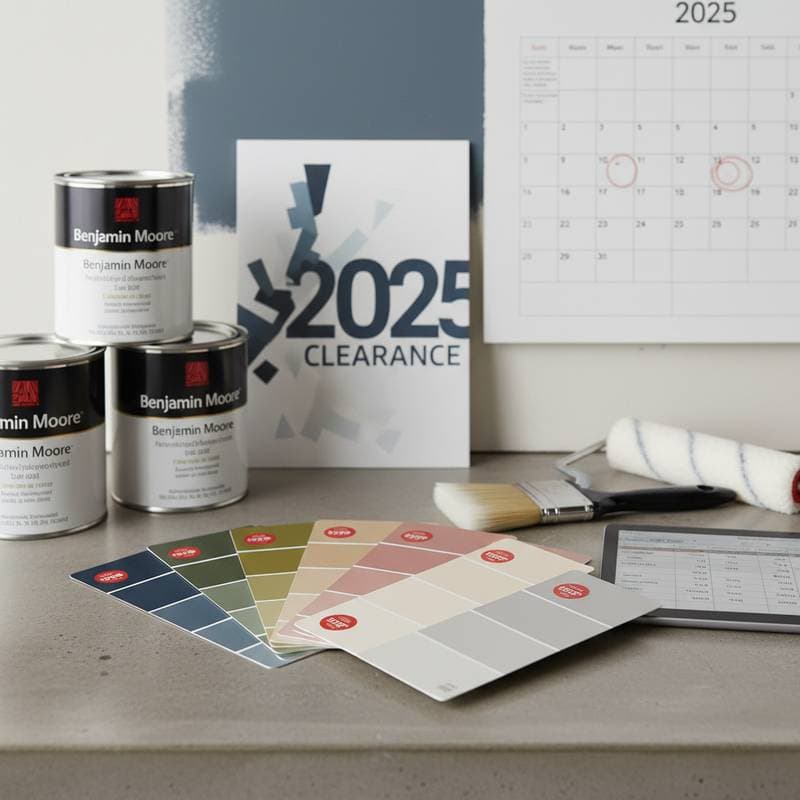
Benjamin Moore's 2025 retirements encompass versatile neutrals alongside distinctive accents, such as warm taupes, crisp beiges, and vibrant teal variations. Homeowners undertaking room updates or full repaints discover significant economies. For instance, a single gallon of premium paint might drop from $80 to $40, amplifying savings on larger projects.
Breaking Down Project Costs
Typical Cost Ranges
- Basic repaint for one room: $2,000 to $3,500
- Standard refresh for multiple rooms: $3,500 to $6,000
- Complete interior overhaul: $6,500 to $10,000
Standard Inclusions
- Surface preparation and application labor
- Primer application followed by two finish coats
- Basic patching, sanding, and material disposal
- Post-project cleanup
Additional Expenses
- Structural repairs to walls or trim
- Application of specialty textures or finishes
- Precise matching for retired shades
- Relocation and protection of furnishings
Key Cost Influences
| Factor | Impact on Cost | Specific Examples |
|---|---|---|
| Paint Quality | Elevates per-gallon expense | Benjamin Moore premium formulations |
| Surface State | Demands extended prep time | Repairing cracks or stripping layers |
| Color Shift | Requires additional layers | Transitioning from deep red to pale gray |
| Room Dimensions | Extends labor duration | Handling high ceilings or ornate moldings |
These elements guide budgeting decisions. Homeowners calculate needs by measuring square footage and consulting material estimates early.
Benefits of Selecting Discontinued Shades
Opting for retired colors extends financial resources without compromising on paint integrity. Benjamin Moore formulas deliver consistent washability, fade resistance, and one-coat coverage regardless of catalog status. The primary constraint involves finite supply; post-clearance, reproduction ceases.
Timeless options like soft sages or charcoal grays complement contemporary designs effectively. These selections suit targeted applications, including kitchen cabinets or exterior trim. Homeowners secure enduring appeal by acting promptly on preferred tones.
Strategies for Managing Limited Stock
Discontinued paints demand proactive acquisition. Estimate requirements by multiplying wall area by coverage rates, typically 350 to 400 square feet per gallon. Purchase 10 to 20 percent extra to accommodate touch-ups or discrepancies.
Confirm batch consistency through labeling to avoid shade variations. For extended projects, seal and store excess in temperature-controlled areas below 80 degrees Fahrenheit. This practice preserves usability for subsequent maintenance, such as door refinishing.
Weighing Professional Assistance Against Self-Application
Engaging Professionals
Experienced crews ensure uniform outcomes through meticulous preparation and skilled execution. Such services prove invaluable for expansive interiors or intricate features like crown molding. Although labor constitutes 60 to 70 percent of expenses, the precision and expediency offset investments.
Professionals select appropriate primers for discontinued paints and manage logistics seamlessly. They also advise on quantity purchases to prevent shortages.
Tackling Projects Independently
Smaller endeavors, such as mural accents or furniture pieces, lend themselves to personal efforts. Quality tools, including angled brushes and drop cloths, enhance results. Test samples in natural and artificial light to verify suitability before full commitment.
Independent approaches yield cost reductions of up to 50 percent, though preparation phases extend timelines. Dedicate time to taping edges and ventilating spaces adequately.
Selecting a Reliable Painting Contractor
Partner with specialists familiar with Benjamin Moore inventories to optimize clearance purchases. Seek providers who detail material sourcing and application techniques in proposals. Inquire about protocols for handling leftovers, such as secure labeling for longevity.
Verify credentials through insurance documentation, contractual agreements, and warranty provisions. Review testimonials and local certifications to confirm reliability. Contractors often facilitate shade transitions by recommending close matches from current lines for ongoing needs.
Preparing Your Home for Optimal Results
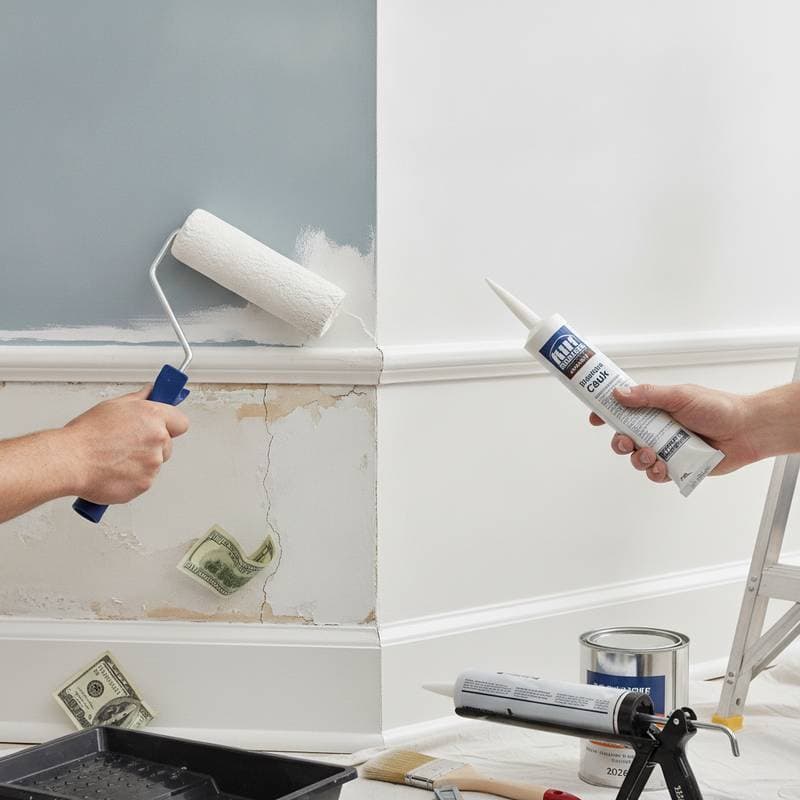
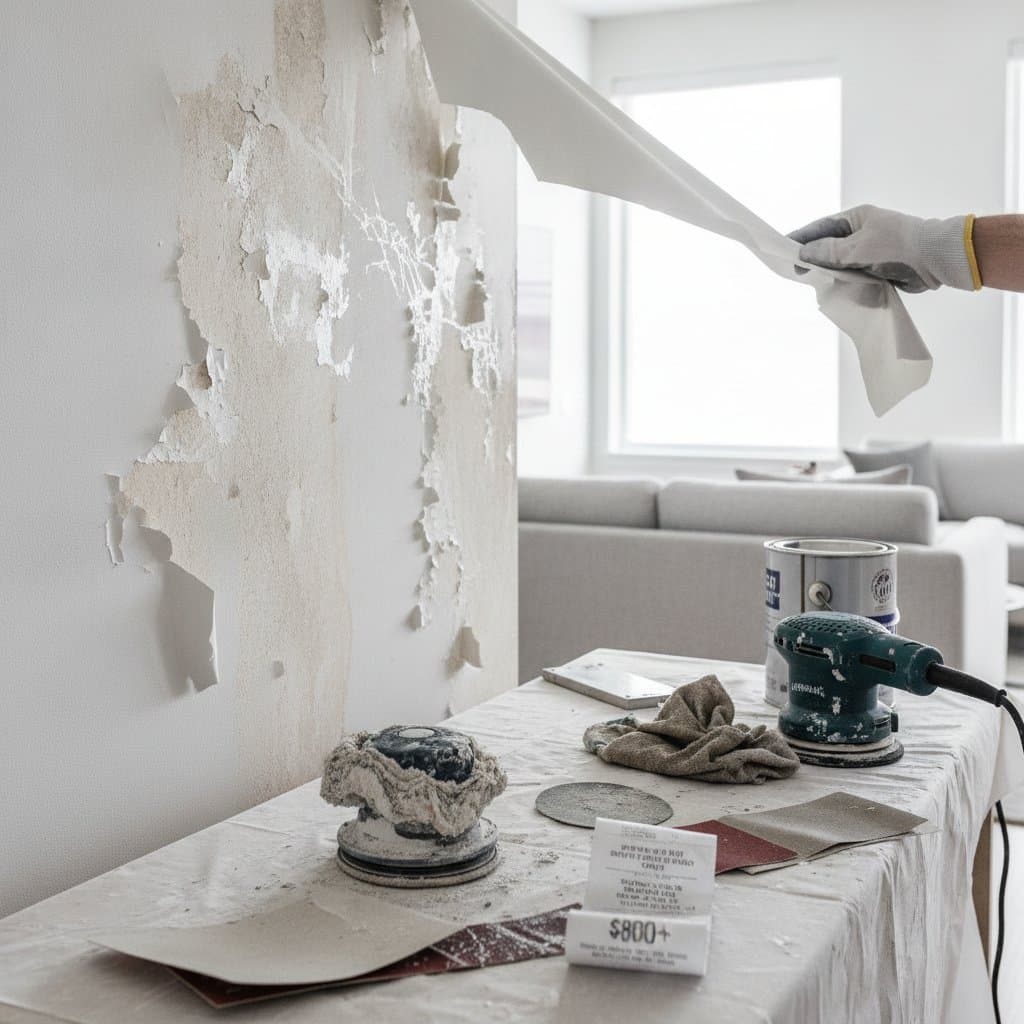
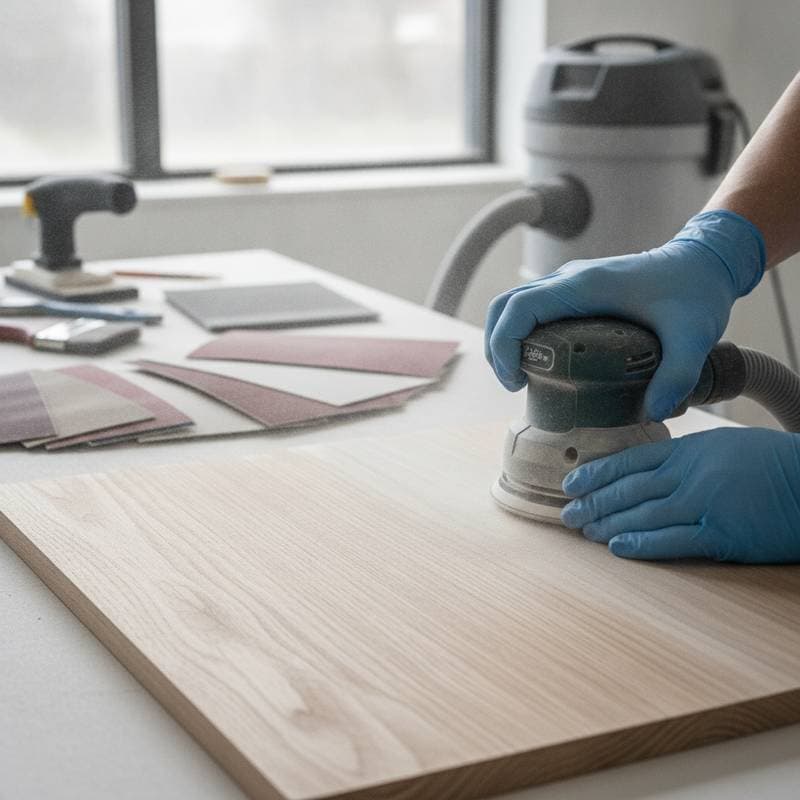
Effective preparation minimizes disruptions and elevates finish quality. Begin by clearing rooms of obstacles and covering floors with durable sheets. Inspect surfaces for imperfections, addressing dents or peeling with spackle and sandpaper.
Clean walls thoroughly to remove dust and grease, using mild detergent solutions. Apply painter's tape along edges for crisp lines. Allow drying time between steps to prevent adhesion issues, particularly with older substrates.
These measures ensure discontinued paints adhere evenly, reducing the need for rework.
Maximizing Clearance Value
To capitalize on 2025 deals, monitor retailer announcements for restock alerts. Compare prices across local stores and online outlets, prioritizing those offering bulk discounts. Integrate purchases into broader renovations to distribute costs over time.
Document selections with photos and swatches for future reference. Pair retired hues with complementary accents from active collections for cohesive designs. This approach transforms temporary sales into lasting enhancements, delivering both aesthetic and economic returns.
Common Questions About Discontinued Paints
How Substantial Are the Discounts on Retired Shades?
Reductions typically span 20 to 50 percent off regular rates. Extent varies by remaining stock and product tier. Bulk acquisitions frequently unlock further incentives, such as free delivery.
What Is the Shelf Life of Unused Discontinued Paint?
Sealed cans endure for years in stable environments, shielded from extreme temperatures. Opened portions perform best within months; stir thoroughly before reuse to maintain consistency.
Is Color Matching Feasible for Retired Options?
Specialty retailers employ spectrophotometers to approximate discontinued tones accurately. Retain physical samples, like test patches, to aid replication efforts.
When Does Professional Help Make Sense?
Opt for experts on comprehensive jobs or those involving structural prep. Their expertise in primer choices and application techniques ensures superior adhesion and appearance for specialty paints.
What Steps Follow If Supply Runs Short?
Reach out to suppliers promptly for alternative sources. Absent stock, matching services provide viable substitutes, albeit with potential subtle differences. Reserve remnants meticulously for minor repairs.
Do Retired Colors Compromise on Performance?
Formulas match current offerings in strength and finish. Retirement stems from strategic shifts, not quality concerns, guaranteeing reliable results across applications.