Professional Insights on TSP Substitutes for Paint Preparation
Proper surface preparation forms the foundation of any successful paint project. Professionals recognize that effective cleaning ensures strong paint adhesion and durable results. For many years, trisodium phosphate, known as TSP, served as the standard cleaner for removing grease and grime. However, evolving safety regulations and environmental concerns have prompted the adoption of less hazardous alternatives. These modern options deliver comparable performance while minimizing health risks and ecological impact.
This article examines reliable TSP substitutes, explains their benefits, and provides guidance on selection and application for optimal results.
Recommended TSP Substitutes
The following selections represent trusted choices among painting professionals. Each option balances efficacy, safety, and versatility for various surfaces.
1. Krud Kutter Prepaint Cleaner
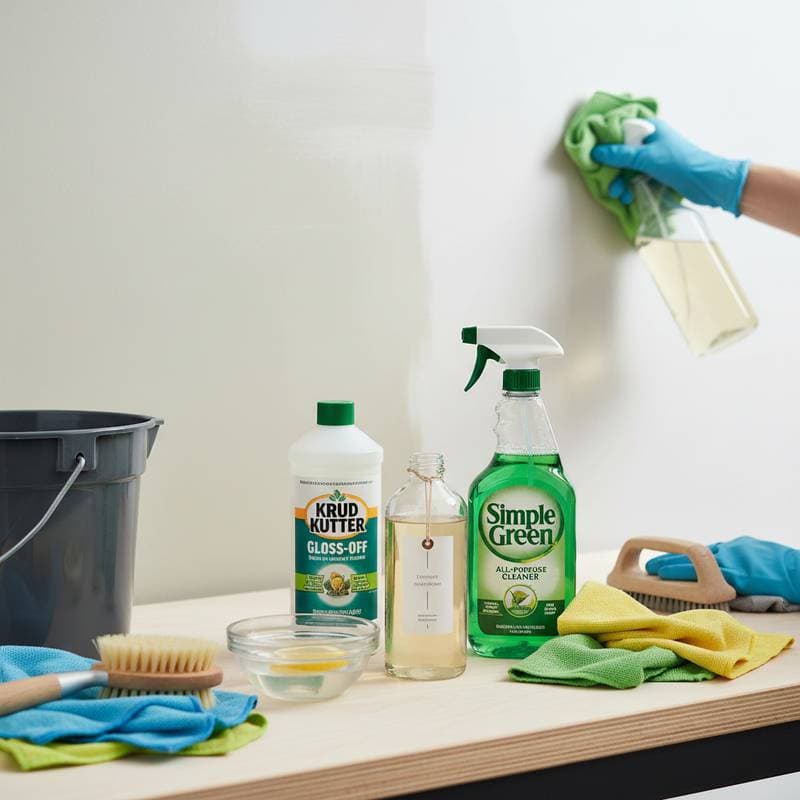
Krud Kutter stands out as a biodegradable, non-toxic formula suitable for walls, cabinets, and other common surfaces. It effectively removes grease, nicotine stains, and scuff marks with minimal effort. Apply by spraying the product, wiping the area, and rinsing thoroughly.
Cost-Saving Advice:
- For minimal expense, purchase the concentrate and dilute according to label instructions.
- For moderate budgets, select the ready-to-use spray bottle for ease of application.
- For extensive work, such as whole-house repaints, opt for a gallon container.
Professionals value its clean rinse, which prevents residue buildup and promotes secure paint adhesion. In time-sensitive environments like film sets, this reliability proves essential.
2. Simple Green All-Purpose Cleaner
Widely available and recognized for its non-toxic, biodegradable properties, Simple Green excels in general cleaning tasks. Although not exclusively designed for paint preparation, it handles degreasing effectively when followed by thorough rinsing. Professionals frequently employ it in grease-heavy areas such as kitchens and bathrooms.
Its strength lies in providing robust degreasing without damaging underlying surfaces. This feature proves particularly useful for preparing glossy cabinets or trim.
Application Guidance: Rinse completely after use. Employ a damp microfiber cloth to eliminate any remaining traces before applying primer. This precaution significantly enhances the final outcome.
3. DIY Vinegar and Baking Soda Solution
Household staples offer a cost-effective, eco-friendly alternative for milder cleaning needs. White vinegar dissolves grease, while baking soda provides mild abrasiveness. The combination yields a gentle yet effective cleaner for surfaces with light soiling.
Preparation Instructions: Mix one cup of white vinegar with one tablespoon of baking soda in a gallon of warm water. Stir until combined, then apply using a sponge or soft cloth.
This solution suits walls bearing dust, fingerprints, or light kitchen residue. It falls short for heavy accumulations but serves well as a pre-painting maintenance option.
Affordability: The ingredients cost virtually nothing, making it ideal for small projects or budget-conscious renovations.
Essential Application Techniques
Selecting Appropriate Tools
Choose tools based on the surface type. For walls, a large cellulose sponge or microfiber mop ensures even coverage. For trim and furniture, soft cloths or non-abrasive pads prevent damage. Steer clear of rough materials that might scratch the surface.
Proceeding from Top to Bottom
Begin cleaning at the ceiling level and move downward to counteract gravity. This method avoids drips that could redeposit dirt on already cleaned sections. Rinse frequently and refresh the rinse water when it becomes discolored.
Ensuring Complete Rinse and Dry
Even products labeled as no-rinse require a final pass with clean water to remove all traces. Allow surfaces to dry fully to guarantee proper primer and paint bonding. Use lint-free towels or a fan to accelerate drying.
Inspecting Under Proper Lighting
Examine cleaned areas under bright light to detect any residue or inconsistencies in sheen. This technique, borrowed from professional production environments, confirms the surface meets high standards. A portable light source facilitates thorough inspection before proceeding to painting.
Sustaining Your Painted Surfaces
After preparation and painting, routine maintenance preserves the finish. Diluted Simple Green or a vinegar-water solution cleans gently without compromising the paint's integrity. Refrain from aggressive chemicals that might erode the coating or change its appearance.
Key maintenance practices include:
- Performing light cleaning every few months.
- Treating stains promptly to prevent setting.
- Repairing chips using stored leftover paint in sealed containers.
A meticulously prepared surface maintains its professional appearance for extended periods. This approach benefits homeowners and professionals alike by combining aesthetic appeal with practical longevity.
View surface preparation as an integral element of the overall design process. Selecting appropriate TSP substitutes fosters a safer, more efficient workflow. Superior preparation consistently yields exceptional paint results, enhancing every project's success.