Safer TSP Alternatives for Lead Paint Surface Preparation
Preparing surfaces coated with lead paint demands careful attention to safety and precision. Traditional methods often relied on trisodium phosphate, known as TSP, to strip away grease, chalk, and grime prior to repainting. Although effective, TSP poses risks due to its toxicity, potential environmental harm, and incompatibility with lead-safe protocols.
Safer alternatives exist that deliver comparable performance without these drawbacks. Homeowners and painters alike can select from modern, eco-friendly options when refreshing older homes, restoring trim, or cleaning walls with potential lead content. These products and methods ensure thorough preparation while prioritizing health and regulatory compliance.
Criteria for Safe Cleaners in Lead Paint Preparation
Effective cleaners for lead paint work must satisfy specific standards to protect users and the environment. Consider these essential qualities when selecting a product:
- Low Toxicity Levels: Choose formulations that emit minimal vapors and leave no hazardous residues, reducing inhalation or skin contact risks.
- Phosphate-Free Composition: Opt for options without phosphates to prevent water and soil contamination from runoff.
- Superior Dirt Removal: The cleaner needs to dissolve oils, chalky buildup, and embedded dirt, ensuring optimal adhesion for new paint layers.
- Easy Rinsing Properties: Select products that wash away completely, avoiding any filmy residue that could interfere with painting.
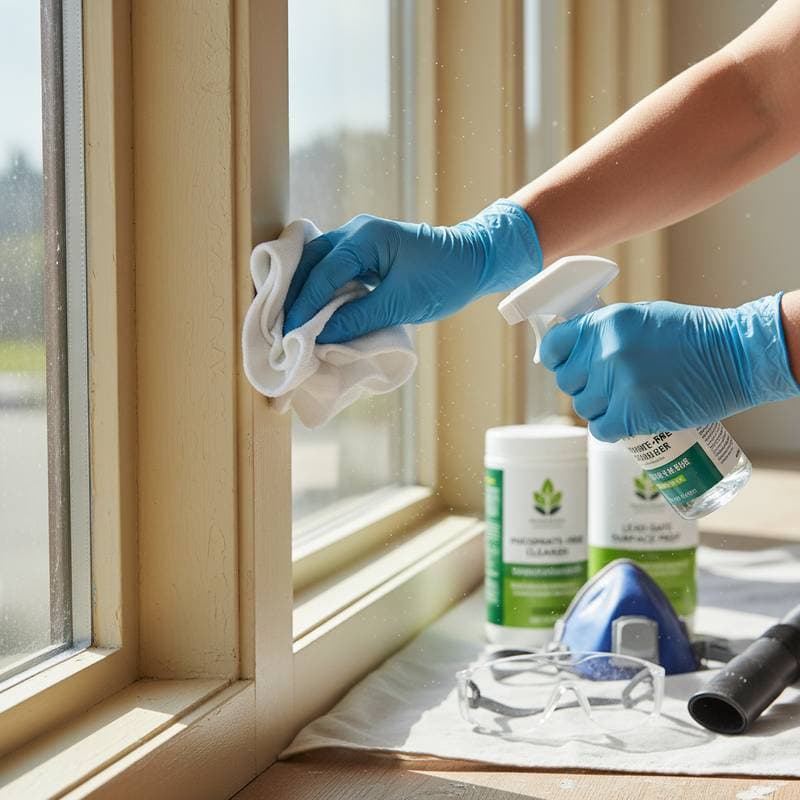
- Alignment with Lead-Safe Practices: Prioritize cleaners that support dust containment, integrate with HEPA vacuuming, and facilitate wet wiping to limit lead particle dispersal.
Many safer cleaners incorporate surfactants, gentle alkaline agents, or plant-derived solvents. These ingredients effectively loosen contaminants from surfaces like wood, plaster, or metal without causing corrosion or excessive drying.
Project Cost Breakdown
Understanding expenses helps in budgeting for lead paint preparation. Costs vary based on project scope, but planning ahead allows for informed decisions.
Average Cost Ranges
- Basic Cleaning Project: $150 to $350, suitable for small, intact areas.
- Standard Lead-Safe Preparation: $400 to $850, including containment and specialized tools.
- Comprehensive Renovation Preparation: $900 to $1,800, for extensive or multi-room efforts.
Included Services
- Installation of protective coverings and containment barriers.
- Application of phosphate-free or certified lead-safe cleaning solutions.
- Thorough rinsing and controlled drying processes.
- HEPA vacuuming to capture fine dust particles.
- Proper disposal of all contaminated materials per safety regulations.
Additional Expenses
- Lead testing and required documentation.
- Custom cleaning agents for heavily soiled or high-risk zones.
- Expanded containment setups for larger spaces.
- Rental of equipment like HEPA vacuums or air filtration units.
Cost-Influencing Factors
| Factor | Cost Impact | Examples |
|---|---|---|
| Area Size | Moderate | One room versus a full home |
| Contamination Level | High | Significant dust requires extra time |
| Surface Material | Moderate | Rough textures demand more effort |
| Cleaner Selection | Low to Moderate | Specialized formulas raise per-unit price |
| Waste Disposal | High | Hazardous material handling adds fees |
Professional Assistance Versus DIY Approaches
Deciding between professional services and personal efforts depends on project complexity and safety needs.
Situations Requiring Professionals
Certified painters and lead abatement specialists possess training in containment, equipment use, and compliant cleaning. Engage them for:
- Projects covering more than 100 square feet.
- Areas with peeling, chipping, or deteriorating paint.
- Homes occupied by children or pregnant individuals.
- Cases involving uncertainty about waste handling or local rules.
Professionals guarantee adherence to regulations, minimizing exposure risks through systematic processes.
Appropriate DIY Scenarios
Homeowners may manage small-scale cleaning on stable, intact surfaces, such as trim or flat walls. Adhere strictly to lead-safe protocols: don protective clothing, gloves, and respirators; select only phosphate-free cleaners; and avoid sanding or scraping without enclosures. Test cleanliness by wiping with a white cloth after rinsing—if no residue appears, proceed to painting.
Monitoring Quality and Safety During Cleaning
Maintain vigilance throughout the preparation to uphold standards. Keep surfaces moist during washing to suppress dust, but avoid excess water that leads to pooling. If airborne particles appear, halt operations, reapply moisture, and deploy HEPA vacuums immediately.
Examine cleaned areas for lingering films or powdery textures. Run a white cloth over the surface; it should remain unmarked. Repeat washing and rinsing as necessary until this test confirms readiness.
Segregate used supplies like rags, sponges, and sheeting into sealed, labeled bags for hazardous disposal. Consult local facilities for guidance on handling lead-contaminated liquids and solids, ensuring environmental protection.
Selecting Suitable Products for Home Use
Narrow choices by matching products to your specific needs, such as surface type and contamination level. For general grease removal on wood or drywall, consider biodegradable degreasers with citrus-based solvents; these cut through oils without harsh fumes. In high-dust environments, select encapsulating cleaners that bind lead particles during washing, facilitating safer rinsing.
Evaluate labels for certifications like EPA Safer Choice, indicating low environmental impact. Test a small area first to confirm compatibility—apply, rinse, and dry to check for discoloration or stickiness. Popular categories include:
- All-Purpose Eco-Cleaners: Versatile for light to moderate grime, often with plant surfactants.
- Heavy-Duty Non-Toxic Strippers: Ideal for built-up residues, using mild alkalines.
- Dust-Suppressing Formulas: Designed for lead work, incorporating wetting agents to minimize airborne spread.
Store products in cool, dry places and follow dilution ratios precisely for optimal efficacy and safety.
Steps for Project Planning
Organize your preparation systematically to streamline execution and avoid oversights.
- Assess the Site: Inspect for lead presence via testing kits or historical records; note peeling areas and measure square footage.
- Gather Supplies: Acquire phosphate-free cleaners, protective gear, containment plastics, HEPA vacuums, and disposal bags.
- Set Up Containment: Seal off work zones with plastic sheeting and tape; position warning signs to restrict access.
- Schedule Tasks: Allocate time for cleaning, multiple rinses, drying (at least 24 hours), and inspections; factor in weather for outdoor elements.
- Plan Disposal and Follow-Up: Identify local waste centers; prepare for post-cleaning air quality checks if needed.
Consult resources from health departments for region-specific rules, ensuring your plan aligns with best practices.
Frequently Asked Questions
What Constitutes the Safest Cleaner for Lead Paint Preparation?
Phosphate-free options or those designated for lead abatement rank highest in safety. These utilize biodegradable components that trap dust rather than disperse it, featuring non-corrosive properties for clean rinsing.
How Much Time Does Surface Cleaning Require Before Repainting?
For a standard room, allocate four to six hours for washing, rinsing, and drying. Extensive or soiled spaces may extend to two or three days, incorporating repeated cycles for residue elimination.
Are Household Cleaners Viable Substitutes for TSP?
Mild, phosphate-free detergents or green degreasers suffice for minor tasks. In lead scenarios, prioritize formulations that curb dust and enhance particle capture over standard varieties.
How to Differentiate Between a Handyman and a Certified Contractor for Lead Preparation?
Handymen suit basic washing without disturbance. For compromised paint or larger scales, select contractors with lead-safe certification to manage containment, tools, and compliance fully.
What Occurs in a Professional Lead-Safe Preparation Process?
Experts establish barriers, deploy HEPA systems, administer approved cleaners, conduct rinses and vacuums, and oversee waste removal. A final verification precedes painting to confirm surface integrity.
Which Errors Commonly Occur in Lead Paint Cleaning?
Frequent pitfalls involve dry methods that generate dust, inadequate barriers, or aggressive chemicals that aerosolize particles. Counter these by maintaining wetness, employing filtration, and securing waste properly.
Achieving Lasting Results Through Safe Preparation
Adopting safer TSP alternatives transforms lead paint projects from hazardous chores into manageable tasks. These methods not only shield health and the environment but also promote superior paint durability. By integrating proper techniques and products, you secure a pristine base that enhances your home's appearance for years ahead.