The Overlooked Drywall Sanding Mistake Costing $800
Homeowners preparing walls for painting frequently emphasize color choices, primer selections, and finish options. However, one critical step precedes the application of any paint and often escapes attention: drywall sanding. Inadequate sanding leads to surface imperfections that necessitate repairs, additional priming, and repainting, potentially increasing project expenses by hundreds of dollars. Recognizing the causes of this error and implementing preventive measures preserves budgets, streamlines timelines, and enhances the quality of the finished walls.
Project Cost Breakdown
Average Cost Ranges
- Basic drywall sanding repair: $150 to $300
- Standard full-room resanding and repainting: $500 to $800
- Premium correction with skim coating and repainting: $800 to $1,200
What's Included
- Labor for initial sanding or resanding of drywall surfaces
- Application of joint compound or skim coat to address imperfections
- Priming and thorough surface inspection prior to repainting
- Cleanup and implementation of dust control measures
What Costs Extra
- Repairs to damaged drywall paper or separated seams
- Repainting of entire rooms to achieve uniform texture
- Use of specialized dustless sanding equipment or vacuum systems
- Extra layers of primer or application of specialty finishes
Factors That Affect Final Cost
| Factor | Cost Impact | Examples |
|---|---|---|
| Room size | Increases labor hours | Expansive living rooms or open-concept spaces |
| Surface quality | Extends material and time requirements | Pronounced gouges or irregular joints |
| Paint sheen | Heightens flaw visibility | High-gloss or semi-gloss products |
| Lighting direction | Alters perception of surfaces | Overhead or angled lighting exposing defects |
These elements underscore the importance of meticulous preparation to control expenses.
Timeline Expectations
A properly managed drywall sanding process for an average-sized room unfolds in distinct phases:
- Inspection and preparation (one day): Examine all seams, screw placements, and existing repairs. Install dust barriers and protect floors from debris.
- Sanding and touch-ups (one to two days): Employ progressive grit levels to smooth joints and feathered edges. Utilize appropriate lighting to verify evenness.
- Priming and surface verification (one day): Apply primer to reveal overlooked flaws. Perform minor adjustments before proceeding to paint.
- Painting (one to two days): With the surface approved, apply color coats for a seamless, even result.
Hastening the sanding phase shortens the overall schedule temporarily but invariably results in defects requiring extended remediation.
Choosing the Right Contractor
Selecting a qualified contractor for drywall sanding or repairs involves deliberate evaluation:
- Verify licensing and insurance to ensure compliance with professional standards.
- Inquire about dust control techniques, as these influence both cleanliness and occupant safety.
- Review before-and-after images from comparable projects to assess workmanship.
- Obtain a minimum of three detailed quotes, scrutinizing inclusions and exclusions.
- Examine sample walls under lighting akin to your home's conditions for realistic assessment.
A comprehensive written estimate delineates coverage for sanding, skim coating, priming, and post-work cleanup, fostering transparency.
Preparing Your Home for Drywall Sanding
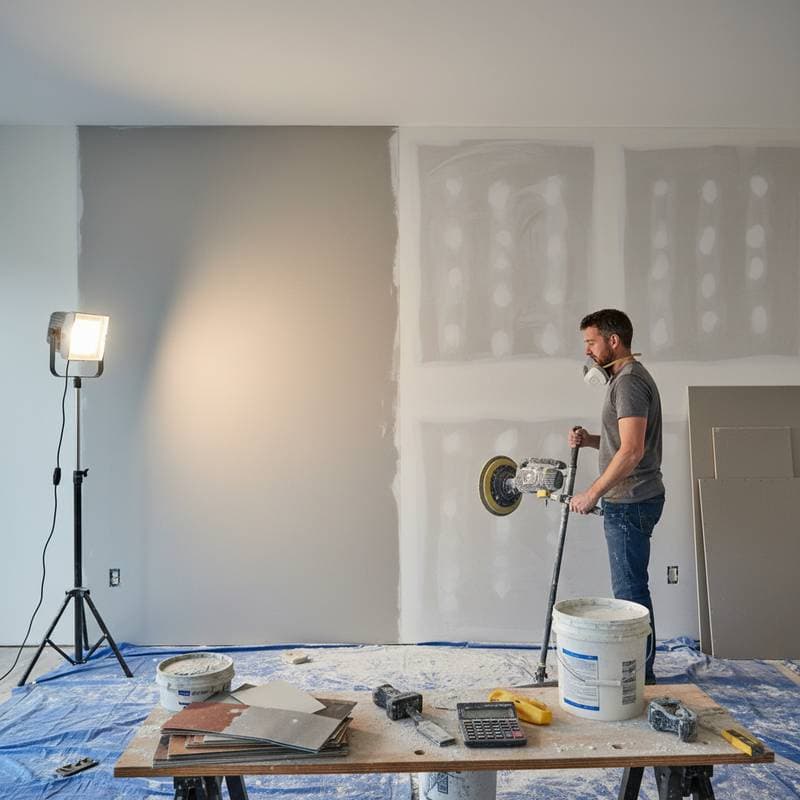
Effective preparation minimizes disruptions and optimizes sanding outcomes. Begin by clearing the room of furniture, artwork, and personal items to create unobstructed access. Cover floors, outlets, and trim with drop cloths or plastic sheeting secured by painter's tape to contain dust. Remove or tape switch plates and fixtures, and ventilate the space by opening windows or using fans to direct airflow outward. If ceilings require attention, position sturdy ladders or scaffolding for safe reach. These steps not only facilitate efficient work but also protect your belongings from fine particles that settle during sanding. For multi-room projects, prioritize one area at a time to maintain household functionality.
Frequently Asked Questions
How Much Can Drywall Sanding Mistakes Really Cost?
Minor adjustments may incur only $100 to $200, yet over-sanding that compromises the drywall paper demands full skim coating and repainting, escalating to $800 or beyond. Expenses vary based on room dimensions, discarded materials, and required labor hours.
How Long Should Proper Drywall Sanding Take?
Sanding and subsequent touch-ups for a standard room demand one to two days, plus priming time. Accelerating this phase frequently introduces flaws that prolong corrective efforts.
Should I Attempt Drywall Sanding Myself?
Experienced individuals can manage small patches or isolated seams. Professionals handle full rooms or ceilings to guarantee consistent texture and avert expensive missteps.
What Should I Ask Before Hiring a Drywall Contractor?
Probe their experience level, dust mitigation tools, inspection protocols, and warranty provisions. Reputable contractors articulate their sanding progression and methods for confirming surface smoothness prior to painting.
Why Do Wall Imperfections Appear After Painting?
Paint accentuates textural variances and sheen inconsistencies. Uneven sanding or omitted priming allows light to highlight ridges, scratches, or matte areas, all stemming from insufficient preparation.
How Can I Avoid Paying Extra for Drywall Corrections?
After initial sanding, inspect walls using intense side lighting and tactile checks along joints for irregularities. Resolving minor issues promptly averts substantial rework following primer or paint application.
Steps to Achieve a Flawless Paint Finish
To secure enduring results without unforeseen costs, integrate these practices into your project. Select sanding tools with variable speeds and appropriate grits, starting coarse for joint compound and progressing to fine for final smoothing. Maintain a 45-degree angle during strokes to prevent gouging, and pause frequently to clear dust from the surface. Employ a shop vacuum with a brush attachment for ongoing cleanup, reducing airborne particles. Post-sanding, wipe walls with a tack cloth to eliminate residue before priming. These techniques, combined with professional guidance when needed, deliver walls primed for professional-grade painting that withstands daily wear.