Prevent Over-Sanding Drywall to Avoid $500 in Repairs
Freshly painted walls that appear dull or uneven often trace back to preparation errors. One common issue that leads to significant expenses involves excessive sanding of drywall. This error removes protective elements and compromises the surface, yet it can be prevented through deliberate techniques and appropriate tools. The following sections outline the consequences and solutions to ensure professional results while controlling costs.
Consequences of Excessive Drywall Sanding
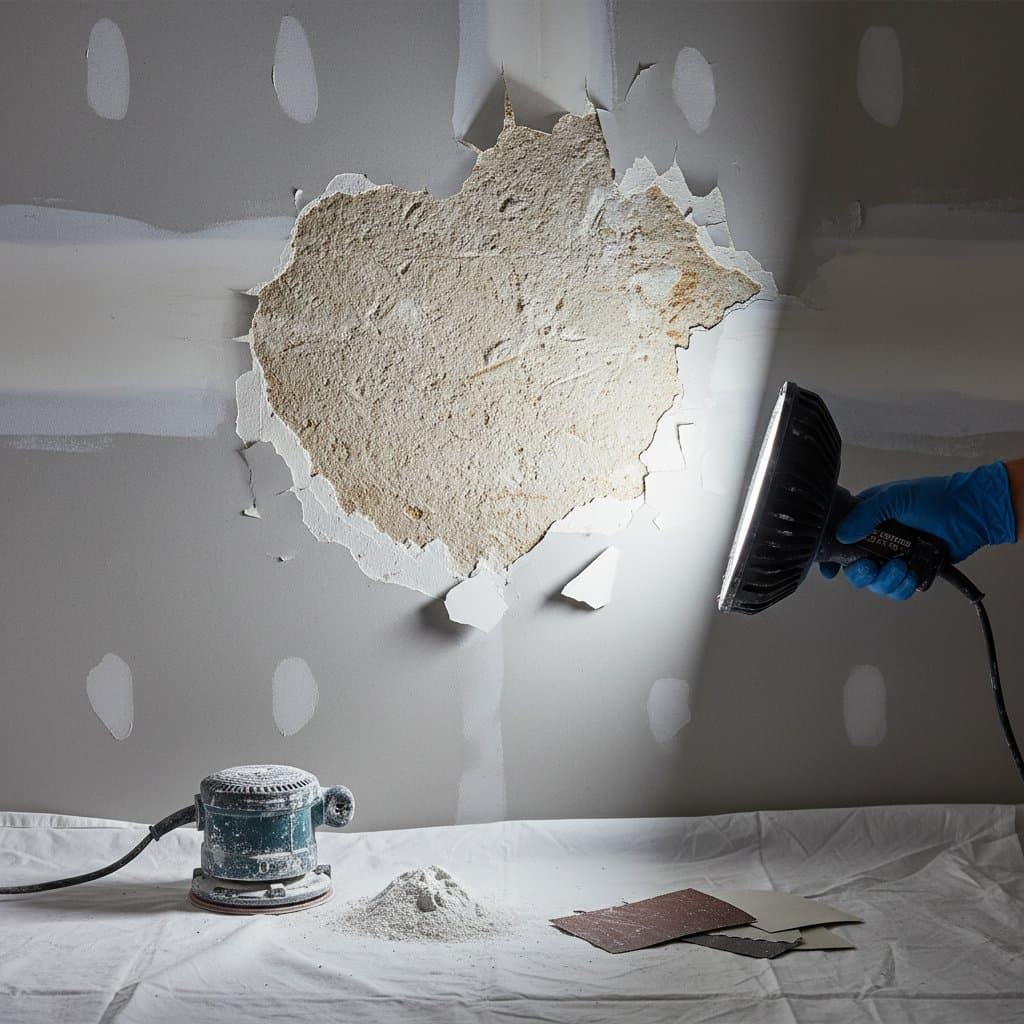
Excessive sanding does more than smooth the surface; it erodes the protective paper facing on the drywall. This exposure reveals the underlying gypsum core, which absorbs paint and primer inconsistently. As a result, walls develop glossy or matte spots that become evident under normal lighting conditions. Remediation requires additional skim coating, priming, and sanding, often totaling $500 or more for modest areas.
Such damage occurs rapidly during efforts to eliminate minor ridges or seams. Professionals encounter this in residential, commercial, and production environments where haste prevails. However, achieving a seamless finish remains possible without incurring unnecessary expenses.
Effective Sanding Techniques to Minimize Damage
Professionals recommend sanding until the surface feels level by touch, rather than pursuing an overly polished appearance. This approach preserves the paper layer while ensuring paint adheres properly. Rely on tactile feedback over visual inspection, supplemented by adequate lighting.
Select a fine-grit sanding sponge for the process, avoiding coarse materials or aggressive power tools. A 220-grit option proves ideal for final smoothing, as it blends joints without excessive material removal. For larger surfaces, employ a pole sander equipped with a vacuum attachment to manage dust effectively. This setup promotes cleaner subsequent painting stages.
Sanding Strategies Across Budget Ranges
Smooth walls remain achievable regardless of financial constraints. The strategies below adapt to varying investment levels.
Basic Approach for Minimal Expenditure:
Acquire a sanding sponge, a portable shop light, and a dry cloth. Process the wall in manageable sections, identifying elevations by hand and removing dust promptly. Patience yields results comparable to expert applications when applied methodically.
- Identify high spots through touch.
- Sand lightly in circular motions.
- Wipe residue after each pass.
Moderate Investment for Enhanced Efficiency:
Purchase a hand sander with a dust collection bag or vacuum connection. Pair it with a specialized primer for drywall. This combination maintains uniformity, reduces over-sanding risks, and streamlines cleanup. The upgrade justifies the cost through time savings.
Advanced Setup for Professional or Large-Scale Projects:
Opt for a powered drywall sander featuring integrated dust extraction. This tool suits extensive renovations where velocity counts. Maintain light pressure to allow the device to operate smoothly; excessive force leads to errors regardless of equipment quality.
Inspection Methods Before Priming
Evaluate preparation prior to applying primer to catch issues early. A technique from professional settings involves illuminating the wall with sidelight at a shallow angle. This reveals irregularities such as exposed fibers or uneven areas. If defects appear, apply a thin layer of joint compound, allow it to dry, and sand lightly with 220-grit material. Uniformity under the light confirms readiness for priming.
Another reliable check uses a clean, lightly moistened cloth passed over the surface. Snagging or white residue indicates over-sanding or residual dust. Address these by additional wiping or priming with a drywall-specific sealer.
Impact of Over-Sanding on Paint Application
Paint requires a stable substrate for optimal adhesion. Over-sanded regions form vulnerable areas that lead to blotchy or streaked finishes, even with high-quality products. Affected zones often appear darker after drying, necessitating multiple additional coats. These factors contribute to the $500 expense through increased material use, labor, and potential rework.
Appropriate sanding ensures a consistent base, allowing primer and paint to bond uniformly. This efficiency reduces consumption of supplies, shortens project timelines, and delivers a professional sheen. Thoughtful preparation consistently offsets its effort.
Essential Practices for Consistent Results
Incorporate these routines into every drywall finishing task, whether for minor updates or comprehensive overhauls:
- Outline joints with a marker prior to sanding to target efforts precisely.
- Position lighting dynamically to assess progress from multiple perspectives.
- Vacuum thoroughly after each sanding phase to eliminate dust that obscures defects and impairs adhesion.
- Apply primer and re-inspect to uncover any overlooked inconsistencies.
- Exercise restraint; drywall work favors methodical care over forceful action.
These practices elevate standard procedures to expert standards with minimal complexity.
Engaging Professional Assistance When Needed
Damaged walls displaying torn paper or irregular textures require prompt attention. A skilled painter can apply skim coats and a dedicated drywall sealer to restore integrity. This intervention typically resolves issues swiftly and at a fraction of replacement costs.
Maximizing the Value of Prepared Surfaces
With walls smoothed and painted, consider how this foundation enhances subsequent design elements. Flat, even planes provide an ideal backdrop for artwork, shelving, or curated displays, lending polish to the overall space. Awareness and measured techniques, rather than costly equipment, drive superior outcomes. This process not only conserves resources but also fosters skill development and assurance in future endeavors.