Limewash vs. Clay Paint: Eco-Textured Finishes for Timeless Interiors
Homeowners seeking natural wall treatments that combine aesthetic appeal, environmental responsibility, and distinctive texture frequently evaluate limewash and clay paint. These mineral-based options deliver depth and character absent in conventional paints, while promoting healthier indoor environments through breathability. Selecting between them requires consideration of longevity, application demands, and alignment with specific design visions.
This comprehensive guide examines their compositions, performance attributes, and practical implementation. Readers will emerge equipped to decide on the finish that best supports long-term beauty and functionality in their spaces.
Key Differences in Composition and Performance
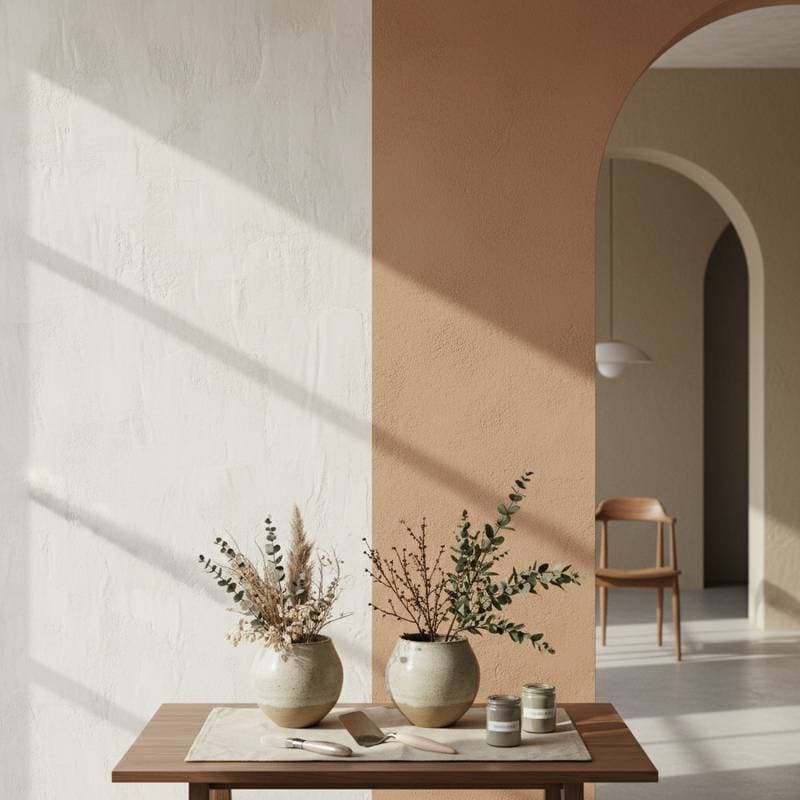
Limewash derives from slaked lime, water, and natural pigments, forming a mineral coating that bonds chemically with porous substrates like plaster or brick. This process, known as carbonation, allows limewash to harden over time, contributing to its renowned durability; historic structures demonstrate finishes enduring centuries with minimal intervention. However, limewash demands meticulous application to prevent streaking, and it excels in humid climates due to its moisture-regulating properties.
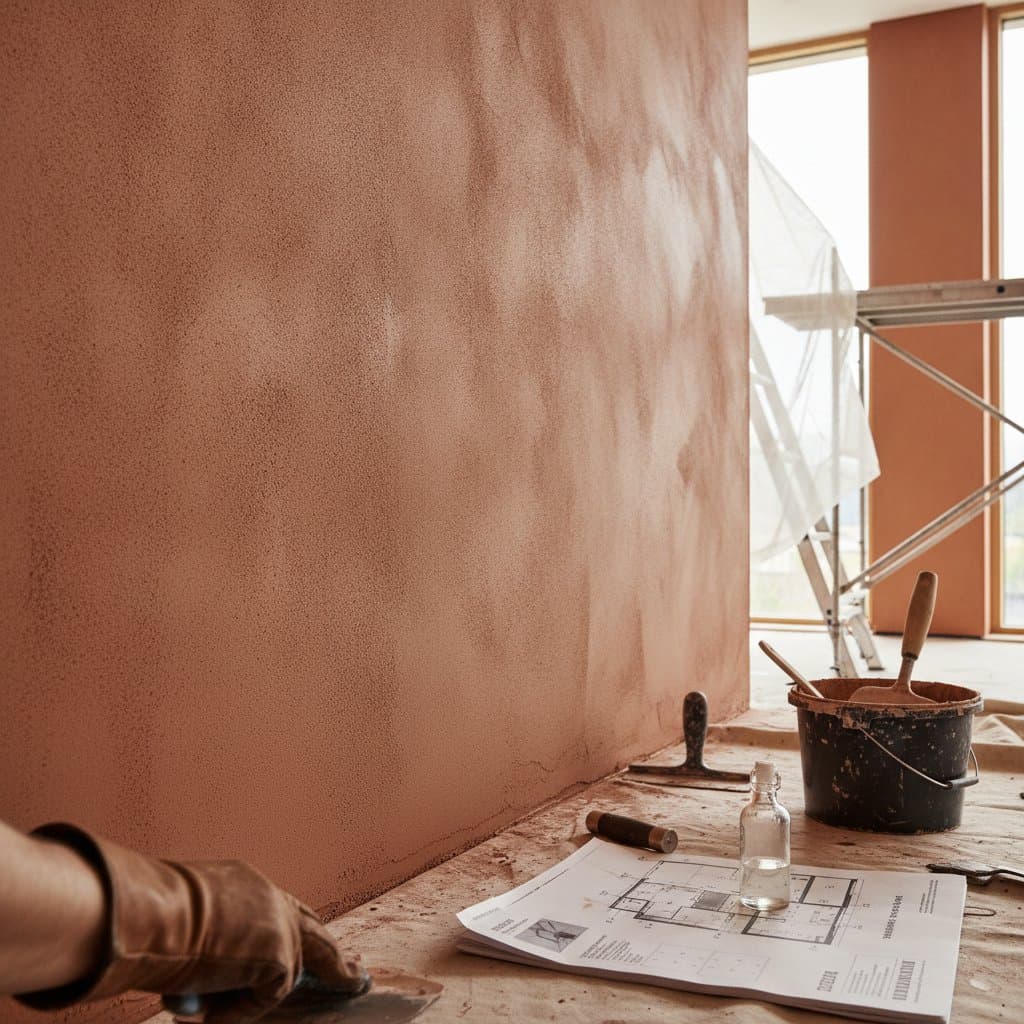
Clay paint, composed of clay, fillers such as marble dust, and plant-based binders, creates a matte, velvety surface with subtle texture. It dries quickly and adheres well to drywall or primed surfaces, but lacks the self-healing qualities of limewash, potentially requiring touch-ups after five to ten years depending on exposure. Clay paint offers greater color versatility and easier correction during application, making it suitable for modern interiors where flexibility matters.
In terms of longevity, limewash generally outlasts clay paint on compatible surfaces, resisting fading and cracking for 20 years or more indoors. Clay paint provides solid performance for a decade but may show wear in high-traffic areas sooner. Both enhance indoor air quality by avoiding volatile organic compounds, though limewash edges ahead in mold resistance.
Project Cost Breakdown
Average Cost Ranges
-
Basic limewash application: $2.50 to $4.50 per square foot
-
Standard limewash with color tinting: $5.00 to $7.00 per square foot
-
Premium multi-layer limewash: $8.00 to $12.00 per square foot
-
Basic clay paint application: $3.00 to $5.00 per square foot
-
Standard clay paint with texture additives: $5.50 to $7.50 per square foot
-
Premium custom clay finish: $8.00 to $10.00 per square foot
What Is Included
- Surface cleaning and preparation
- Primer or bonding coat if required
- Two to three finish coats
- Cleanup and protective sealing where applicable
What Costs Extra
- Repairs to damaged plaster or masonry before painting
- Specialty pigments or custom color matching
- Scaffolding or tall-wall access
- Protective finishes for high-moisture areas
Factors That Affect Final Cost
| Factor | Cost Impact | Examples |
|---|---|---|
| Surface condition | Increases with damage | Cracked plaster, unsealed brick |
| Color depth | Adds pigment cost | Deep earth tones or custom blends |
| Application method | Adds labor time | Brushed texture versus sprayed coat |
| Regional labor rates | Varies by location | Urban markets often higher |
| Protective coating | Raises material cost | Natural wax or lime sealant |
Timeline Expectations
Application timelines for these finishes vary based on material properties and project scale. Limewash necessitates multiple thin layers, with each coat requiring four to six hours of drying time before the next application. A complete room project, including preparation and cleanup, typically spans two to four days.
Clay paint applies in fewer coats and dries within one to two hours per layer, allowing most interior spaces to finish in one to two days. Curing periods differ as well: limewash carbonates and strengthens over two to four weeks, whereas clay paint reaches full stability in three to seven days. During these phases, refrain from cleaning or contacting the surfaces to maintain optimal texture and adhesion.
Professional Installation Versus DIY Approaches
Both limewash and clay paint attract DIY interest due to their natural composition, but success hinges on technique and surface compatibility.
When to Hire a Professional
- Large-scale or multi-room endeavors
- Surfaces with irregularities or historical significance needing restoration
- Projects involving custom color development or layered effects
- Exterior applications subject to elemental exposure
Experienced applicators master absorption dynamics, curing nuances, and texture control, while handling the inherent dustiness of these materials effectively.
When DIY Can Succeed
- Small-scale features like accent walls or test panels
- Even, prepped interior surfaces
- Individuals adept at brushwork and residue management
Prioritize thorough preparation and sample testing to sidestep issues. Uneven limewash application risks patchy results, and excessive clay paint thickness can lead to flaking.
Selecting and Preparing with a Contractor
Choosing a contractor versed in natural finishes guarantees results that endure and satisfy. Prioritize specialists in mineral coatings over those focused on synthetic products.
Research and Verification Steps
- Verify licensing and insurance coverage
- Review photographs of prior work on plaster or masonry substrates
- Obtain detailed written estimates specifying materials and coat counts
Communication and Expectation Setting
- Examine sample boards prior to full-scale work
- Address potential color variations post-drying, as pigments lighten upon curing
- Establish protocols for site protection and debris removal
Pre-Application Preparations
- Vacate the area and detach fixtures from walls
- Shield floors using permeable drop cloths
- Provide adequate airflow to support drying and carbonation processes
Monitoring During and After Work
- Evaluate each coat for uniform coverage
- Permit complete drying intervals between applications
- Post-curing, employ gentle, pH-neutral cleaners for ongoing care
Planning Your Eco-Finish Project
Effective planning transforms a vision into a seamless execution. Begin by assessing your space: measure square footage, note surface types, and evaluate lighting to predict finish appearance.
Next, compare finishes against your priorities—opt for limewash if longevity on masonry tops your list, or clay paint for quicker, versatile indoor updates. Develop a budget incorporating 10 to 20 percent contingency for unforeseen repairs. Schedule during mild weather to optimize drying, and source materials from reputable suppliers emphasizing sustainability certifications.
Consult mood boards or professional renderings to visualize outcomes. This structured approach minimizes disruptions and maximizes the transformative impact of your chosen finish, yielding walls that breathe life into your home for years ahead.
Frequently Asked Questions
What Factors Influence the Cost of Limewash or Clay Paint?
Expenses hinge on substrate readiness, hue choices, and labor duration. Porous or flawed walls consume additional product, elevating totals. Bespoke pigments and intricate techniques further increment costs. Applicators typically bill per square foot, with limewash incurring modestly higher fees owing to extended prep and layering.
How Long Does a Typical Application Take from Start to Finish?
Clay paint treatments for a standard room conclude in one to two days. Limewash initiatives may prolong to four days, influenced by ambient conditions and layer quantity. Each finish mandates subsequent curing before routine use or cleaning.
Should You Attempt Limewash or Clay Paint as a DIY Project?
Small interior segments with uniform substrates suit DIY efforts. Expansive undertakings or those featuring masonry demand expert involvement. Limewash particularly requires exacting layering for consistent pigmentation, while clay paint tolerates minor errors yet insists on precise formulation.
How Do You Find a Qualified Contractor for Natural Finishes?
Target applicators proficient in mineral treatments. Solicit references from comparable installations. Scrutinize portfolios for texture details. Ensure use of vapor-permeable primers and environmentally sound sealants suited to lime or clay bases.
What Maintenance Do These Finishes Require?
Tender handling preserves both options. Steer clear of abrasive or acidic agents. Limewash outdoors may necessitate intermittent renewals as exposure erodes it. Dust clay paint surfaces softly via brushing or suction. Sound initial application fosters longevity spanning decades.
Are Limewash and Clay Paint Safe for Indoor Air Quality?
Affirmative; these rank among the most benign coatings. Devoid of artificial adhesives, they release no harmful vapors and modulate moisture levels organically. Their permeability curtails mold proliferation, rendering them preferable for sleeping quarters, communal areas, and vintage residences.
Achieving Enduring Beauty with Eco Finishes
Integrating limewash or clay paint elevates interiors with organic elegance and resilience. These choices not only align with sustainable living but also foster spaces that evolve gracefully over time. Proceed with informed steps to secure a finish that endures, enhancing comfort and value indefinitely.