2026 Paint Trends: Mocha Mousse Meets Terracotta
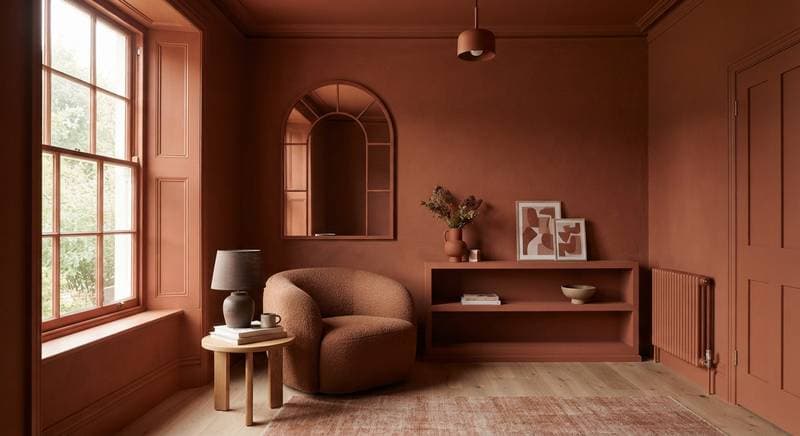
Mocha Mousse and terracotta bring warmth, depth, and an earthy quality to interior paint palettes. Together, they can create rooms that feel grounded without becoming dark or overly rustic. Mocha Mousse is a soft, brown shade with muted warmth, while terracotta ranges from dusty clay to a richer, red-orange tone. Pairing them thoughtfully makes it easier to add color while keeping a home comfortable and inviting.
For a professional interior paint project, homeowners can expect to spend about $2 to $6 per square foot of painted surface, including paint and labor. A single accent wall may cost $250 to $800, while painting a typical bedroom can run $700 to $1,800. Preparation, ceiling height, wall condition, paint quality, and local labor rates all affect the final quote. These ranges are planning estimates, not a substitute for an on-site assessment.
Why These Colors Work Together
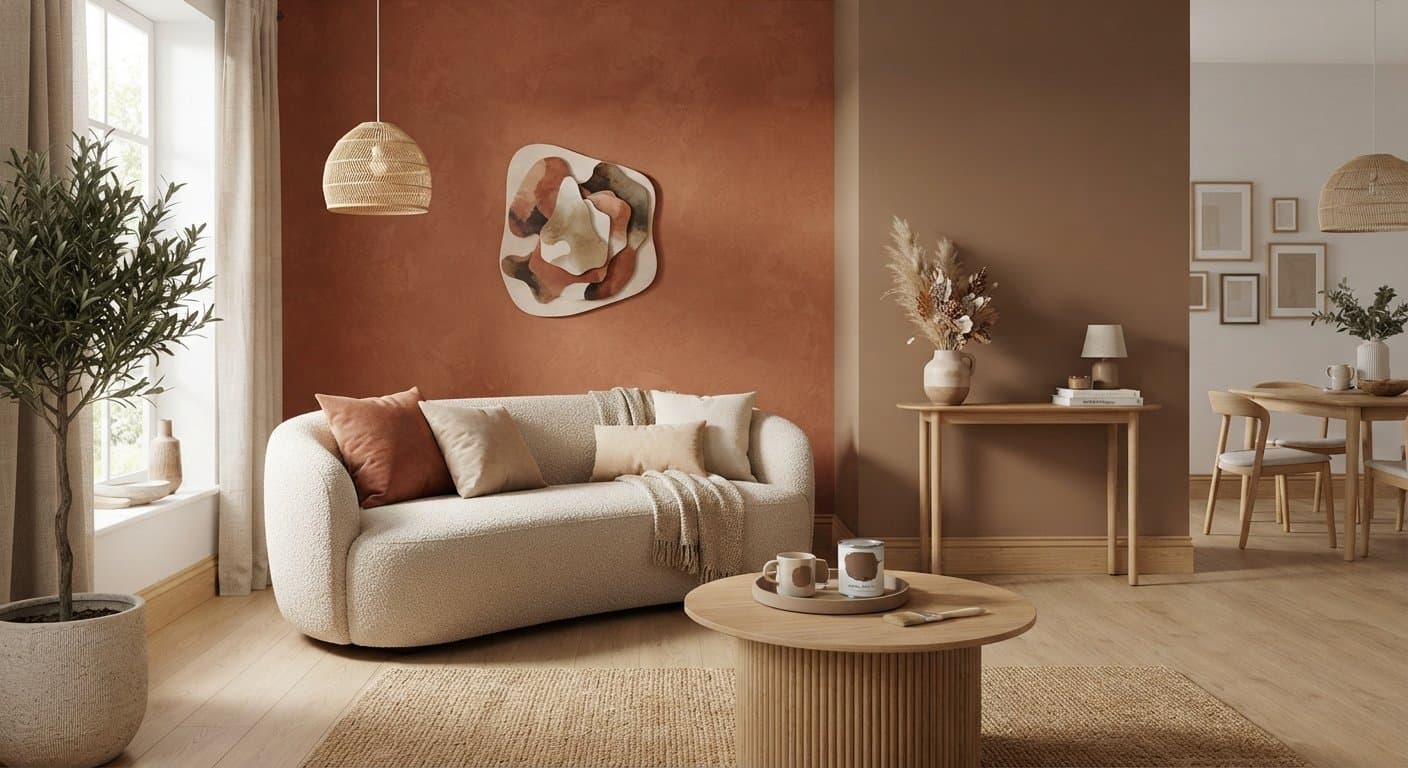
Mocha Mousse offers a flexible neutral backdrop. It pairs with creamy white trim, natural wood, soft beige, and muted green. Terracotta adds a livelier note, giving the palette contrast and character. The shades can be used in either order: terracotta on an accent wall with mocha on nearby walls, or mocha throughout with terracotta in a smaller space or architectural feature.
Light and room orientation matter. Terracotta can look brighter and more orange in strong afternoon sun, while a north-facing room may make mocha appear cooler or deeper. Test large paint samples on multiple walls, and view them in morning and evening light before committing. A small sample pot usually costs $15 to $35, a modest expense compared with repainting a full room.
Typical Painting Costs by Project Size
The table below covers professional interior painting with standard wall preparation and two coats. It assumes accessible rooms with no major repairs. Trim, ceilings, extensive patching, and specialty finishes can increase costs.
| Project | Typical range | Common scope |
|---|---|---|
| Accent wall | $250 to $800 | One wall, basic cleaning and minor patching |
| Small bedroom | $700 to $1,300 | Walls in a room of about 10 by 10 feet |
| Medium living room | $1,000 to $2,200 | Walls in a room of about 15 by 20 feet |
| Open-plan area | $2,000 to $5,000 or more | Multiple connected walls and higher surface area |
A painter may price work by room, wall area, or labor hours. Wall-surface pricing commonly falls around $1.50 to $4 per square foot for labor, with materials charged separately or included in the quote. Ask which method the estimate uses and whether it includes primer, cleanup, and moving or covering furniture.
Paint and Labor Breakdown
For a standard bedroom, paint and supplies may total $150 to $400, while labor often ranges from $500 to $1,200. Primer may add $25 to $80 per room, depending on surface area and product. Repairs, trim work, and furniture handling are usually separate line items or reflected in the total.
Mocha Mousse and terracotta are both deeper than many off-white neutrals. A dramatic color change may call for tinted primer or an extra coat. Each added coat can increase labor and material costs, especially in rooms with textured walls or large surfaces.
What Affects the Final Price?
Room size and layout affect cost. Larger walls require more paint and time. Many corners, alcoves, built-ins, and stairwells slow the work because they need careful cutting in and protection. A simple rectangular bedroom generally costs less to paint than an open-plan room with several connected spaces.
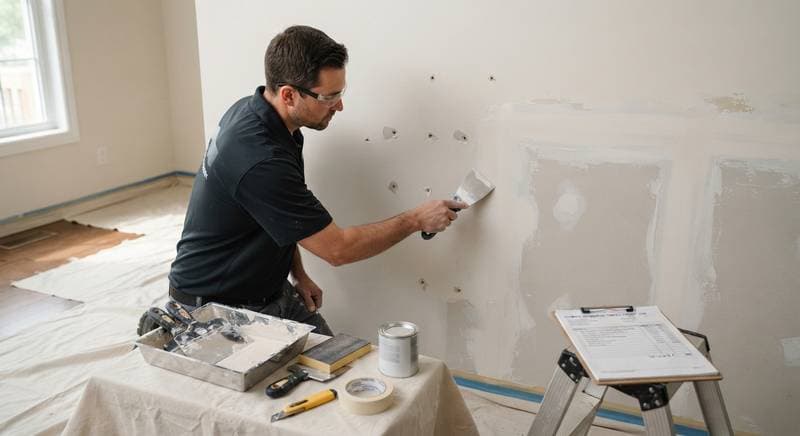
Wall condition also matters. Small nail holes and light scuffs may be included in basic preparation. Cracks, water stains, peeling paint, and damaged drywall require additional work. Repairs can add $100 to $600 or more, depending on the extent of damage. Water problems should be corrected before painting, or stains and peeling may return.
Surface preparation includes cleaning, sanding, caulking, patching, and priming to help paint adhere evenly. Skipping these steps can lead to visible marks or early failure. Ask contractors to describe their preparation work rather than accepting a quote that simply says prep included.
Paint quality and finish influence long-term results. Better-quality paint often covers more evenly and withstands cleaning, which can reduce the need for frequent repainting. Matte finishes soften wall imperfections, while eggshell and satin are easier to wipe clean. Satin can reveal uneven surfaces under direct light, so proper preparation matters.
Color placement affects both cost and impact. A single terracotta accent wall uses less paint than applying the shade throughout a room. Yet accent walls can still require careful edge work and extra coats if the previous color is strong. A designer or painter may charge for color consultation, commonly $75 to $300, although some contractors include basic guidance with the estimate.
Location and timing influence pricing. Labor rates and material availability differ by region. Busy renovation periods may limit contractor availability and affect scheduling. Request several local estimates, and confirm that each covers the same rooms, coats, preparation, and materials.
Choosing a Finish and Balance
Use Mocha Mousse across all walls when you want a calm, enveloping effect. Pair it with warm white trim to keep the room from feeling heavy. Terracotta works well on a dining room wall, a small entry, or a niche that benefits from a little visual emphasis. In a compact room, painting all walls terracotta may feel intense, so test the shade first and consider a muted, clay-based version.
A balanced room does not need equal amounts of both colors. Try a simple proportion: mocha for the main walls, terracotta for one feature, and a light neutral for trim, ceilings, or textiles. Wood furniture, woven materials, and understated metal finishes can reinforce the palette without adding more strong paint colors.
Professional Painting or DIY?
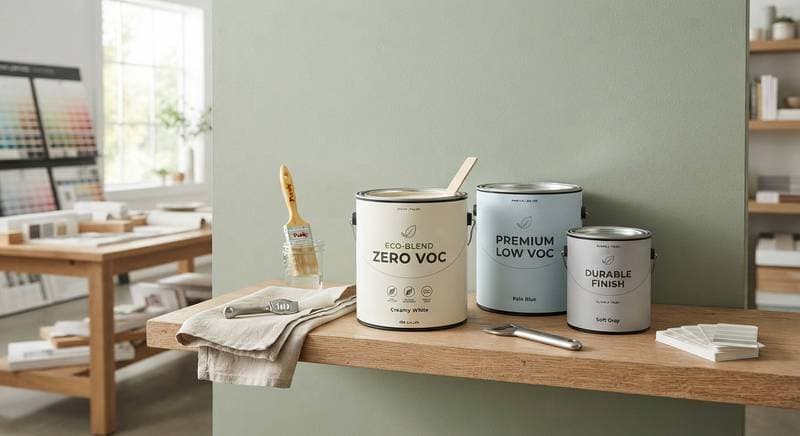
DIY painting can reduce labor costs, but homeowners still need brushes, rollers, drop cloths, tape, ladders, patching compound, and possibly a sander. Supplies for one room can cost $100 to $300, not including paint. The work also takes time for preparation, coats, and drying.
A professional painter brings experience with surface repair, clean lines, and consistent coverage. Hiring a pro is especially useful for high ceilings, stairwells, extensive repairs, or a large color change. For DIY work, protect floors, wash dusty walls, use the right primer, and cut in carefully. Do not rush between coats, since following the paint label drying guidance helps prevent uneven results.
Budgeting and Saving Without Cutting Corners
Set a complete budget rather than planning for paint alone. Include repairs, primer, trim, furniture protection, and any disposal or access needs. Keep a 10 to 20 percent contingency for hidden wall damage or extra preparation. For a larger project, paint connected rooms in phases, but purchase enough paint from the same batch for each continuous area.
To manage costs, get at least three detailed estimates and compare the included work. Move small furniture and wall decor before the crew arrives, if the contractor permits it. Save premium paint for high-use rooms, and choose a durable standard finish where suitable. Ask whether the painter can use leftover product for closets or touch-ups. Avoid choosing a color from a tiny chip alone. Testing samples can prevent a costly repaint.
A thoughtful color update can refresh a home without a full renovation. Its value comes from both everyday enjoyment and a clean, well-maintained finish that supports broad buyer appeal. Keep strong colors focused, prepare surfaces carefully, and prioritize durable paint in rooms that see frequent use.
Frequently Asked Questions
1. How much does it cost to paint a room in Mocha Mousse or terracotta?
A typical bedroom costs about $700 to $1,800 for professional wall painting. Room size, repairs, paint quality, and the number of coats determine where the project falls within that range.
2. Do these shades need a special primer?
Not always. A painter may recommend primer for bare drywall, stains, patched areas, or a major color change. Tinted primer can help a deeper shade cover evenly, though the specific paint and existing wall color affect the choice.
3. How can I use both colors without making a room feel dark?
Use mocha as the main neutral, add terracotta to one wall or architectural detail, and keep ceilings and trim light. Test samples in the actual room before choosing final shades.
4. Is painting an accent wall a worthwhile DIY project?
It can be manageable for someone comfortable with patching, taping, and careful brushwork. DIY saves labor, but poor preparation or uneven edges can undermine the finish. Hire a professional for difficult access or damaged walls.
5. What costs are easy to overlook?
Common extras include drywall repair, stain-blocking primer, trim painting, furniture moving, and added coats. Confirm these items in the written estimate and reserve a contingency for concealed damage.
6. When should I schedule an interior painting project?
Choose a period when the rooms can be cleared and ventilated comfortably. Contractor demand can be higher during busy renovation seasons, so request estimates early and compare scheduling availability as well as price.