Why LRV Shapes Brighter Homes in 2025 Trends
Light Reflectance Value, or LRV, plays a pivotal role in modern home design. Homeowners seek ways to open up living spaces, foster calm atmospheres, and enhance invitation. This metric quantifies how paint colors interact with light, measuring the percentage reflected versus absorbed. Such insight influences energy use, mood, and overall room perception, empowering designers and residents to craft intentional interiors.
Understanding Light Reflectance Value
LRV ratings span from 0 to 100 for all colors. Values close to 0 indicate near-total light absorption, creating deep shadows. Ratings near 100, like pure white, bounce back almost all light for maximum illumination.
Interior paints typically range between these extremes. A color with an LRV in the 70s delivers ample reflection, yielding bright, expansive vibes. Midrange options around 50 strike a warm equilibrium. Lower values craft intimate, dramatic settings, though they demand strategic lighting to prevent dimness.
Why LRV Matters in Modern Homes
Light serves as a core design element today. Natural daylight influences daily moods, work efficiency, and how elements like furniture display. Paint choices dictate light distribution within a room.
High-LRV paints expand perceived space, promote cleanliness, and energize occupants. Lower-LRV shades foster closeness and stability, suiting restful areas such as bedrooms.
Beyond aesthetics, LRV boosts energy savings. Reflective interiors cut reliance on electric lights during daylight hours. For exteriors in hot regions, high-LRV surfaces deflect solar heat, aiding cooling efforts.
Project Cost Breakdown
Choosing paints for ideal LRV involves more than color selection; quality supplies and prep work drive outcomes. Costs vary by scope and materials, yet strategic picks yield long-term value.
Average Cost Ranges
- Basic interior repaint: $2,000 to $3,500
- Standard repaint with light$3,500 to $5,500
- Premium repaint with designer consultation: $5,500 to $8,000
What's Included
- Labor covering prep and application
- Primer plus two finish coats
- Basic patching and sanding
- Post-job cleanup and touch-ups
What Costs Extra
- Advanced reflective paints
- LRV-specific color consultations
- Custom finishes like matte or pearlescent
- Drywall or trim repairs prior to painting
Factors That Affect Final Cost
| Factor | Cost Impact | Examples |
|---|---|---|
| Paint brand and finish quality | Higher material costs | Low-VOC options with enhanced reflection |
| Wall condition | Moderate to high | Crack repairs or surface smoothing |
| Room size and ceiling height | Direct increase | Vaulted areas needing extra scaffolding |
| Lighting conditions | Indirect | On-site color testing under varied lights |
How LRV Influences Design Choices
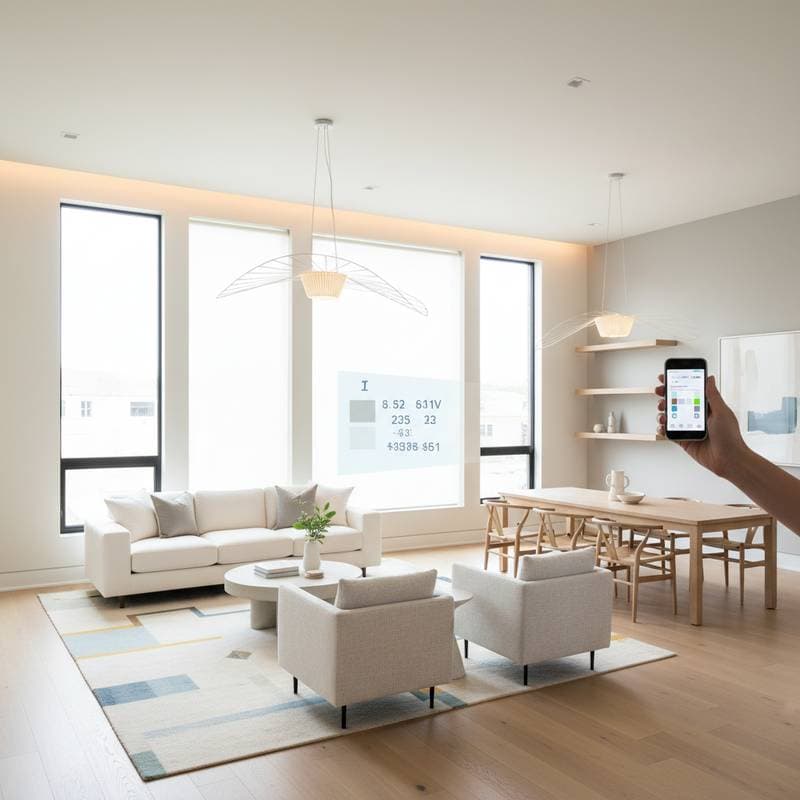
LRV alters color perception across daily light shifts. In light-scarce homes, high-LRV walls counteract shadows, amplifying openness. Sun-drenched rooms pair well with moderate LRV to curb harsh glare.
Professionals layer LRV levels for harmony. A kitchen might feature 70s neutrals for vibrancy, while a family room opts for 50s tones for comfort. This approach ensures purposeful, unified spaces.
Professional vs. DIY Painting Decisions
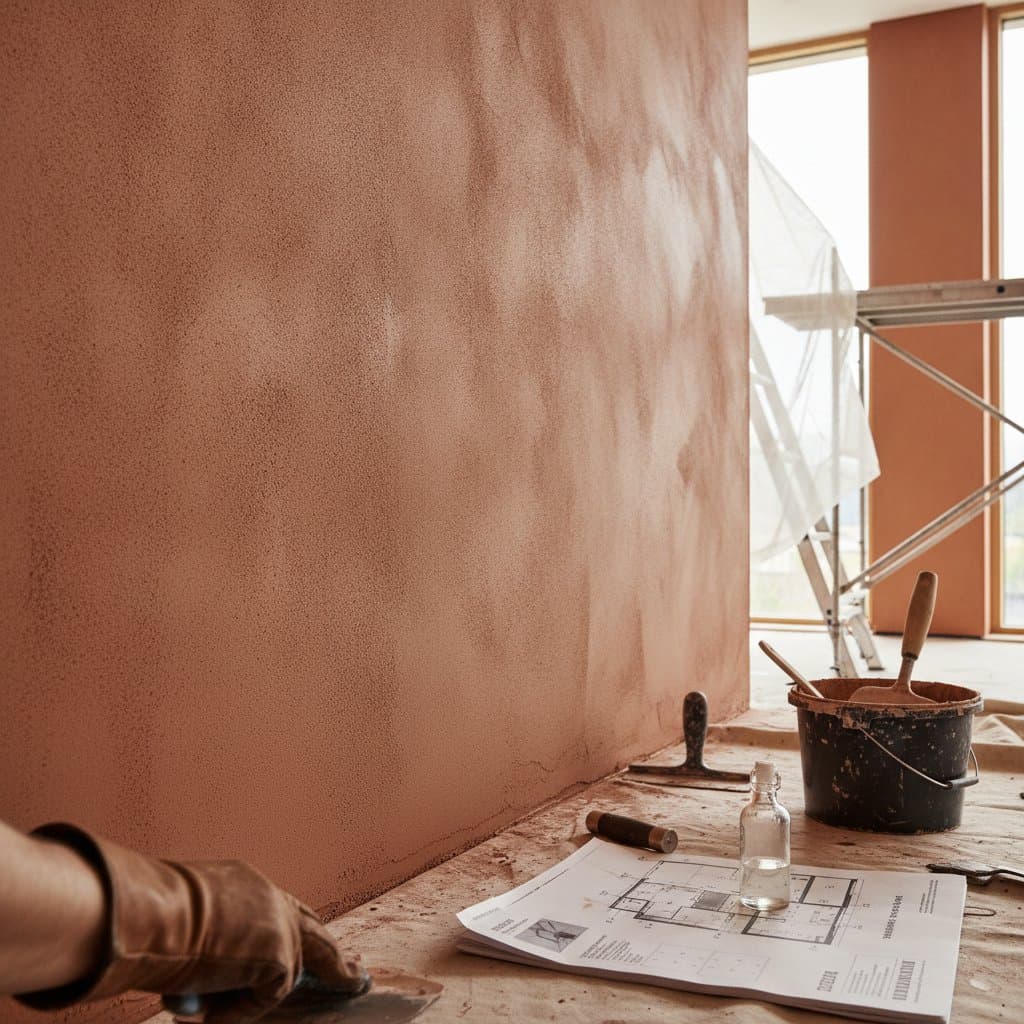
Uniform brightness demands precision beyond basic application. Experts account for light angles, textures, and primers to achieve desired effects. DIY suits minor tasks, but expansive work thrives under pro guidance.
When to Hire a Professional
- Multi-room or tall-ceiling jobs
- Areas needing seamless light integration
- Surfaces with heavy prep needs
- Applications of specialized durable paints
When DIY Makes Sense
- Compact spaces like bathrooms or closets
- Refreshing prepped, simple surfaces
- Sampling hues before full commitment
Preparing for an LRV-Focused Project
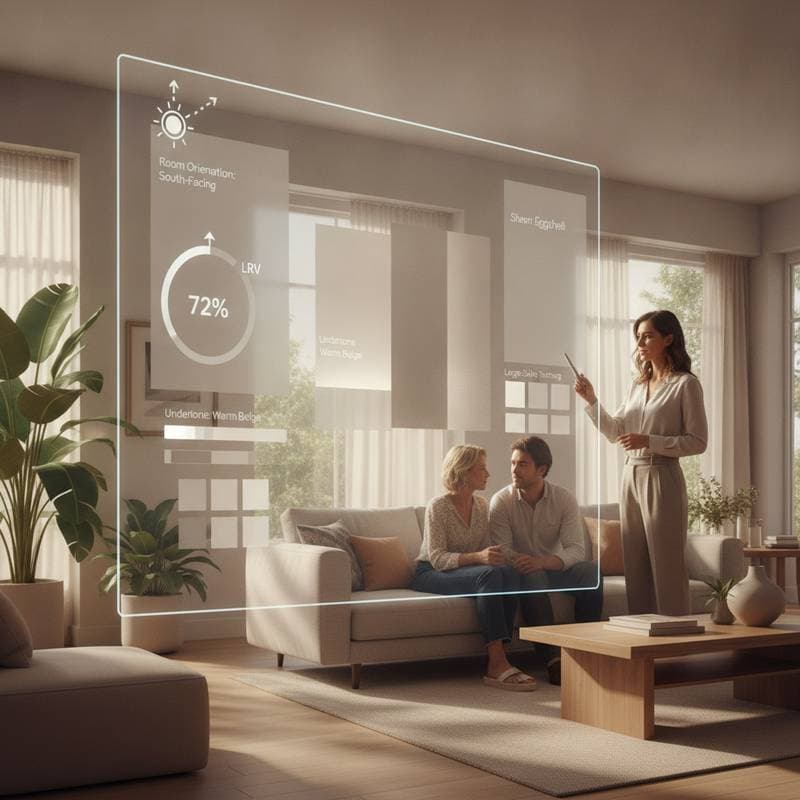
Assess room lighting first: note window directions, bulb warmth, and furniture interactions. Obtain LRV specs from manufacturers for accurate comparisons.
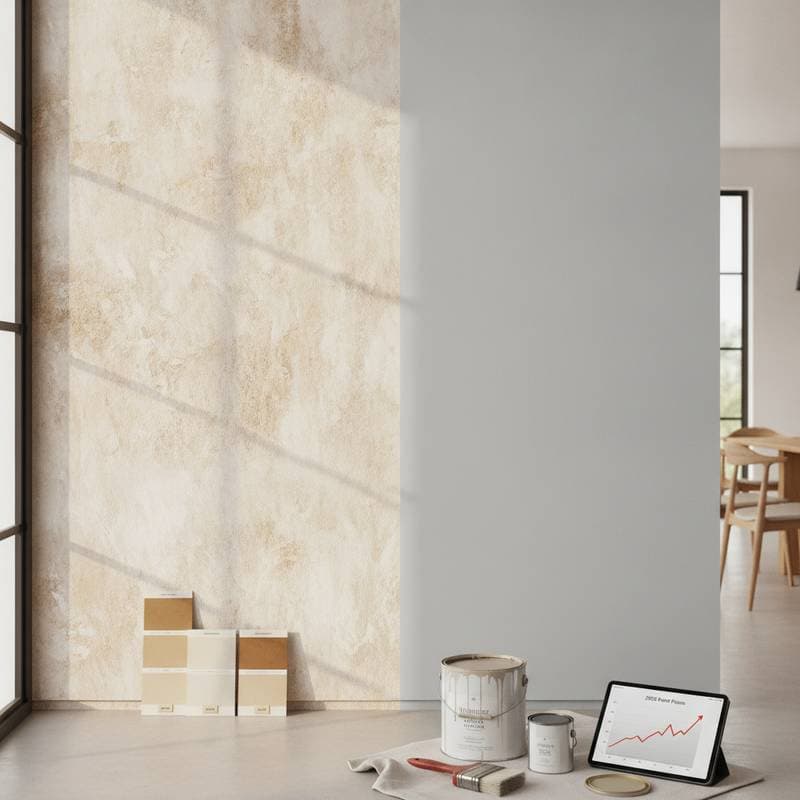
Apply samples to several walls to observe time-of-day changes. A minor LRV variance can redefine ambiance. Clean and prime thoroughly afterward; quality primers enhance even reflection and adhesion.
Working With Professional Painters
Seek painters versed in LRV-driven selections. They recommend shades that illuminate without overpowering details. Gather quotes detailing costs, supplies, and prep.
Maintain open dialogue on lighting goals, sheen types, and furnishing compatibility. Pros outline steps from prep to walkthrough, using climate-appropriate, fade-resistant paints.
Planning Your Project
Build palettes prioritizing LRV over mere hue. Deploy high values in dim or compact rooms for airiness. Midrange suits communal zones for equilibrium. Reserve low LRV for accents craving depth.
Document choices, including names, sheens, and LRV figures. This record supports seamless future maintenance and expansions.
Frequently Asked Questions
How does LRV affect paint cost?
LRV does not directly raise base prices, yet premium reflective formulas with superior pigments command modest upcharges for better longevity and light play.
How long does a full home repaint usually take?
Expect one to two weeks for pros, factoring in scale, repairs, and cure times. Complex multi-hue efforts extend prep and checks.
Can homeowners measure LRV on their own?
Manufacturers provide LRV on labels and datasheets. Compare these for light impact insights. Experts offer in-situ assessments for tailored accuracy.
Should I hire a contractor or a handyman for painting?
Opt for licensed contractors on major or intricate tasks. Handymen fit quick fixes or solo rooms. Check credentials and coverage always.
What should I expect during the painting process?
Anticipate cleaning, repairs, and priming before coats go on. Two layers ensure uniformity, followed by scrutiny and tidying. Clear furnishings and shield items upfront.
What are common issues to watch for after painting?
Monitor for sheen mismatches, texture lines, or light-shifting colors from poor blending or prep. Promptly notify pros for corrections under warranty.