Is the $1,800 Upcharge Worth a Level 5 Drywall Finish?
Homeowners often examine a newly painted wall and detect subtle unevenness. This issue frequently stems from the drywall finish level. While Level 4 serves as the standard for most residences, it reveals imperfections under direct or bright lighting. A Level 5 drywall finish addresses these concerns through an additional skim coat, but the associated $1,800 upcharge prompts a key question: does this upgrade justify the cost? This article explores the benefits, applications, and value of investing in Level 5 finishing.
Understanding a Level 5 Drywall Finish
Drywall finishing levels range from 0 to 5, with each level building on the previous one in terms of smoothness and preparation. Level 4 involves applying tape to joints, filling with joint compound, and sanding to create a serviceable surface suitable for typical residential use. This level performs adequately under diffused lighting or with textured paints.
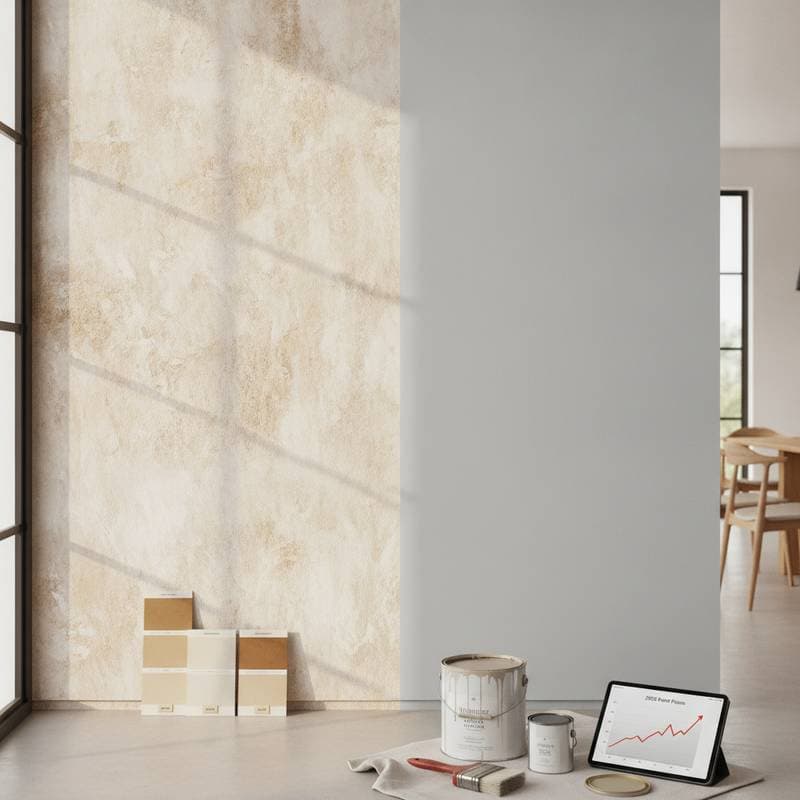
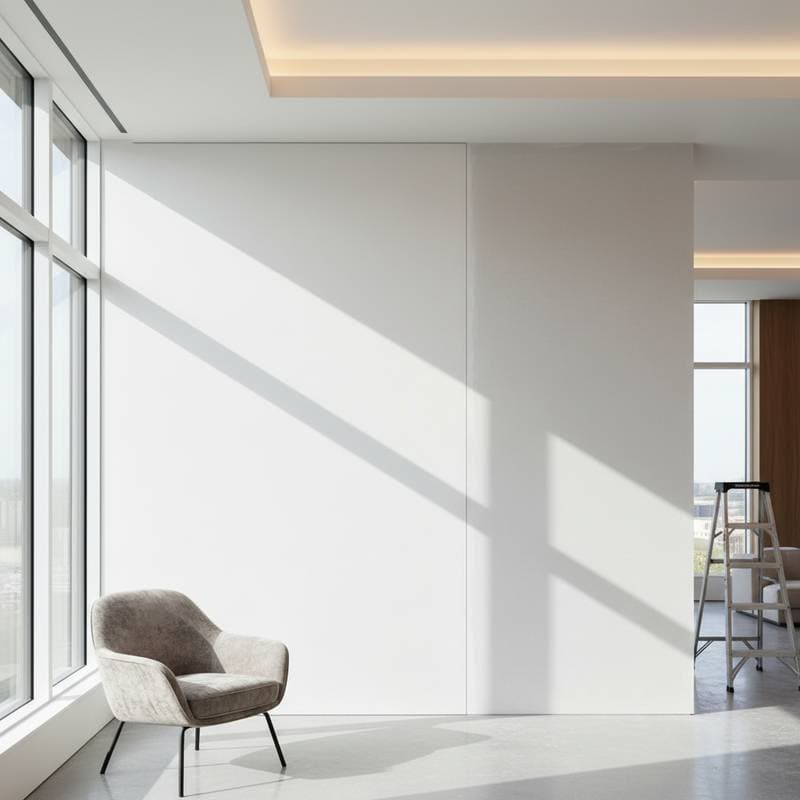
Level 5 elevates the process by incorporating a full skim coat of joint compound over the entire wall surface. This thin layer fills microscopic pores, seals the substrate, and produces an exceptionally smooth base for painting. The result appears seamless under scrutiny from various angles, particularly in environments with intense natural or artificial light. Professionals recommend Level 5 for settings such as luxury residences, art galleries, and upscale commercial interiors where visual perfection enhances the overall aesthetic.
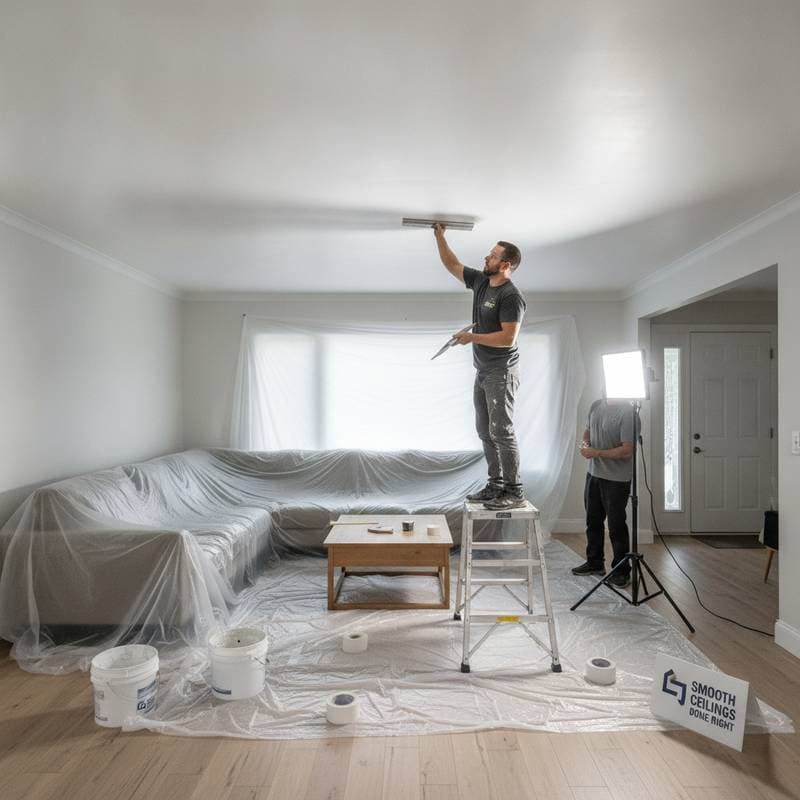
To achieve this finish, contractors apply the skim coat after completing Level 4 work, allow it to dry, and then sand meticulously. This method ensures the wall reflects light uniformly, minimizing shadows from seams or imperfections. Homeowners benefit from a durable surface that resists showing wear over time.
Factors Driving the Cost Increase
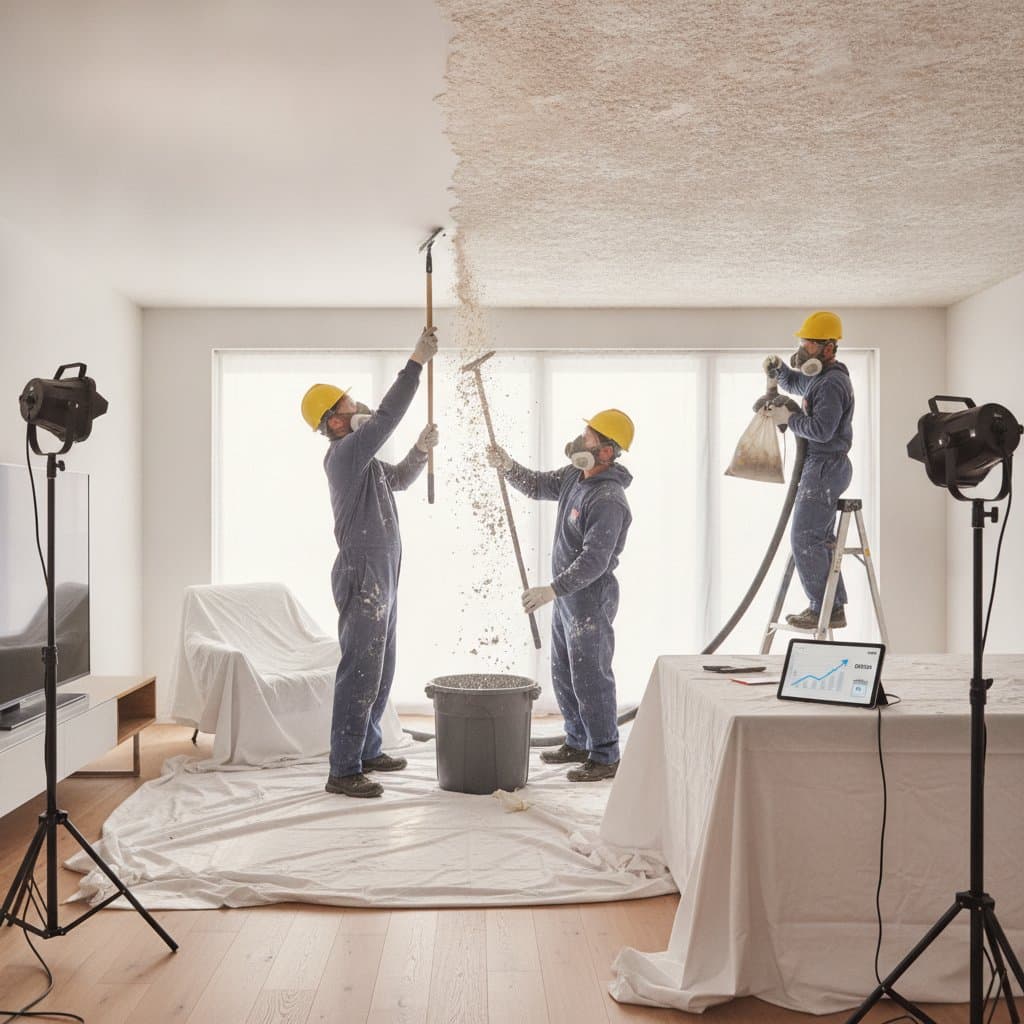
The $1,800 premium reflects the demanding nature of Level 5 application. Unlike basic finishing, this process requires multiple thin coats, extended drying periods, and precise sanding to eliminate all visible and tactile flaws. Skilled laborers invest significant time—often several additional days per room—using specialized tools like wide trowels and fine-grit sandpaper.
Labor costs dominate the upcharge, as the work demands expertise to avoid common pitfalls such as uneven application or pockmarks. Materials contribute minimally, primarily through extra joint compound and sandpaper. In high-end projects, this investment yields walls that withstand photographic or video scrutiny without digital editing, a critical advantage for real estate staging or media production.
Contractors price Level 5 based on square footage, typically adding $1 to $2 per square foot beyond Level 4 rates. For a standard 2,000-square-foot home, this translates to the $1,800 figure. Homeowners gain long-term value through reduced need for future repairs and enhanced property appeal.
Scenarios Where Level 5 Delivers Maximum Benefit
Not every space requires a Level 5 finish; strategic application maximizes return on investment. Focus on areas where lighting and surface visibility amplify the upgrade's impact.
Ideal locations for Level 5:
- Living rooms or kitchens with expansive windows or skylights that introduce direct sunlight
- Long hallways illuminated by recessed or track lighting
- Vaulted ceilings where downward light highlights surface irregularities
- Contemporary designs featuring flat or eggshell paint sheens
Areas where Level 4 suffices:
- Basements, laundry rooms, or storage spaces with minimal natural light
- Walls destined for heavy textures like orange peel or knockdown
- Bathrooms or kitchens using semi-gloss paints that naturally conceal minor flaws
By targeting high-visibility zones, homeowners achieve a balanced aesthetic without unnecessary expense. Consult with a contractor to map out a hybrid plan, applying Level 5 selectively to visible surfaces while maintaining Level 4 elsewhere.
Evaluating Value Across Budget Levels
Assessing the $1,800 upcharge involves aligning it with overall project finances and priorities. Consider these tiered approaches to integrate Level 5 effectively.
For modest or self-directed projects:
Adopt a targeted strategy by designating Level 5 for one or two key walls, such as a feature wall in the entryway. For hands-on involvement, prepare a DIY skim coat on a test panel: mix joint compound to a creamy consistency, apply with a 12-inch trowel in overlapping strokes, and sand after 24 hours of drying. Always apply a high-quality primer afterward to verify even absorption before final painting.
For moderate investments:
Prioritize Level 5 in primary gathering spaces like dining areas and bedrooms, extending to ceilings for comprehensive smoothness. Pair this with a stain-blocking primer and low-VOC, scrubbable paint to enhance longevity. This configuration delivers professional results in guest-facing zones while conserving funds for other upgrades.
For premium renovations:
Implement Level 5 across all finished surfaces to create a cohesive, museum-quality interior. This approach suits open-concept layouts or homes marketed to discerning buyers. The uniform finish supports easier maintenance and increases resale value by approximately 1-2% through perceived luxury.
Verifying the Quality of a Level 5 Finish
To ensure the investment pays off, inspect the work methodically before painting proceeds. Glide your palm across the wall in natural daylight; the surface should feel uniformly velvety, free of ridges, tape edges, or depressions deeper than 1/32 inch.
Test light reflection by positioning a lamp at a low angle: the wall should exhibit consistent sheen without hot spots or shadowed lines. If inconsistencies appear, request the contractor to apply an additional skim coat or feather out imperfections with a sanding pole. Document these checks in writing to hold all parties accountable, preventing costly repaints later.
Professional standards, such as those from the Gypsum Association, define Level 5 as a surface ready for critical lighting without further preparation. Adhering to these benchmarks guarantees a finish that performs as intended.
Realizing the Everyday Advantages of Smooth Walls
After painting, the Level 5 finish reveals its practical rewards. Light distributes evenly, creating a serene ambiance that complements furniture and decor. Hanging pictures or shelves becomes straightforward, as the flat plane provides reliable anchor points.
Maintenance proves efficient: dust wipes away effortlessly, and minor scuffs blend seamlessly with touch-up paint. Over years, these walls require less frequent repainting, amortizing the initial cost. Ultimately, selecting the appropriate finish level harmonizes with your home's architecture, illumination patterns, and daily routines, fostering enduring satisfaction.