Is a Level 5 Drywall Finish Worth the $800 Premium?
Homeowners frequently debate the merits of investing in a Level 5 drywall finish, which typically increases the cost of an interior project by about $800. This premium stems from enhanced techniques that yield superior smoothness. Grasping the rationale behind the expense and its potential returns enables informed choices for any renovation.
What Level 5 Drywall Means
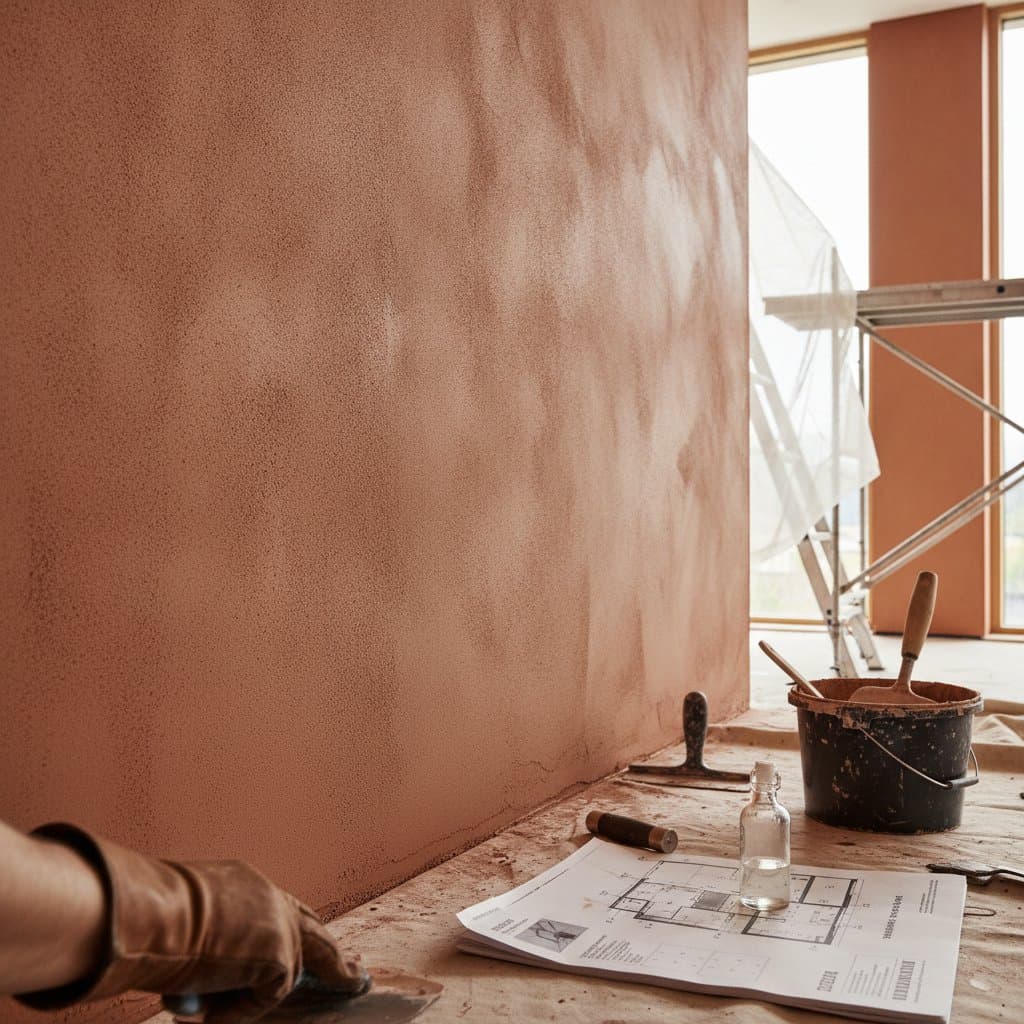
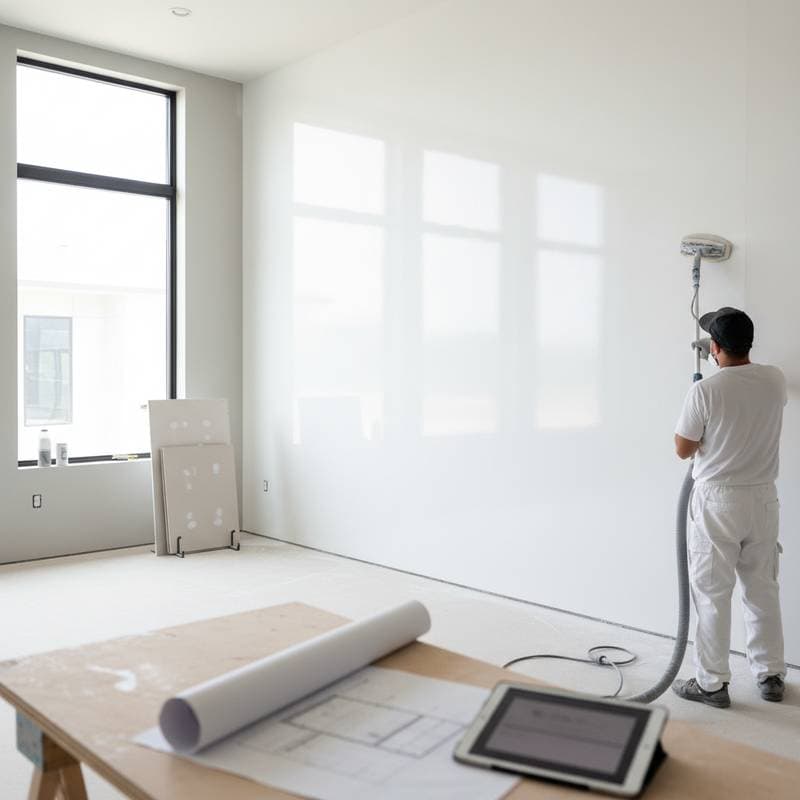
Drywall finishes range from Level 0, a basic installation, to Level 5, the highest standard. A Level 4 finish, standard in most residences, involves taping seams, applying multiple layers of joint compound, and sanding for a smooth look under normal illumination. Level 5 advances this by applying a thin skim coat across the entire wall, resulting in a seamless surface that performs exceptionally under scrutiny.
This additional layer minimizes visible imperfections and prepares walls for demanding paint applications. Professionals reserve it for projects demanding perfection, such as luxury builds or spaces with critical aesthetics.
Average Cost Breakdown
Standard Level 4 finishing runs $1.50 to $2.50 per square foot, covering labor and materials for typical applications. The jump to Level 5 elevates this to $2.50 to $3.50 per square foot due to the extra skim coat and finishing steps. In a 400-square-foot room, such as a living area, the upgrade premium falls between $700 and $900, often cited as $800.
Cost summary for a 400 sq. ft. room:
- Level 4 finish: $600 - $1,000
- Level 5 finish: $1,300 - $1,800
- Upgrade premium: Approximately $800
These figures vary by location and contractor expertise, but they provide a reliable benchmark for budgeting.
Why the Extra Cost Exists
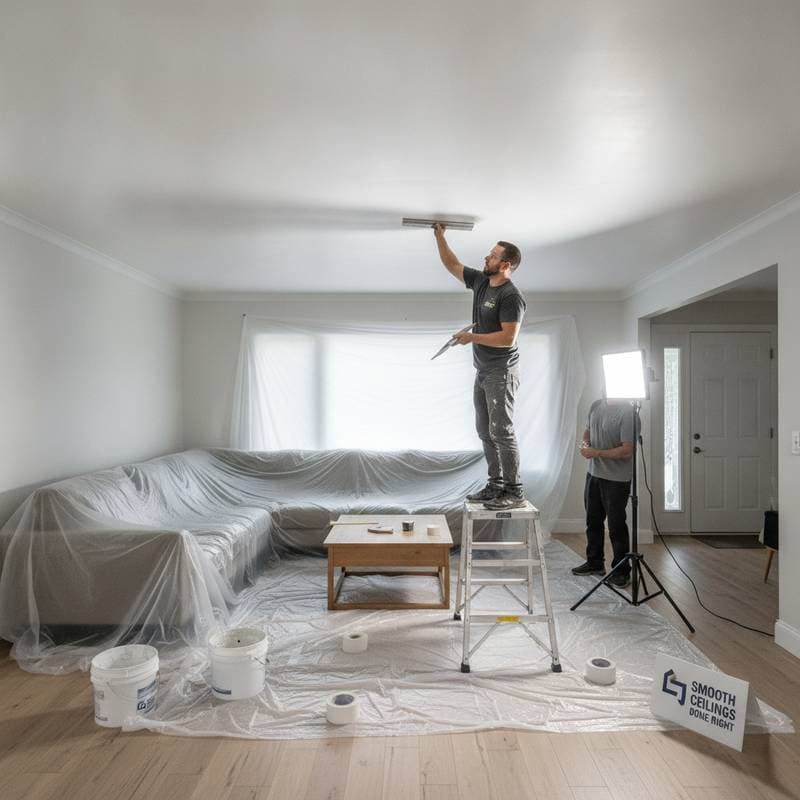
The premium arises from intensified labor demands, additional materials, and meticulous execution. Applying the skim coat demands even coverage and multiple sanding passes to erase all traces of texture. Skilled workers dedicate nearly double the time to achieve this compared to a Level 4 process.
Factors influencing the cost include:
- Room dimensions and height: Expansive surfaces or tall ceilings extend application time.
- Illumination in the space: Harsh or angled light exposes flaws, necessitating greater precision.
- Selected paint sheen: High-gloss options amplify surface defects, heightening the need for flawlessness.
- Substrate quality: Pre-existing irregularities in walls require preparatory work to level the base.
Addressing these elements upfront helps contractors quote accurately and avoids surprises.
Value and Long-Term Benefits
Level 5 delivers a pristine canvas that elevates paint adhesion and visual uniformity. It proves invaluable in environments with intense lighting, like open-concept homes with skylights, where shadows or ridges would otherwise distract. The result withstands scrutiny, maintaining elegance over years.
In terms of property enhancement, this finish contributes to a polished ambiance that attracts discerning buyers. Although appraisers may not quantify it separately, the overall refinement can accelerate sales and justify premium pricing in competitive markets. For long-term owners, it simplifies future repaints by reducing preparation needs.
When Level 5 Drywall Is Worth It
Opt for Level 5 in high-visibility areas where lighting accentuates details, such as kitchens with under-cabinet illumination or living rooms featuring expansive windows. It pairs ideally with semi-gloss or gloss paints in moisture-prone zones like bathrooms, preventing the show-through of joints. Conversely, reserve Level 4 for low-light bedrooms or closets using matte finishes, where the upgrade yields minimal noticeable gains.
Evaluate based on lifestyle: families hosting gatherings benefit from flawless entertaining spaces, while minimalists in subdued interiors might skip it. Consult with painters early to simulate outcomes with lighting mockups, ensuring alignment with design goals.
Money-Saving Tips
Target the upgrade to priority zones, like entryways or dining areas, rather than applying it universally to trim expenses by 30 to 50 percent. Handle preliminary tasks, such as clearing furniture or patching minor cracks, to reduce professional hours billed. Solicit bids from at least three licensed contractors, comparing not just price but also timelines and warranties.
Schedule work during winter months when demand dips, potentially securing discounts of 10 to 20 percent. Explore bundled services, like combining drywall with painting, for volume-based savings. These steps preserve quality while fitting within tighter budgets.
Planning Your Budget
Begin by calculating total square footage across targeted rooms to project baseline costs accurately. Allocate 20 percent extra for contingencies, covering unforeseen repairs or material fluctuations. Prioritize essentials, such as structural fixes, before luxuries like Level 5, to maintain financial balance.
Discuss financing options with contractors, including phased payments for larger projects. Track expenses with a simple spreadsheet, noting quotes and variances to refine future estimates. This structured approach ensures the upgrade enhances value without straining resources.
Frequently Asked Questions
1. What is the main difference between Level 4 and Level 5 drywall?
Level 4 employs standard taping and layered compound for a smooth yet textured base. Level 5 incorporates a comprehensive skim coat to eradicate all variations, yielding a mirror-like uniformity.
2. How much does Level 5 drywall cost per square foot?
Anticipate $2.50 to $3.50 per square foot, encompassing skilled labor, compounds, and sanding tools.
3. Is Level 5 drywall necessary for every room?
It suits spaces with prominent lighting or reflective paints where defects stand out. Standard areas with soft illumination require only Level 4.
4. Can I apply a Level 5 finish myself?
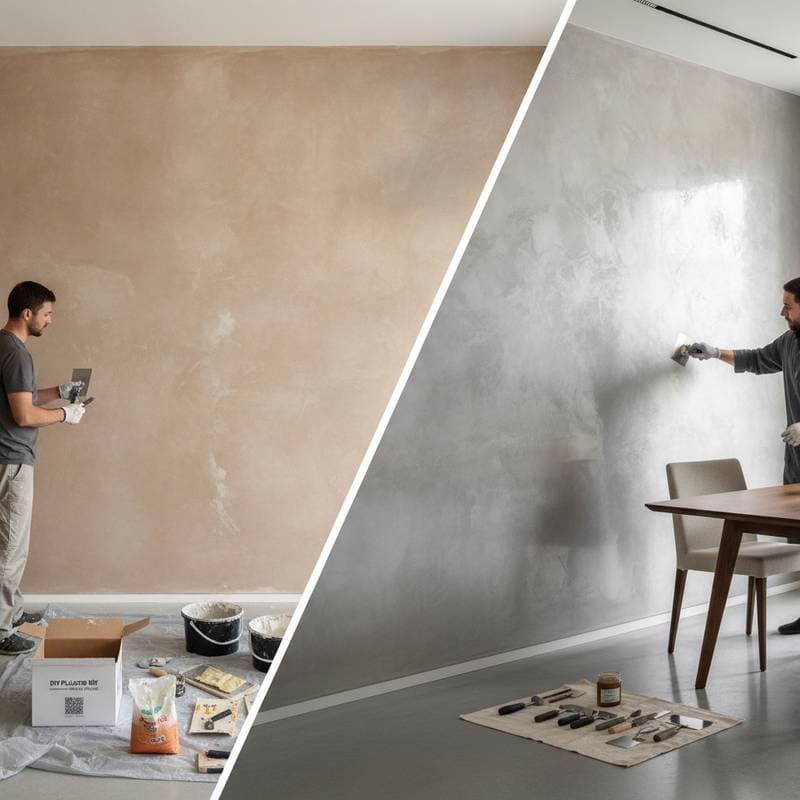
DIY attempts demand specialized tools like wide trowels and dustless sanders, plus practice for evenness. Professionals guarantee consistency that amateurs often struggle to replicate.
5. How can I save money on a Level 5 finish?
Concentrate efforts on focal rooms, assist with site preparation, and compare bids from vetted providers.
6. When is the best time to schedule drywall finishing for lower costs?
Aim for off-season periods, such as late fall, or bundle multiple rooms to leverage economies of scale.