Flat vs Eggshell: 2026's Ultimate Durability Face-Off
Choosing the right paint finish can transform an interior or exterior project from average to exceptional. Among the most debated options are flat and eggshell finishes. Each provides distinct advantages based on the space, lighting, and level of wear. Homeowners gain value from understanding differences in cost, durability, maintenance, and appearance to balance style and practicality.
This guide offers a complete breakdown of flat versus eggshell paint finishes. It includes detailed cost comparisons, performance factors, and real-world applications. Readers will learn how to budget for painting projects and select the finish that delivers the best value for their home.
Factors Affecting Paint Finish Costs
Several variables determine the expense of a painting project. Homeowners plan budgets more accurately by considering these elements.
1. Surface Condition:
Walls with cracks, stains, or uneven textures require repairs and priming before painting. Flat finishes hide imperfections effectively, which reduces preparation time. Eggshell paints, with their slight sheen, highlight flaws and demand smoother surfaces, which increases labor costs.
2. Paint Quality:
Premium paints include more resins and pigments for improved durability and coverage. A high-quality eggshell formula costs nearly twice as much as economy-grade flat paint. Such investments often yield longer-lasting results.
3. Number of Coats:
Flat finishes require additional coats for even coverage, especially in darker colors. This raises both material and labor expenses. Eggshell finishes cover more efficiently with fewer coats.
4. Room Function:
High-traffic areas like hallways, kitchens, and bathrooms benefit from washable finishes such as eggshell. Flat paint suits low-traffic zones including ceilings and adult bedrooms, where cleaning remains minimal.
5. Regional Labor Rates:
Costs for professional painters vary by demand and experience. Urban areas feature higher rates, while suburban or rural locations provide more competitive pricing.
Durability and Maintenance Comparison
Flat Paint Durability
Flat paint features little to no sheen, which masks surface flaws but limits washability. It works well for ceilings or low-contact walls. Heavy scrubbing removes pigment or leaves visible marks, which makes it less suitable for busy households. Over time, flat paint demands more frequent touch-ups.
Eggshell Paint Durability
Eggshell finish provides a subtle luster. Binders in the formula enhance resistance to moisture and abrasion. This quality suits living rooms, dining areas, and children's bedrooms. Eggshell withstands gentle cleaning without losing its finish, which simplifies maintenance.
Maintenance Frequency
| Area | Recommended Finish | Typical Maintenance |
|---|---|---|
| Ceilings | Flat | Minimal cleaning, occasional touch-ups |
| Bedrooms | Flat or Eggshell | Touch-ups every few years |
| Living Rooms | Eggshell | Regular dusting, occasional cleaning |
| Kitchens & Bathrooms | Eggshell | Wipeable surfaces, moisture resistance |
Homeowners seeking long-term finishes with fewer repainting cycles often choose eggshell. Those who prioritize smooth appearance and lower upfront costs may select flat.
Cost and Value Relationship
Value depends on priorities when evaluating both finishes.
- Flat Paint Value: Lower material costs, superior flaw coverage, ideal for ceilings and low-use areas.
- Eggshell Paint Value: Greater durability, simpler cleaning, extended repaint cycles that save money over time.
A homeowner who repaints every few years finds flat paint more economical. Individuals aiming for longer intervals between projects benefit from eggshell resilience. The total cost per year of service favors eggshell when accounting for reduced maintenance.
Professional vs DIY Painting Costs
Professional Painting
Hiring professionals involves higher upfront costs but guarantees consistent coverage, proper preparation, and durable results. Painters charge by the square foot or hour. For a medium-sized room, expect costs between $900 and $1,600, which covers paint, labor, and basic preparation.
DIY Painting
A DIY approach eliminates labor fees but requires time and risks rework from errors. Materials like rollers, brushes, tape, and drop cloths add $100 to $200. A homeowner painting a medium room spends around $250 to $500 on materials.
Quality Expectations
Professionals deliver smoother finishes and consistent color. DIY outcomes vary by skill and patience. Eggshell requires precise technique to prevent visible roller marks, whereas flat paint forgives beginner errors.
Getting Started with Your Project
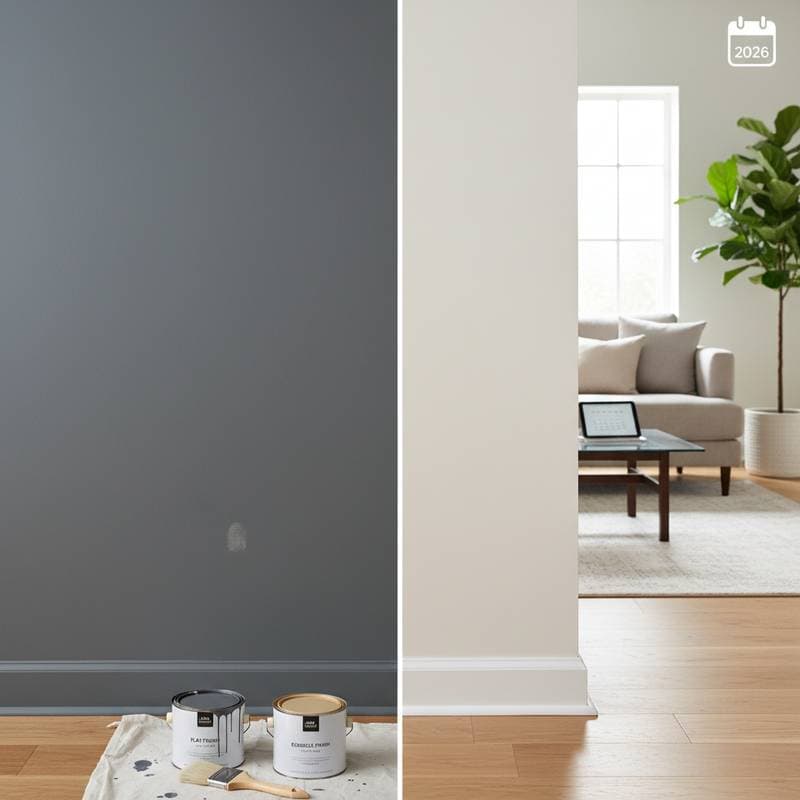
Test small swatches of flat and eggshell on walls under natural and artificial light before deciding. Observe how each reflects light and complements furniture and flooring. Consult a painting professional to assess surface conditions and recommend products.
Many homeowners adopt a combination approach: flat for ceilings and low-contact walls, eggshell for living areas and hallways. This method maintains visual harmony while maximizing durability.
A well-considered choice extends the life of the paint job, enhances home aesthetics, and safeguards the investment.
Frequently Asked Questions
1. What is the average cost difference between flat and eggshell paint?
Flat paint costs between $25 and $60 per gallon. Eggshell ranges from $30 to $70. The total project difference amounts to $50 to $150 more for eggshell, based on room size and paint quality.
2. What factors have the biggest impact on paint finish costs?
Surface preparation, paint quality, number of coats, and labor rates affect costs most significantly. Eggshell demands smoother surfaces for preparation, while flat may require extra coats for even coverage.
3. How can I save money on painting without sacrificing quality?
Perform preparation work personally, buy paint during sales, and select mid-range brands with strong coverage. Limit color changes and paint multiple rooms together to lower per-room expenses.
4. Should I hire professionals or attempt this as a DIY project?
Professionals provide consistent, durable results with minimal imperfections, particularly for eggshell that reveals roller marks. DIY saves money for those with time and patience, though it may demand additional coats and careful application.
5. How do I budget for unexpected costs in a painting project?
Allocate 10 to 15 percent of the budget as a contingency for extra paint, repairs, or additional labor. Surface damage or color adjustments can elevate expenses quickly.
6. When is the best time to start a painting project for the lowest costs?
Late winter or early spring sees lower contractor demand and flexible scheduling. Painters often provide better pricing during these periods, which allows savings alongside quality work.
Selecting the Ideal Finish for Lasting Results
By grasping the cost structure, performance traits, and maintenance requirements of flat and eggshell finishes, homeowners choose the optimal balance of appearance, durability, and value. This knowledge supports informed decisions for painting projects that enhance homes efficiently.