Dopamine Colors: Accelerating Home Sales in 2026
Homeowners preparing to sell often prioritize staging, curb appeal, and pricing. Color choice exerts a profound influence on buyer attraction speed. Dopamine colors, vibrant shades that evoke joy and energy, reshape interior design and real estate strategies by engaging emotional responses. These hues infuse spaces with vitality, distinguishing listings in crowded markets. Sellers who apply these colors thoughtfully elevate buyer interest and property value.
Defining Dopamine Colors
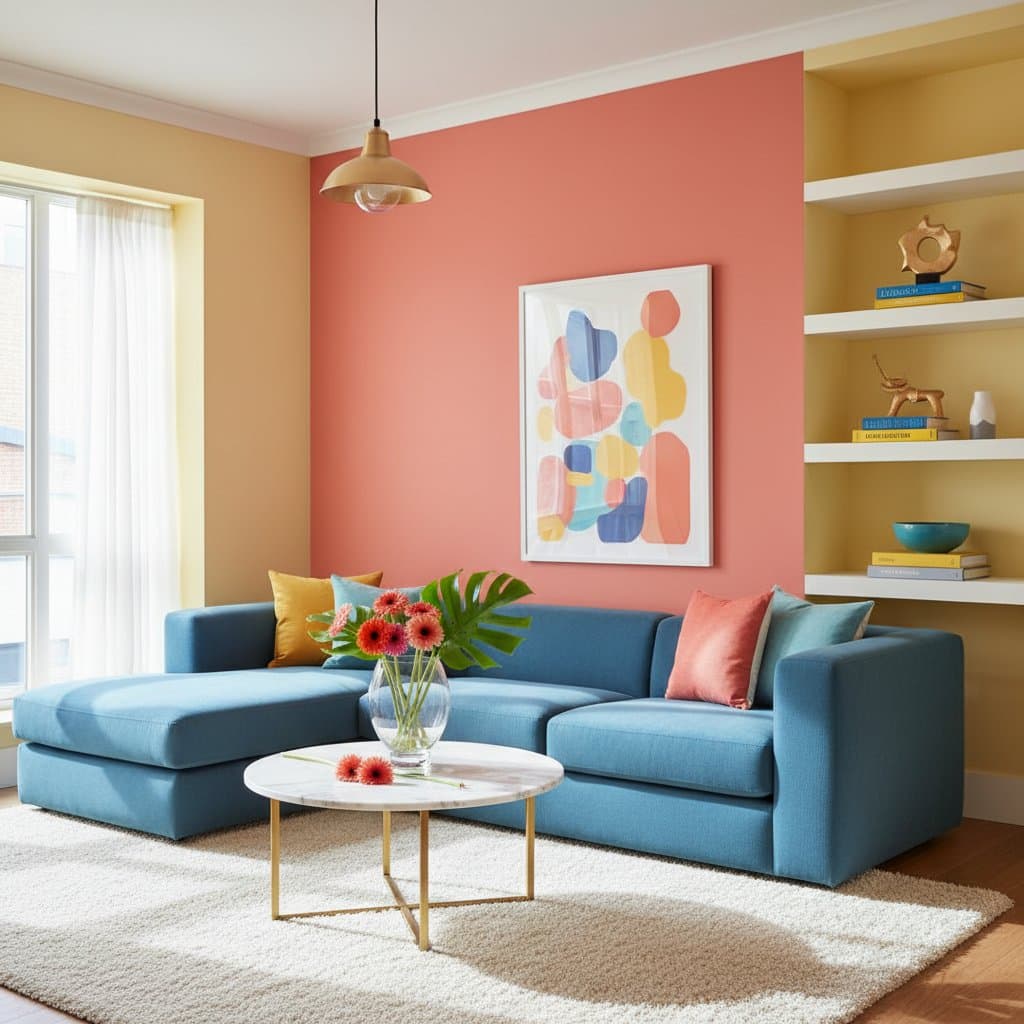
Dopamine colors encompass shades that spark happiness, excitement, and ease. Examples include vivid yellows, coral pinks, deep blues, and lively greens. Rooted in color psychology, these tones activate the brain's reward pathways, fostering uplifting emotions. In home decor, they generate inviting, dynamic environments.
Neutral schemes once prevailed in staging, yet contemporary buyers seek personality and warmth. A curated dopamine palette renders a home distinctive without intimidation. Introduce these accents sparingly to sustain broad appeal.
Psychological Foundations of Color Influence
Colors shape mood and spatial perception beyond surface level. Select shades expand room dimensions, amplify brightness, or unify elements. Dopamine colors stimulate neural pleasure zones, yielding favorable initial views during tours.
Soft coral warms a subdued living area. Sky blue expands a bedroom's serenity. Sunny yellow accents invigorate a kitchen, projecting optimism. Such subconscious signals aid buyers in envisioning contented residency.
Impact on Buyer Behavior
Agents note that buyers form opinions moments after entry. Visual cues dominate these assessments. Energetic, warm tones suggest recent updates, implying meticulous upkeep and superior condition.
Faded or dated colors undermine even pristine properties, evoking neglect. A new layer of dopamine-infused paint revitalizes interiors cost-effectively, bypassing major overhauls. This uplift prompts extended viewing times, fostering prompt bids.
Project Cost Analysis
Typical Price Ranges
- Basic interior refresh: $1,500 to $3,000
- Repaint with accent features: $3,000 to $6,000
- Comprehensive home transformation: $6,000 to $12,000
Standard Inclusions
- Expert preparation, priming, and application
- Mid- to high-grade paints
- Basic repairs and texture corrections
- Dual coats for uniform results
- Post-project cleanup and refinements
Additional Expenses
- Color advice or design input: $200 to $800
- Advanced textures or metallics: $1 to $3 per square foot
- Exterior or trim work: $2,000 to $8,000 by scale
- Extensive fixes or surface stripping: $500 to $2,000
Cost Variables
| Factor | Influence on Price | Specifics |
|---|---|---|
| Property Scale | Substantial rise | Greater area demands more supplies |
| Material Grade | Moderate uptick | Superior options ensure longevity |
| Hue Boldness | Minor adjustment | Vivid shades need additional layers |
| Preparation Needs | Fluctuating | Damage or residue extends labor |
| Local Wages | Steady increase | City rates exceed rural ones |
Selecting an Optimal Palette
Balance defines effective dopamine application. Assess lighting, architecture, and fixtures for harmony. Engage a skilled painter to pinpoint enhancing shades.
Common Spaces
In communal areas, gentle tangerine or light aqua energizes without intrusion. These integrate seamlessly with neutral textiles and wood elements.
Culinary Zones
Opt for buttery yellows, fresh mints, or subtle corals in kitchens. Such selections promote hygiene and cheer. White accents preserve openness.
Sleeping Quarters
Muted blues or rose pinks deliver tranquil modernity in bedrooms. These foster relaxation, appealing to prospective occupants.
Bathing Areas
Apply powder blue, sea green, or lavender highlights to enlarge bathrooms visually. Sharp white borders reinforce purity.
Expert Assistance Versus Self-Execution
Weekend painting appears straightforward, yet flawless outcomes demand expertise. Errors in blending or priming diminish impact. For sales acceleration, professional intervention yields reliability.
Hiring Specialists
Licensed teams guarantee even application and thorough groundwork. They navigate undertones and illumination nuances, averting discrepancies. Durable materials and techniques satisfy discerning buyers.
Independent Attempts
Self-directed work cuts labor fees but prolongs efforts. Factor in tool acquisition, detailing, and restoration. Suitable for isolated highlights, yet comprehensive revisions favor pros.
Project Preparation Steps
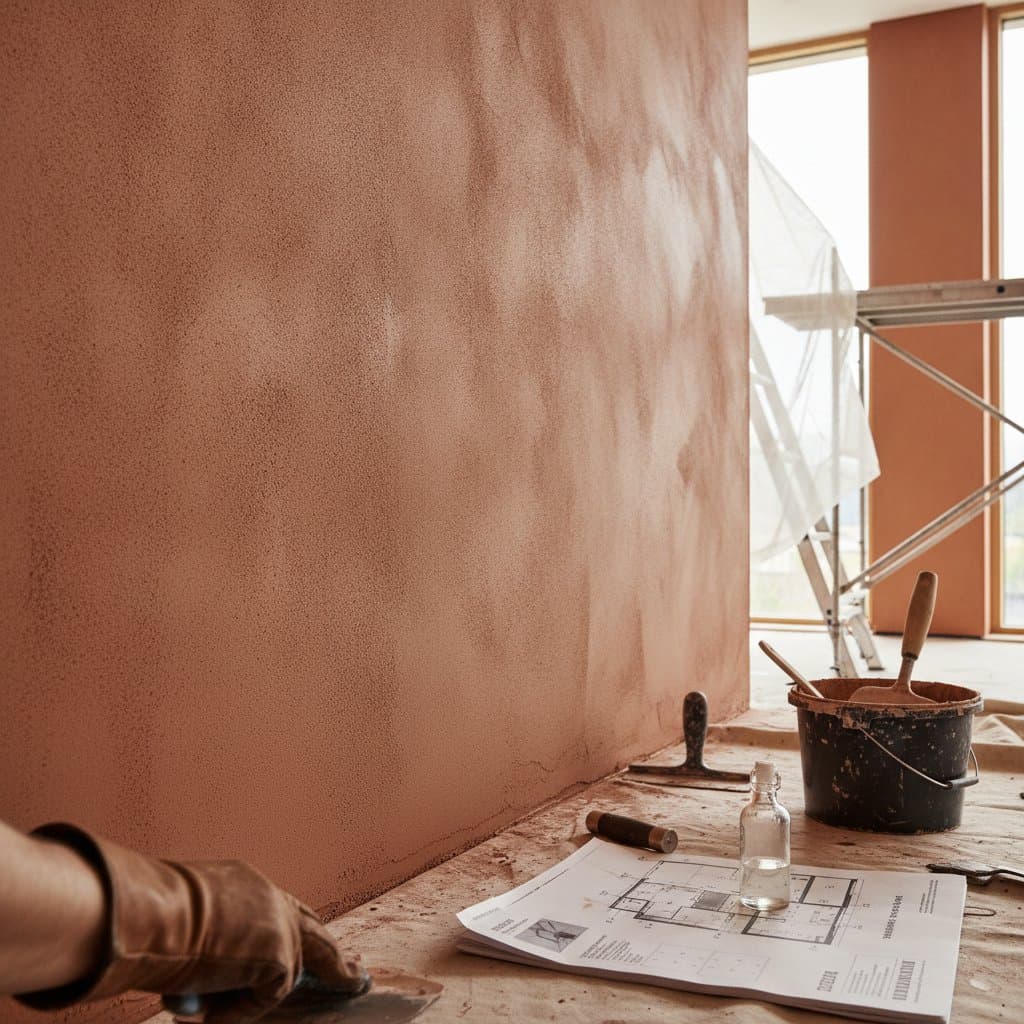
Clear clutter and sanitize surfaces prior to commencement. Residue impairs bonding. Shield flooring, detach fixtures, and reposition items. Coordinate timelines to limit inconvenience; sequential room treatment preserves usability.
Initiate painting early for swift listings. Allow curing periods before furnishing or imaging. Strategic scheduling yields impeccable presentation.
Timeline and Expectation Management
Scope and dimensions dictate duration. Standard interiors require three to seven days. Expansive or intricate designs extend to fourteen. Allocate buffer for consultations, trials, and curing; climate affects exteriors.
Foster dialogue with crews for alignment. Secure documented phases covering preparation, execution, and finalization. This clarity supports seamless transitions to marketing.
Amplifying Value Through Cohesive Design
Extend dopamine principles to accessories for unified appeal. Align pillows, artwork, and fixtures tonally. Fluid transitions between areas convey thoughtful curation, elevating esteem.
Subtle enhancements, like a coral entry door, imprint positively. Paired with pristine moldings and fixtures, they project stewardship, spurring decisive purchases.
Steering Clear of Pitfalls
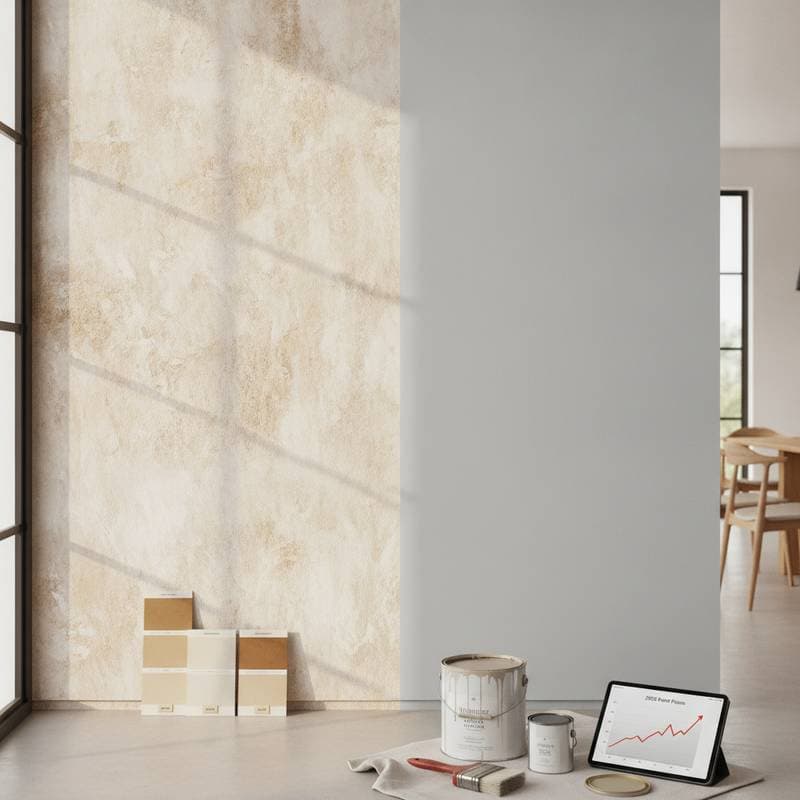
Creativity thrives within limits; excess vibrancy breeds disorder. Confine intensity to select zones, offsetting with subdued bases. Sample in diverse lights to confirm suitability.
Disjointed schemes fracture cohesion. Limit to three to four harmonious options. Consultants supply previews for informed choices.
Executing a Successful Update
Commence with priority zones: entrances, lounges, and galleys yield maximal gains. Set budgetary bounds, then solicit bids from three firms. Evaluate components, products, and assurances.
Verify credentials and review portfolios showcasing bold executions. Formalize agreements detailing schedules, installments, and guarantees. Monitor advancements, ensuring fidelity to vision. Post-completion, evaluate under varied illuminations for perfection.
Common Queries
Pricing for Dopamine Color Applications?
Interior overhauls average $3,000 to $6,000. Variables include dimensions, grades, and intensities. Vivid applications may necessitate surplus layers; elite formulas enhance appeal and endurance.
Duration of Complete Interior Work?
Three to seven days suffice for typical residences, encompassing all stages. Ambitious endeavors reach two weeks. Advance planning aligns with listing readiness.
Self-Painting or Professional?
Suitable for minor accents, self-efforts economize. Whole-home endeavors demand experts for precision and pace, optimizing market positioning.
Palette Selection Guidance?
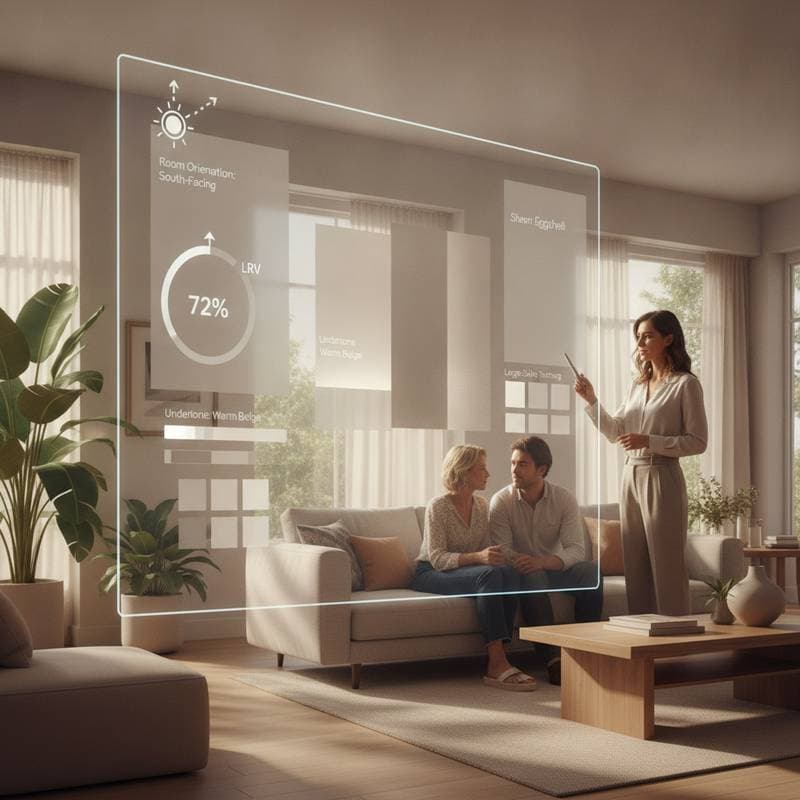
Consider illumination and substrates. Solar exposures favor corals; shaded ones suit teals. Experts trial variants across conditions for tailored results.
Process Overview?
Initiate with cleansing, mending, and basing. Follow with layered coatings amid protections. Conclude with sanitation and adjustments for excellence.
Challenges with Vibrant Tones?
Overapplication fatigues viewers; discord jars transitions. Preemptive sampling and guidance secure equilibrium.
Dopamine colors infuse vitality and allure, spotlighting assets while forging bonds. Professional orchestration leverages psychology for transformed perceptions. Thoughtful execution crafts spaces that captivate and convert swiftly.